
Netflix Secures Warner Bros. Discovery in Competitive Bid and Begins Talks for Exclusive Partnership
Netflix Makes Bid for Warner Bros. Discovery, Potentially Reshaping Entertainment Landscape
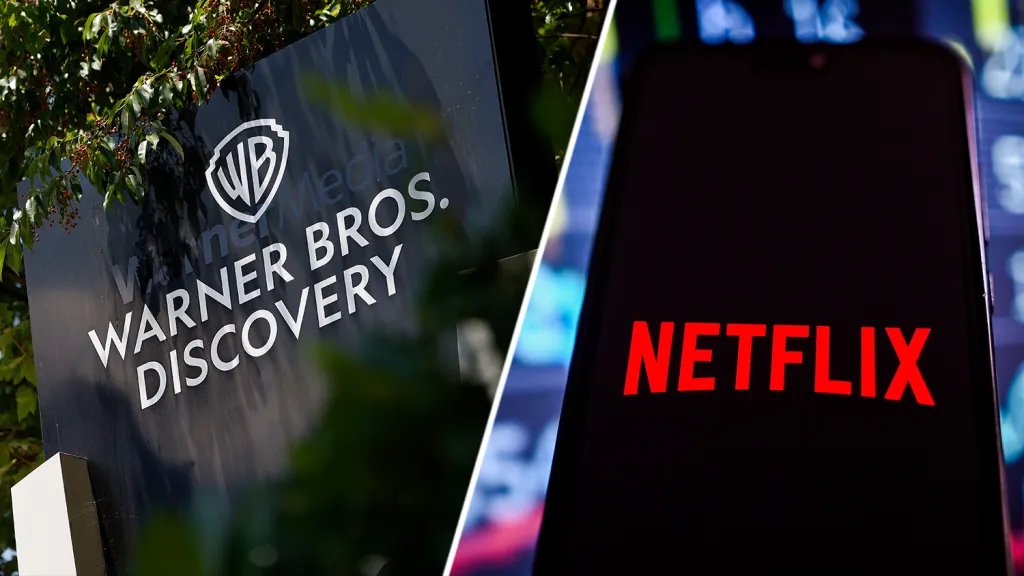
Netflix has offered approximately $28 per share for Warner Bros. Discovery (WBD), primarily in cash, according to sources familiar with the negotiations. This bid represents a significant development in a rapidly evolving auction process that has the potential to dramatically alter the entertainment industry.
In October, WBD announced it would explore sale options after receiving three consecutive offers from Paramount. The company aims to finalize a deal by mid to late December. The proposed acquisition would include Warner Bros. Studios and HBO Max’s streaming assets. In contrast, Paramount’s offer is for the entirety of WBD. Bloomberg reports that Netflix has also proposed a $5 billion breakup fee should the deal fail to close. Comcast has entered the fray, bidding for both the studio and streaming businesses as well.
Paramount has contended that it is the only bidder with a clear path to completion, citing concerns about regulatory scrutiny facing both Netflix and Comcast. In a letter to WBD, Paramount emphasized potential antitrust issues if Netflix were to acquire HBO Max, given its position as the leading streaming service in the U.S. and globally.
Moreover, Paramount has criticized the sale process as "unfair and tilted" towards Netflix. In response, WBD asserted that its board is fulfilling its fiduciary responsibilities with the utmost diligence. Paramount’s letter also hinted at possible conflicts of interest involving WBD’s management, particularly with CEO David Zaslav. Paramount offered Zaslav a role if a merger took place, raising questions about the motivations behind the sale process.
Feelings of animosity have surfaced between the two parties as the negotiations continue. It remains uncertain what role Zaslav would play in the event of a Netflix-WBD merger.
In the market, WBD shares rose nearly 6% to $26, reaching a 52-week high and nearly quadrupling from a low of $7.50 earlier this year. The stock had been sluggish since Discovery acquired WarnerMedia in April 2022 but surged in response to the takeover interest.
All three bidders are prepared to pay substantial premiums to the stock’s pre-merger price, according to Bank of America analyst Jessica Reif Erlich. She noted that these offers reflect a desire to eliminate competition, gain control over valuable franchises, and tap into the synergies of one of the world’s most significant content libraries, labeling Warner Bros. Studio a "crown jewel."
Erlich emphasized the potential impact of this deal on Netflix, which historically has prioritized organic growth over acquisitions. Despite leading the streaming market in subscribers, Netflix has been criticized for lacking a deep library of intellectual property (IP) assets—an area where other media companies excel.
Acquiring titles such as DC Comics and the Harry Potter franchise would significantly bolster Netflix’s IP portfolio, enabling broader applications in theme parks, merchandise, and related experiences. Additionally, it would provide production capacity and prestige, which could enhance talent recruitment.
WBD’s original plan for separation included the Warner Bros. studios and streaming business, which comprises various entities such as Warner Bros. Television, Warner Bros. Motion Picture Group, DC Studios, HBO, and HBO Max. However, the Global Networks business, which encompasses channels like CNN and TNT Sports, is less likely to be included in any Netflix deal.
If the acquisition proceeds, Netflix would gain a global theatrical distribution network and an expansive library featuring titles from DC Studios, HBO, and others. Still, there is concern within the film community about how a Warner-Netflix merger could affect the industry’s landscape. Netflix has indicated it would uphold Warner Bros.’ theatrical commitments, yet the company has long emphasized its primary focus on streaming subscribers.
As a point of contention, Netflix currently prefers a 17-day exclusive theatrical window for its films, while AMC has been lobbying for a 45-day window. This disagreement has hindered the release of Netflix’s award contenders in major circuits, with recent films failing to be screened in top theaters.
In conclusion, the negotiation dynamics surrounding WBD’s potential sale highlight complex relationships and regulatory challenges in the evolving media landscape.
Anthony D’Alessandro contributed to this report.