
Filmmaker Aleksander Molochnikov on Capturing Authentic Stories in a Russian Activist’s Journey
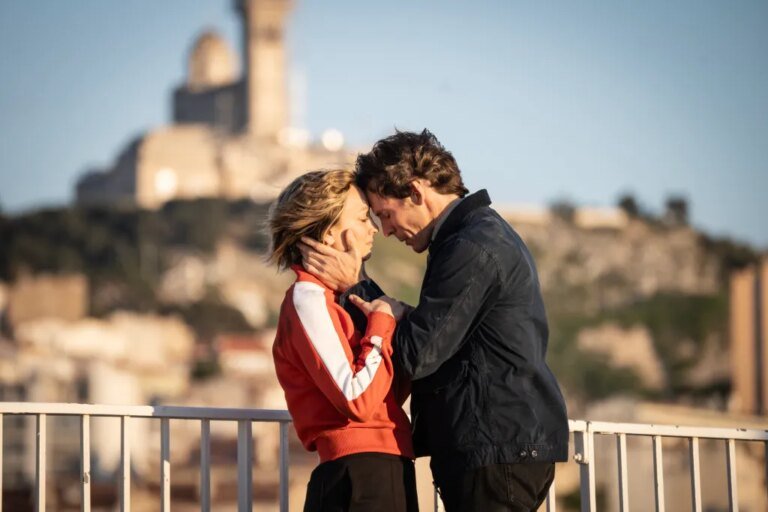
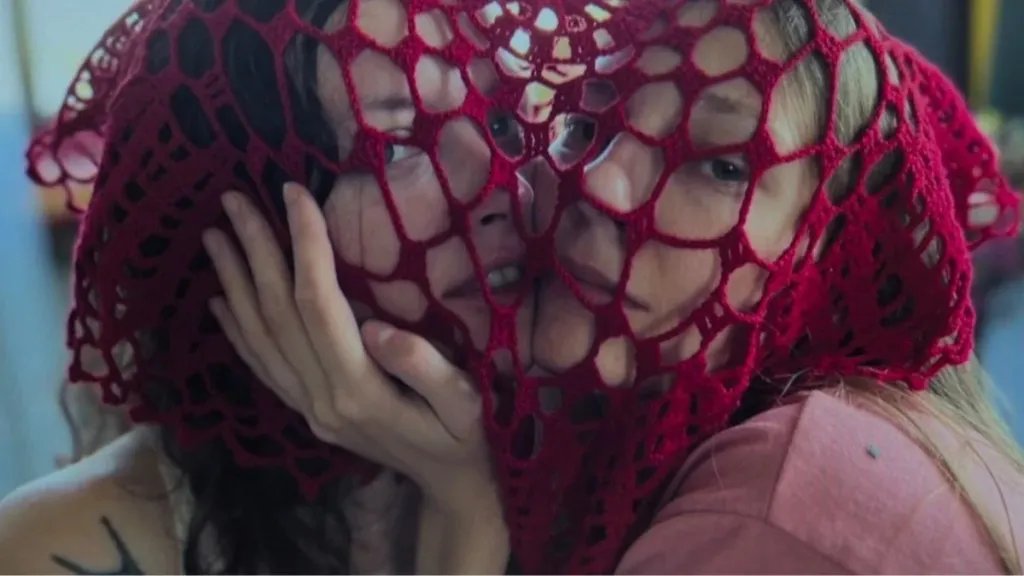
The price of freedom can be high, a sentiment echoed in the work of Russian filmmaker Aleksander Molochnikov. His award-winning short film, Extremist, supported by Ben Stiller and John Lesher, captures the story of a woman who courageously paid that price. The film reflects on the harsh realities of activism in the face of an authoritarian regime, focusing on Sasha Skochilenko, a Russian artist sentenced to seven years in prison for replacing grocery store price tags with anti-war messages related to the 2022 Russian invasion of Ukraine.
Molochnikov’s decision to tell this story carries personal significance. The film was shot in Latvia, allowing the crew to avoid potential arrest. Known as a talented young director in Russia, Molochnikov faced a career setback after publicly condemning the war in Ukraine. Following a brief incarceration and escalating threats to his safety, he relocated to the U.S. and graduated from Columbia University’s directing program in 2025. Since then, Extremist has premiered at the 2025 Telluride Film Festival, won two BAFTA Student Film Awards, and earned a place on the Oscars shortlist for 2026.
Watch on Deadline
DEADLINE: What led you to make Sasha Skochilenko’s jail sentence into a short film?
ALEKSANDR MOLOCHNIKOV: In 2022, I was in the process of launching a TV show I had prepared for two years. When the war started, I began reading news articles about absurd arrests. Sasha’s case stood out for its artistic originality—her price tag alterations were a striking act of defiance. Later, upon learning of her seven-year sentence, I felt immense admiration for her courage; I had escaped, yet she remained my hero.
After her sentencing, I began to think about creating a film. I immersed myself in articles detailing Sasha’s life with her girlfriend, Sonya [Subbotina], and the elderly neighbor who reported her actions. This led me to explore the moral dilemmas surrounding Sasha’s decision: should she admit guilt or stay true to her beliefs? I found it an engaging premise for a short film.
DEADLINE: Talk about your collaboration with Sasha to make this movie.
MOLOCHNIKOV: While Sasha was in prison and her girlfriend was in St. Petersburg, I communicated through Sonya, sharing the initial script draft. After some time, they provided feedback, noting it didn’t perfectly reflect reality but encouraged me to embrace my artistic vision. This created a framework for a narrative inspired by actual events rather than a strict reenactment.
DEADLINE:Was there fear in covering this topic?
MOLOCHNIKOV: Personally, I felt no fear since I had already left Russia, where the risks of arrest were significant. My only concern was how this project might negatively impact Sasha’s sentence. However, with their support for the film’s concept, I felt empowered to proceed without fear.
DEADLINE:Outside of the war with Ukraine, what were the most challenging themes for you?
MOLOCHNIKOV: One challenge was condensing this complex story into 17 minutes without losing impact. We aimed to engage viewers while remaining truthful to real events, requiring us to recreate Russia’s essence while filming in Latvia. We consulted with political activists and LGBTQ individuals in Russia to grasp their experiences authentically. Our cast also immersed themselves in character studies, enhancing the film’s intensity.
A significant asset was our personal connection to the story, as many in the cast and crew opposed Russia’s current regime. My fleeting experience with incarceration shaped our understanding of the oppressive environment. To authentically portray prison life, we even filmed with actual prisoners in Latvia, ensuring the realism of the setting.
DEADLINE:You’ve won two BAFTA Student Awards, the New Yorker acquired your short, and now you’re on the 2026 Oscars shortlist. What do you hope viewers take away from this?
MOLOCHNIKOV: I hope viewers contemplate their responses in difficult situations: will they uphold their beliefs and risk their freedom or yield to systemic pressure? Before the war, there was a semblance of freedom that has drastically changed. It’s critical for everyone to prepare for making tough choices when they arise. While only a few can act heroically like Sasha, we should recognize and draw inspiration from those who courageously stand for their convictions.
[This interview has been edited for length and clarity]
Watch Extremist on the New Yorker