Sheep In The Box Review: A Heartfelt Look at Loss Through Hirokazu Koreeda’s Fairy Tale Lens at Cannes Film Festival
In his latest film, *Sheep In The Box*, acclaimed director Hirokazu Koreeda delves deep into the poignant question of who the deceased truly belong to. This extraordinary work showcases Koreeda’s trademark reflective style and features compelling performances, including a standout portrayal by newcomer Kuwaki Rumi. The film presents a delicate yet profound exploration of grief, confronting death in an unconventional and ultimately cathartic manner. While family dynamics remain a central theme, the plot’s fantastical elements draw more parallels to Koreeda’s earlier work, particularly the 1998 film *After Life*, rather than his more recent films such as *Shoplifters* and *Monster*.
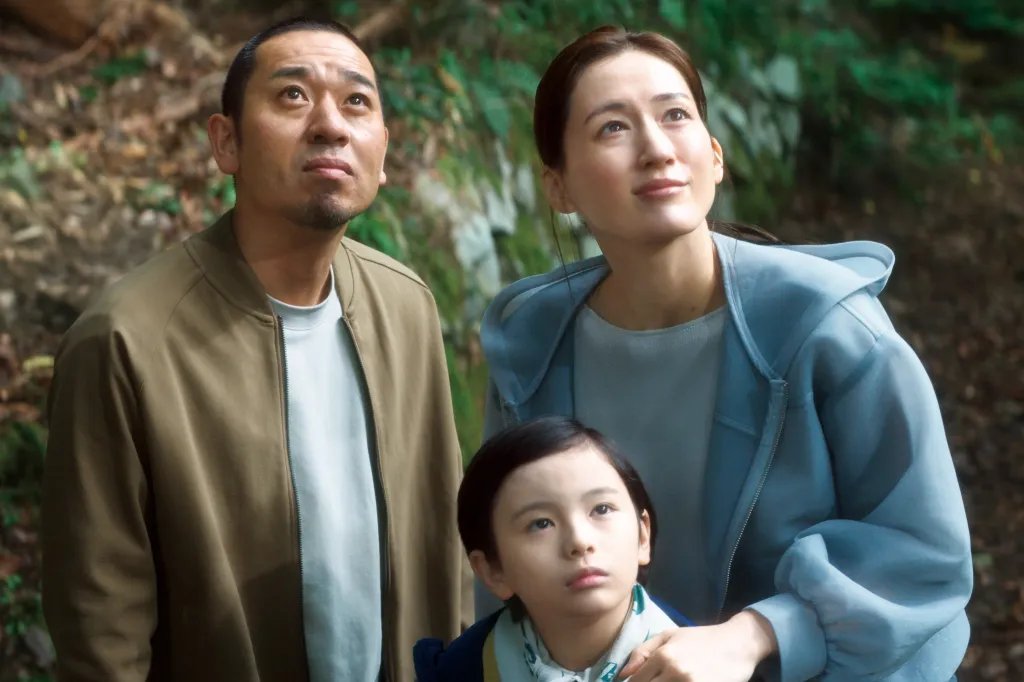
Set in the “not-too-distant future,” the story introduces Otone Komoto (Haruka Ayase), an artist and architect residing in an upscale waterside suburb with her husband Kensuke (Daigo), a carpenter. A package of art supplies arrives via drone, accompanied by an invitation from a company named REBirth, adorned with the message, “Don’t forget me.” The couple grapples with the loss of their seven-year-old son Kakeru, who died in a tragic accident two years earlier, while a missing family cat only adds to their emotional burden. Despite the turmoil, Otone remains focused on her latest project: designing a custom home for a demanding couple.
Watch on Deadline
REBirth reaches out to the Komotos with a unique offer tailored for those grieving lost loved ones—“A complimentary rental of our latest edition humanoid.” While Kensuke expresses skepticism about the company’s intentions, dubbing them “hyenas” preying on misfortune, Otone is intrigued and insists on learning more. The couple visits REBirth’s sleek modern offices, where they are presented with polished promotional material highlighting the firm’s advanced fusion of AI and robotics.
The company’s pitch proves to be compelling, particularly when Otone encounters one of their humanoid robots—specifically designed to resemble a child—during a visit to the cafeteria. “Could you tell?” she asks Kensuke, her eyes wide with wonderment. Having trouble distinguishing the robot from a real child, she is soon inspired to dig through family memories, preparing for Kakeru’s return. Days later, a van arrives with Kakeru inside, dressed in the clothes Otone selected. “I’m home,” he announces, leaving Otone overwhelmed with emotion.
Kakeru’s arrival is handled with sensitivity, as Otone navigates the intricacies of taking care of him, including setting his intelligence level to that of a seven-year-old and managing his battery. While Otone is captivated by the technology, Kensuke remains distant, dismissing the humanoid with disdain, calling it “a Tamagotchi” and “a Roomba.” This creates a subtle conflict echoing the works of Ozu, where the optimistic Otone enthusiastically embraces the change, while Kensuke remains hesitant. However, as time progresses, it becomes evident that acceptance is inevitable.
Koreeda’s exploration of the themes surrounding an AI child pivots from the typical “bad seed” narrative. Instead, he embraces the idea that Kakeru could positively influence the lives of the Komotos, particularly for Kensuke. Ultimately, Koreeda transforms elements of dystopian anxiety into an uplifting fairytale, blending influences from *Pinocchio*, Antoine de Saint-Exupéry’s *The Little Prince*, and biblical narratives, while combining ethereal music from Yuta Bandoh and striking visuals by Ryûto Kondô to weave a tapestry where all characters experience rebirth.
The film stands out for its impressive performances, particularly that of Haruka Ayase, whose portrayal is nothing short of extraordinary, setting high expectations for her future endeavors.
Title: *Sheep In The Box*
Festival: Cannes (Competition)
Director/screenwriter: Hirokazu Koreeda
Cast: Haruka Ayase, Daigo, Kuwaki Rimu
Distributor: Neon
Running time: 2 hrs 6 mins