

Norway’s New Medical Drama: How ‘Still Breathing’ Combines Engaging Stories with Important Themes
Norwegian Medical Drama ‘Still Breathing’ Makes a Significant Debut
The medical drama genre continues to thrive, with shows like The Pitt and The Best Medicine drawing substantial viewership. Recently, Norway introduced a new contender, Still Breathing, which has garnered impressive ratings since its premiere, marking NRK’s highest opening for a drama outside of its festival season offerings.
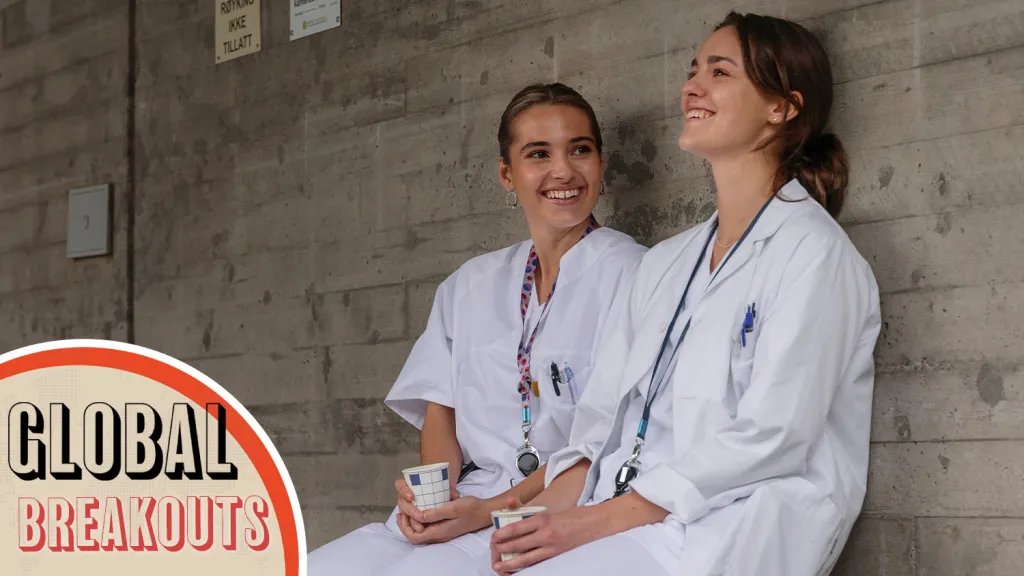
Still Breathing follows a group of young interns at a high-pressure public hospital, illuminating the challenges and moral dilemmas they face in their demanding environment. The series debuted on April 11 and attracted 428,000 viewers—231,000 through the streaming platform NRK TV and 197,000 on NRK1 during its linear broadcast—making it the most-watched opening for a drama on NRK outside of its popular holiday programming.
Marianne Furevold, Head of Drama at NRK, highlighted the series’ aim to resonate with broad societal experiences, particularly its youthful appeal. “Our compass when we go into projects is that they will be entertaining but also strengthen and develop democracy,” she stated. “Hospital drama is perfect for that. It is literally life and death.”
The series centers on Petra, portrayed by Elpida Stojcevska, a 26-year-old idealistic intern working alongside her peers Joakim, Samuel, and Kissy. Together, they navigate the complexities of life in a mid-sized Norwegian hospital, facing long hours and an influx of patients.
Karianne Lund, co-creator of the show, explained the backdrop against which Still Breathing is set. “We started writing this about three years ago, driven by a growing awareness of the pressure points within the public healthcare system,” she said. Lund emphasized the importance of showcasing the perspective of junior doctors, who carry significant responsibilities from their first day on the job.
Produced by Rubicon TV and distributed by DR Sales, Still Breathing has secured support from various public broadcasters, including ZDF in Germany and SVT in Sweden, through the New8 European commissioning club. This collaboration enhances access to international markets, according to Ivar Køhn, CEO of Rubicon. He noted the extensive research required to create an authentic hospital drama, which the Banijay Scripted Fund facilitated during development.
The show’s strong debut justified NRK’s decision to greenlight two seasons before the premiere. “It’s always a bit risky going two seasons because you don’t know how it is going to be embraced, but it felt like a show that would fulfill our strategic needs,” Furevold commented, adding that the audience’s positive response had sparked necessary societal conversations.
With production for Season 2 wrapped and discussions for a third season already in progress, the show’s trajectory appears promising. Køhn remarked on the trend of crafting dramas that reflect recognizable realities, leading to discussions beyond the screen. “These shows invite discussion at workplaces and around dinner tables,” he said, underscoring the social relevance inherent in the content.
The successful launch of Still Breathing comes at a time when the medical drama genre is seeing renewed interest. Following The Pitt’s recent Emmy win for Outstanding Drama Series, audiences have shown a strong appetite for stories that delve into the personal and professional challenges within various institutions. As Lund noted, the success of The Pitt reinforced that audiences are eager for realistic portrayals even in a competitive landscape.