

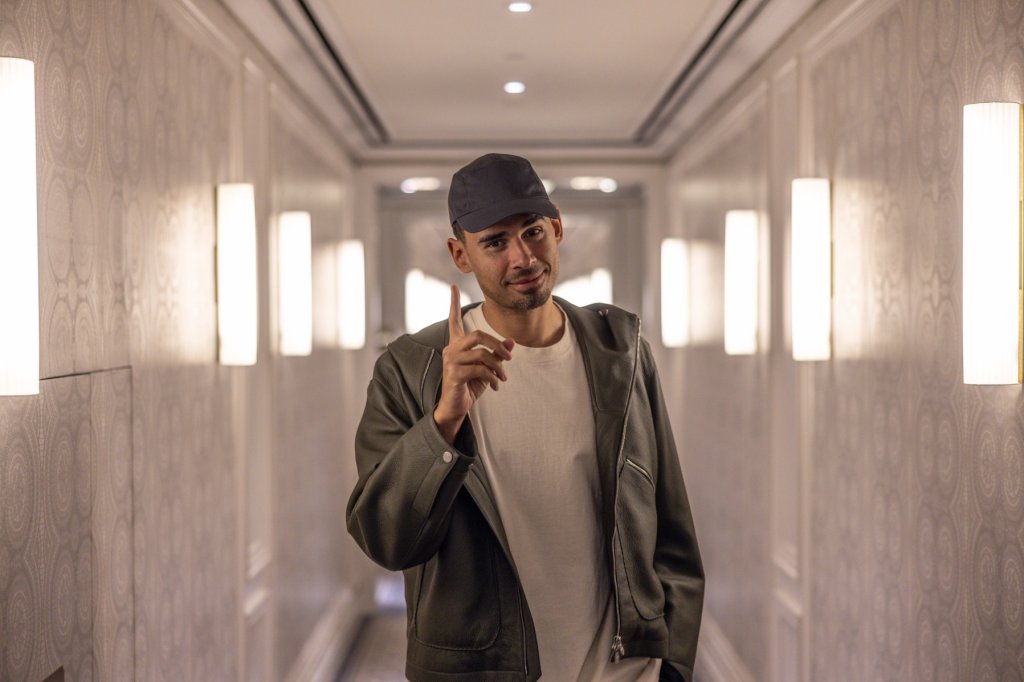
Afrojack Talks About His Kapuchon Alias, the Grammys, and Today’s Evolving DJ Scene
Afrojack Reflects on Artistic Freedom and the Evolution of Dance Music
In mid-2025, Afrojack, the renowned DJ and music producer, experienced a personal revelation. Having been heavily focused on business during the pandemic, Afrojack, whose real name is Nick van de Wall, stated, "I just want to do what I love, and that’s making music purely for the dancefloor and not thinking about commercial appeal or streams."
During this period, Afrojack dedicated himself to crafting new tracks, developing his Wall Recordings label, and performing worldwide. As live events resumed, he found himself preoccupied with the myriad edits required for his shows. By the summer of 2025, he recognized that his business was stable enough to allow him to prioritize artistic exploration.
Afrojack’s musical journey has led him to rediscover the joy of creating underground music. Performing as Kapuchon, he finds satisfaction in anonymity, enjoying the raw connection with the crowd. "They were looking at me like, ‘Is that Afrojack?’" he recalled. “It was just me as a guy playing music, and that was the only form of communication. When I play those records and they hit and I see people’s faces go like, ‘Yeah!,’ that’s my feeling of accomplishment for the year.”
This sense of fulfillment has fueled his upcoming project, the Kapuchon Presents Afrojack Tour, which kicks off in March and will span seven clubs across North America, including venues in Los Angeles, Brooklyn, and Montreal.
Though Afrojack is a staple on grand stages and festivals, he embraces the idea that genre boundaries in dance music are increasingly blurred. "It’s fun to see that we don’t have to be split by genres," he noted. "Everyone can do everything, and I like that."
Afrojack’s perspective on the industry reflects a significant shift away from silos that once defined it. "The nice thing now is to see that DJs and producers don’t feel like this," he explained, praising contemporary artists who are more open to diverse influences.
He pointed out that the competition and elitism often found among fans of different genres can be exhausting. "People that go out identify themselves as certain groups," he said, criticizing this tribalism as unnecessarily divisive.
Despite historical tensions, Afrojack believes the current generation of artists are less constrained by these divisions. He cited legendary figures like Carl Cox, whose long-standing reputation allows them to bridge generational gaps in the industry. "They’ve been around for so long that they can kind of supersede the opinion of the younger generation of DJs," he observed.
On social media’s impact, Afrojack acknowledged both positive and negative effects. While it enhances the connection between artists and fans, it also adds pressure to maintain a personal brand—something he finds distasteful. "I love making music. I love DJing. I hate going on social media," he said, lamenting the time required to navigate promotional demands.
He emphasized the importance of authenticity in an age where social media often overshadows creative output. "If you show your craft enough, it will work. But it’s hard," he conceded, acknowledging that the landscape is competitive.
Reflecting on his career before the rise of social media, he noted his fortunate position and long-term relationships in the industry. "For a new artist right now to break through, oh my god," he remarked, pointing out the elevated expectations placed on emerging talents.
Afrojack highlighted that while some artists gain popularity rapidly, true, lasting success requires authenticity and dedication. He cited contemporaries, including John Summit and Mau P, who have invested years honing their craft and building a genuine rapport with their audiences.
As the Grammy Awards approach, Afrojack expressed his belief that the mainstream recognition of dance artists has not kept pace with their cultural contributions. "We represent DJ and party culture, and that’s not artsy," he noted, acknowledging the existing divide between commercial success and artistic acknowledgment.
Ultimately, Afrojack’s journey underscores the evolving landscape of dance music—a world where creativity flourishes outside traditional confines, inviting artists and audiences alike to explore the limitless potential of sound.


