Explore the Inspiring Journey of a Non-Speaking Autistic Woman in This Documentary Trailer by Marta Kauffman
Emily Grodin’s Journey to Communication Highlighted in Documentary Premiering at San Francisco International Film Festival
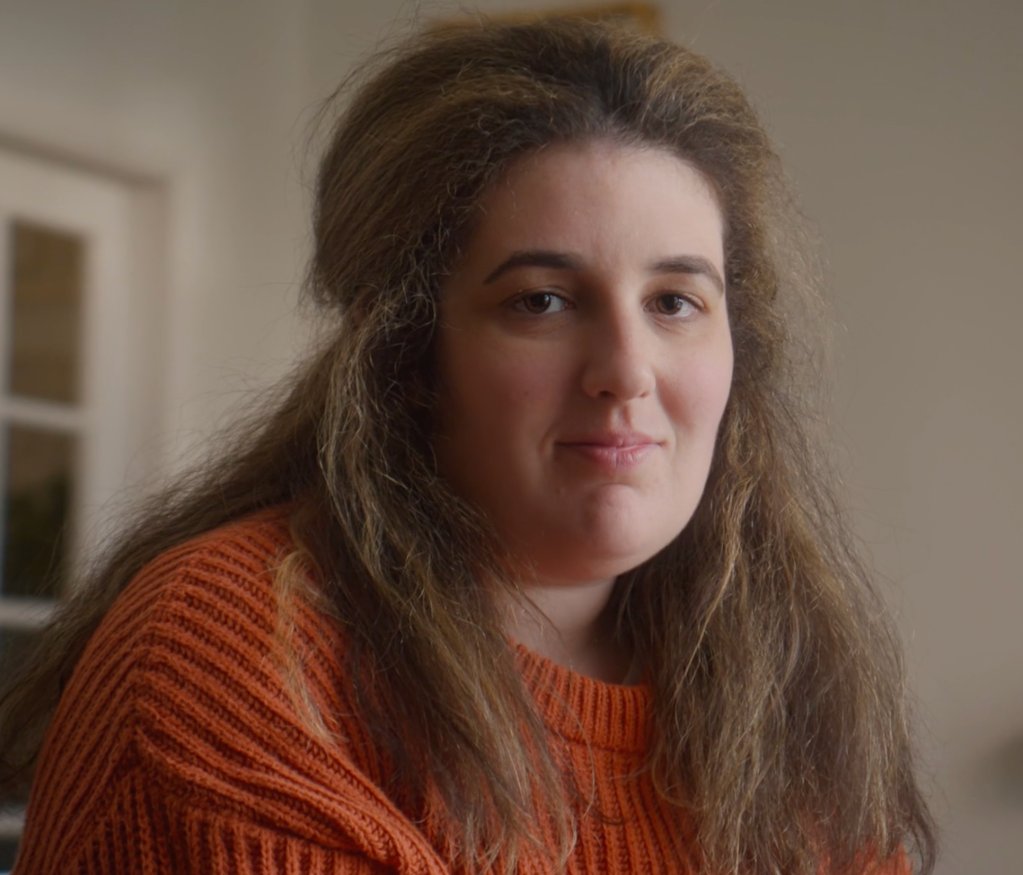
Emily Grodin, a non-speaking autistic woman, has transformed her life through an innovative assistive typing device, revealing a voice that had long been silenced. Her inspiring journey is chronicled in the short documentary Buried Under Years of Dust, which is set to premiere this Friday at the San Francisco International Film Festival.
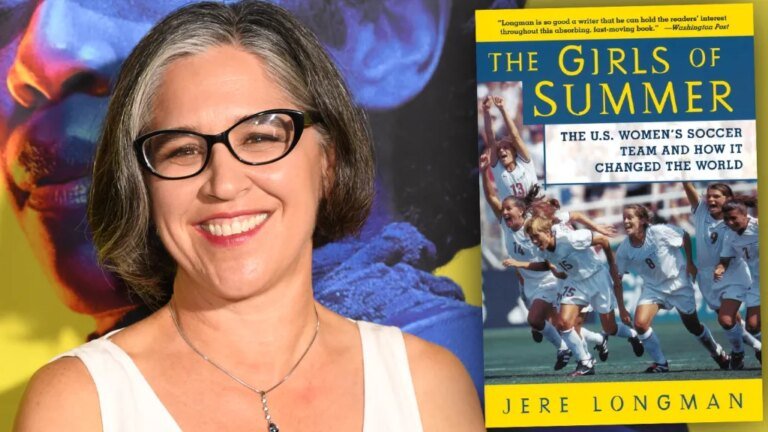
Produced by Marta Kauffman, co-creator of Friends, alongside Robbie Rowe Tollin and Hannah KS Canter of Okay Goodnight, the documentary is directed by Sophie Sartain of Orchard Pictures. Sartain is known for her previous works, including the documentary features Seeing Allred and Mimi and Dona. Emily Grodin also contributes to the writing of the film.
In the documentary’s trailer, Grodin reflects on her early struggles, stating, “When I was very little, I was aware I was different. For 25 years, I was trapped inside a body without a voice.”
A synopsis of the film explains that after enduring decades of unsuccessful therapies, Grodin finally achieves a breakthrough with the assistive-typing method. Her first written words are, “I have been buried under years of dust.” The documentary aims to showcase her rich inner life and creativity through her own insights and writing.
Scheduled to air in the next season of Independent Lens, a long-standing PBS series, Buried Under Years of Dust is adapted from a memoir authored by Grodin and her mother, Valerie Gilpeer.
Gilpeer expressed in an interview with Spectrum Life magazine, “The memoir was a way of shining a light on Emily. The story of our life is the back story to how she emerged as a writer. Mostly, I wanted to share her words with the world ‒ her insights and observations, and experiences.” She emphasized the importance of learning from individuals with autism directly rather than through processed insights from professionals.
Grodin furthers this sentiment, stating, “[C]ommunication comes in many forms. Verbal communication does not have to be the goal if something else works better. But I will also say this. I did not know how typing would change my life. Don’t let yourself fall into being content being silent. Find whatever it is that works best for you.”
As the world awaits the documentary’s debut, Grodin’s story serves as a powerful reminder of the possibilities that can arise when communication barriers are overcome.