
YouTube Creators Are Shaping the Future of Entertainment, Ditching Traditional Media
Kareem Rahma Ventures into Independent YouTube Series
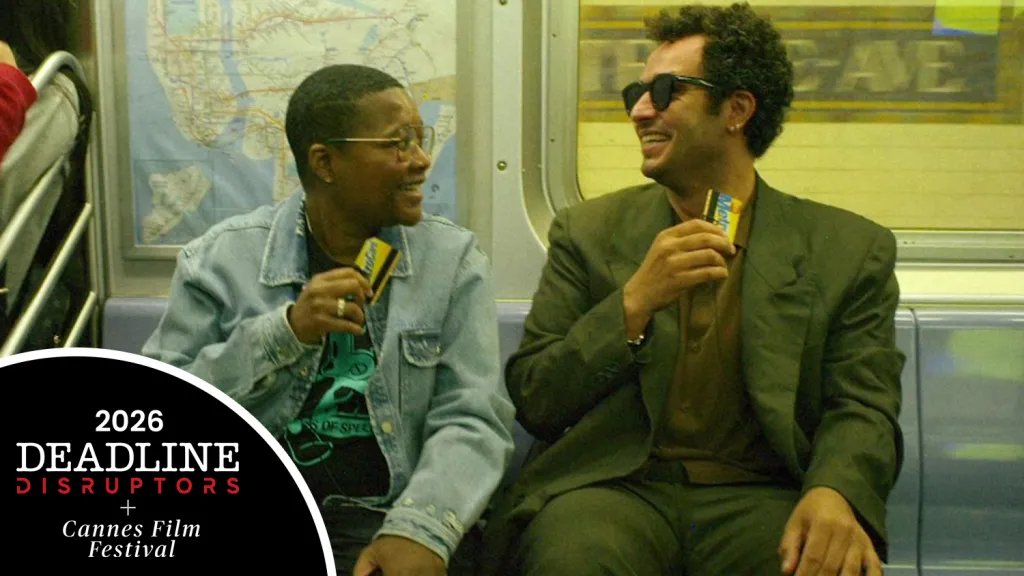
Kareem Rahma is taking charge of his creative future after a frustrating experience with CNN regarding his show, Keep the Meter Running. The series, which features Rahma asking New York cab drivers about their favorite destinations, has been in development limbo for three years without any sign of moving forward.
“I did the whole rigmarole with television, and it was a disaster,” Rahma stated. “I don’t want to wait anymore. I walked away from the deal and decided to do it independently on YouTube.”
Rahma is seizing the opportunity to launch a long-form version of Keep the Meter Running at YouTube’s upcoming Brandcast Upfront. The new series will consist of nine episodes filmed in New York City and one episode outside the country. Rahma emphasized that the independent format allows for greater flexibility in episode length—some will be 45 minutes, while others may only be 12 minutes. "It’s more about the story and what is the best we can do for the audience," he explained. “I was literally fishing with a Korean man in the forest yesterday.”
Rahma is not alone in this shift toward digital content creation. He joins a growing number of creators on YouTube like Sean Evans of Hot Ones, Quenlin Blackwell from Feeding Starving Celebrities, Brittany Broski of Royal Court, and Amelia Dimoldenberg from Chicken Shop Date. These digital innovators are producing shows that blend elements of traditional television while thriving in the online space.
For many creators, the pandemic has been a turning point. Julian Shapiro-Barnum, who initially studied theater at Boston University, began posting videos interviewing children on YouTube. This led to his series Recess Therapy, which features numerous celebrity guests and millions of views. Despite not getting traction with traditional broadcasters initially, Shapiro-Barnum pivoted to create Celebrity Substitute in partnership with Benj Pasek and Justin Paul, which is now in its third season and has garnered over 500 million views.
Shapiro-Barnum remarked, “I feel like YouTube has gotten to this amazing place where we are just making the TV ourselves.” He sees the platform as an avenue for creators to bypass traditional gatekeepers, getting funding independently and entering production quickly.
In June, he plans to launch Outside Tonight, a late-night variety show tailored for YouTube, describing it as a “democratized” version of the late-night format. He believes that traditional late-night shows are being reimagined on platforms like YouTube, where audiences already engage with content.
Brittany Broski echoed this sentiment, noting the emergence of new styles of talk shows. “We’re in a new, exciting era of talk shows right now. We’re watching the demise of Hollywood and the influx of new Hollywood,” she said, highlighting the mixing of traditional stars with fresh content creators.
The trend is not limited to independent creators. Established figures in traditional media are also migrating to YouTube. Mark Wahlberg has recently introduced the 4AM Club Challenge, and late-night hosts like Trevor Noah are premiering new works on the platform. Additionally, the production company Bunim/Murray has launched The Confessional on YouTube, inspired by its original concept from The Real World.
As the media landscape evolves, both traditional and digital creators are learning to navigate the changing dynamics of entertainment. Amidst the competition, YouTube has captured a growing share of viewership, presenting both opportunities and challenges for its creators and competitors alike.
YouTube CEO Neal Mohan emphasized the platform’s role as a "home base" for creators, stating that they are increasingly seeking autonomy, ownership, and direct audience engagement. He believes this trend explains the migration of talent from traditional media to digital platforms, as they look to redefine entertainment for future generations.
“That’s the beauty of YouTube,” Mohan said. “My job isn’t to predict what content will be front and center in three years. It’s to make sure that when the next creator has a brilliant idea, they have the tools to share it with the world.”