Why Skiing Is Always Considered the Most Stylish Sport
For over a century, skiing has transcended its role as mere transportation or sport, evolving into a lifestyle that captivates enthusiasts around the globe.
Ernest Hemingway famously romanticized his winters spent in the Austrian Alps during the 1920s. In his memoir, “A Moveable Feast,” he paints a vivid picture of carefree mountain life, filled with exhilarating downhill runs and convivial evenings. Daily, he and his wife Hadley would hike up unspoiled mountains, skis slung over their backs, while their nights were devoted to local hüttes, where they savored beer, mulled wine, and spontaneous songs.
Since the advent of skiing as a leisure activity, participants have embraced the dual allure of slope-side thrills and the joyous gatherings that follow. This ski culture fosters an atmosphere of adventure, indulgence, camaraderie, and personal expression.
Erin Isakov’s photography book, “Après Ski: The Scene, the Style, the Menu,” encapsulates this escapist narrative, depicting fashionable skiers and vibrant mountain party scenes. Iconic figures such as Charlie Chaplin, Clark Gable, Audrey Hepburn, Jane Birkin, David Bowie, and Hunter S. Thompson populate its pages. Although Hemingway makes a brief appearance in the book, it acknowledges his time in Ketchum, Idaho, near Sun Valley, the first ski resort in the U.S.
Singer and actor Serge Gainsbourg with singer, model and designer Jane Birkin in Avoriaz, France in 1976.
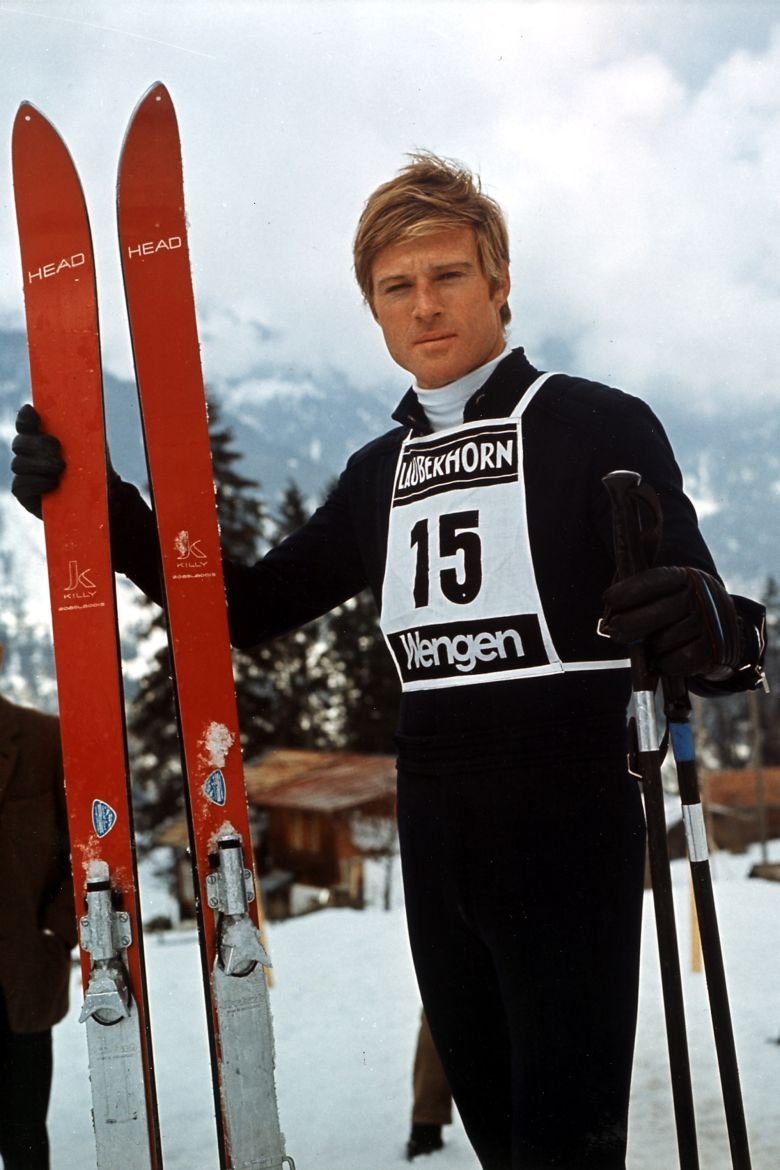
Robert Redford in the 1969 film ‘Downhill Racer.’
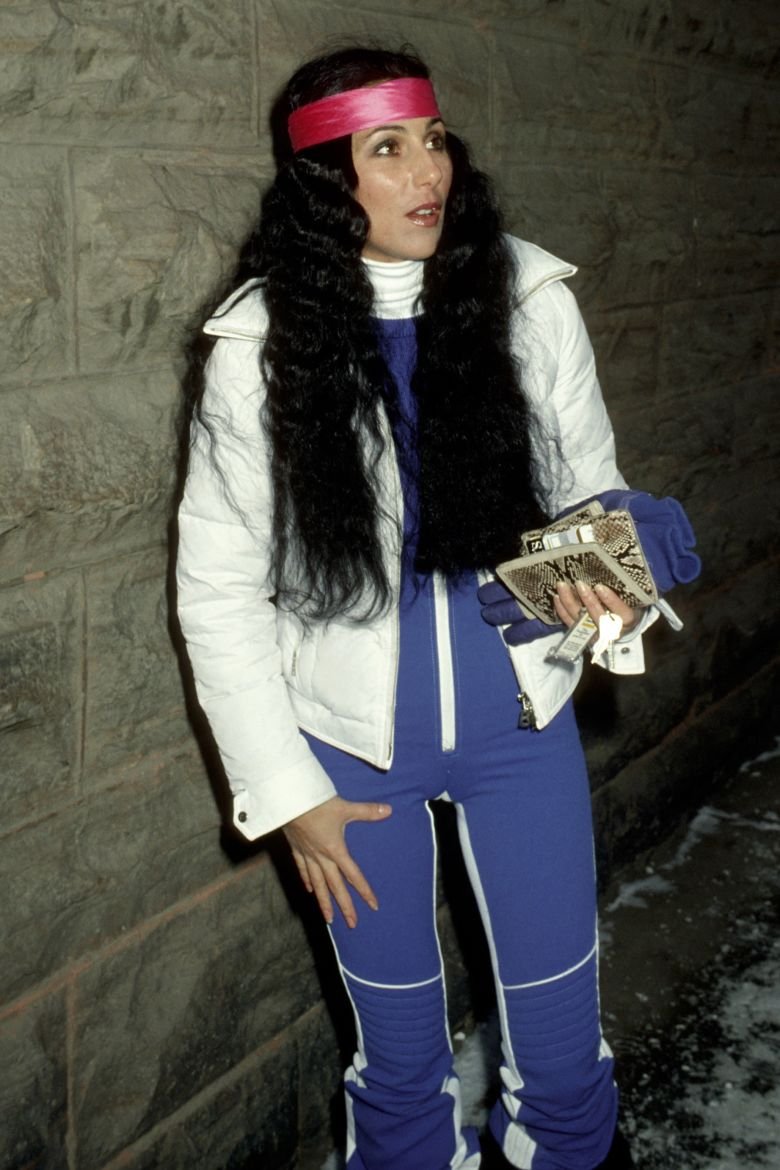
Cher in Aspen, Colorado in 1977.
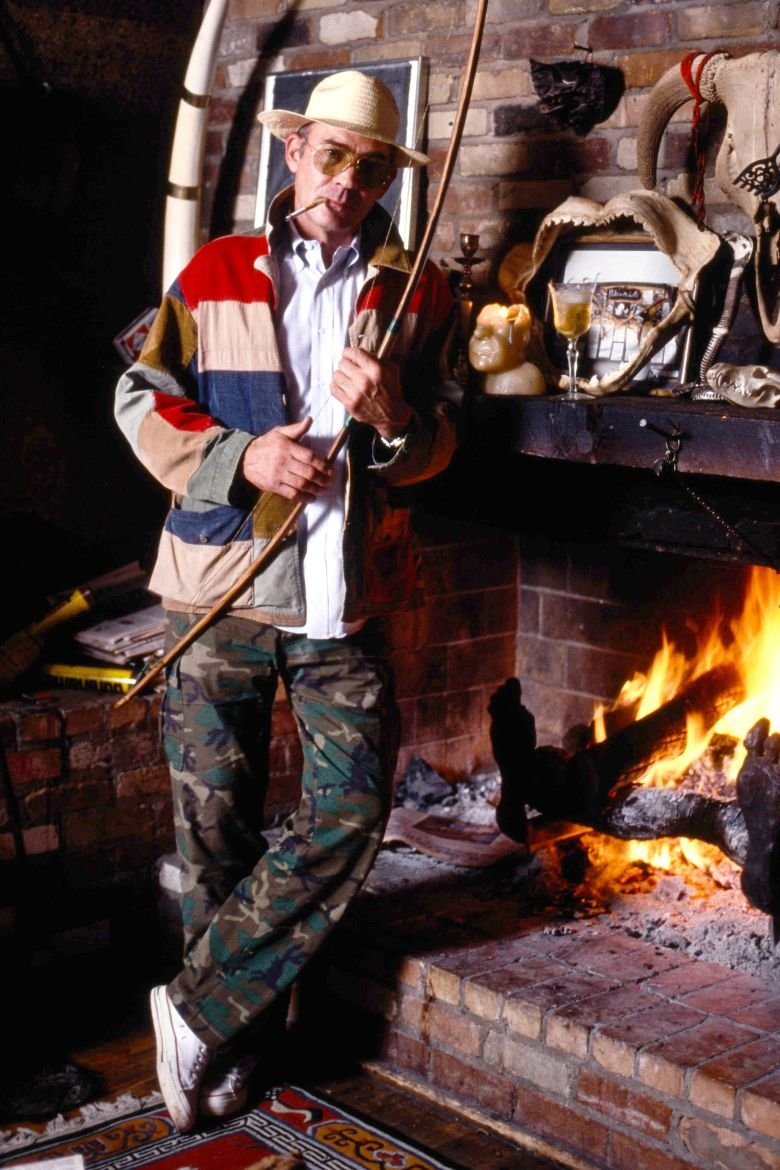
Writer Hunter S. Thompson in his ranch house in Woody Creek, Aspen, Colorado in 1990.
The book primarily explores not the best skiing locations, but rather the most fashionable spots to be seen skiing. It features resorts like Switzerland’s Verbier and Jackson Hole in Wyoming, while also offering recipes for hosting an après ski fête, complete with hot chocolate, Aperol Spritz, fondue, and gourmet nachos. The narrative conveys the leisurely vibe of slopeside relaxation, capturing scenes of skiers soaking up the sun, sipping drinks, or unwinding in trendy yet comfortable attire.
Skiing, much like big wave surfing, has evolved over decades through advancements in gear, fashion, and the emergence of exclusive resorts. Isakov traces the origins of the luxe ski lifestyle to St. Moritz, Switzerland, in the 1860s, a trend that expanded in Europe following World War I.
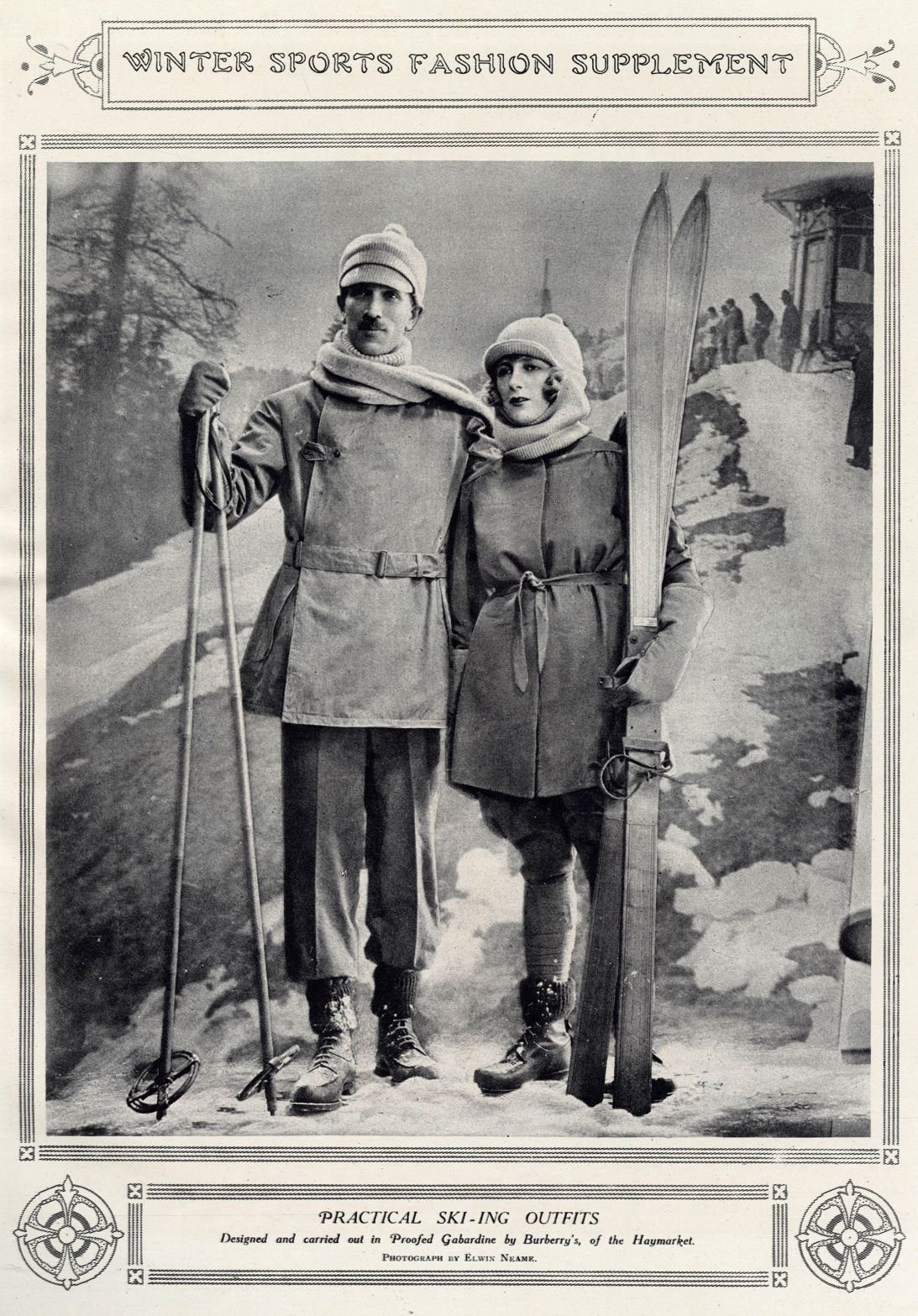
Burberry advertisement for skiing outfits in 1922.
In the 1930s, the United States became part of the skiing craze, a movement further galvanized by American soldiers returning from World War II equipped with alpine skills. Their experiences contributed to the rise of American ski resorts such as Vail and Aspen, which remain popular for their vibrant ski culture.
The evolution of skiwear
A significant portion of “Après Ski” focuses on ski fashion, a subject close to Isakov’s heart. Growing up at a California ski resort where her parents met and as a co-founder of the skiwear brand Erin Snow, Isakov offers an insider perspective on the evolution of skiwear.
Initially, women’s skiwear in the early 1900s featured long wool skirts, a style that soon gave way to the practicality of ski pants in the 1920s. This was followed by the introduction of slim-fit, synthetic fabrics after World War II, influenced by fashion designers like Emilio Pucci and a wave of magazine editors and celebrities.
Over the years, the classic ski image has incorporated elements such as Norwegian sweaters, stylish sunglasses, and warm boots.
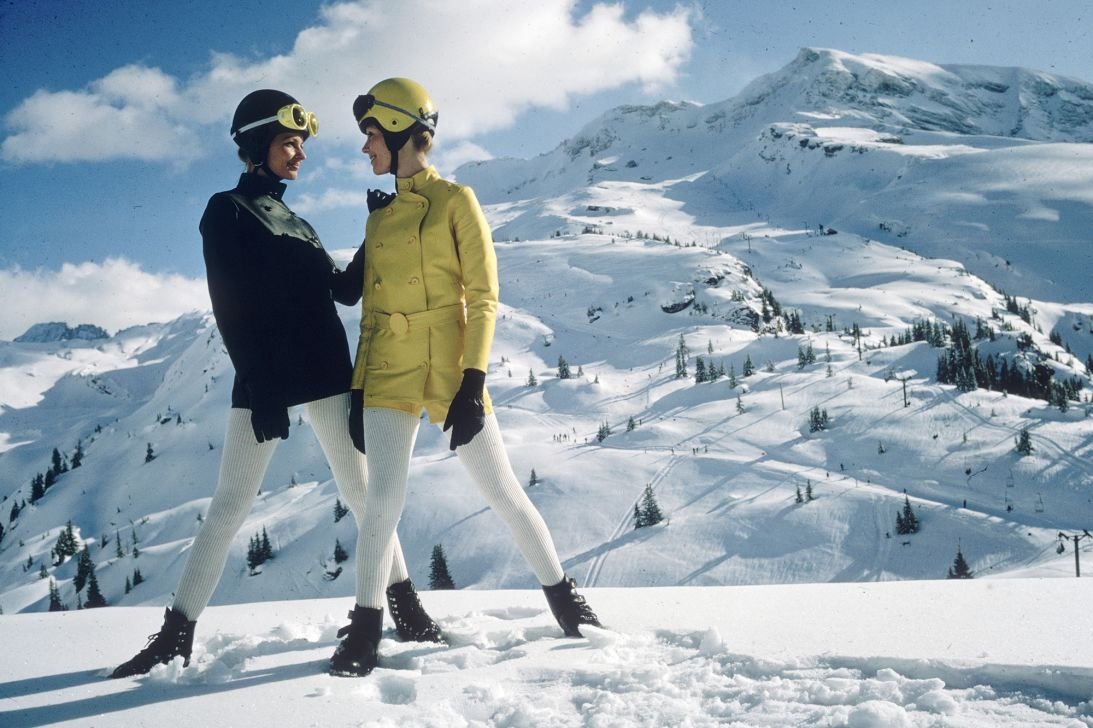
The Alps, 1967
The 1980s marked a distinctive era in ski fashion, characterized by vibrant lycra pants and puffy jackets completed with mirrored sunglasses. This decade, which also saw the emergence of snowboarding, made such clothing as grunge-plaid shirts and loose pants popular in the following decade, although “Après Ski” dedicates less attention to this trend.
Isakov observes a return to classic styles that blend slim silhouettes with modern, eco-conscious materials. Nonetheless, the realities of what visitors wear on the slopes present a more diverse landscape, where an eclectic mix of retro and contemporary styles is common. Many believe that skiing well will garner more respect than any designer outfit one might wear.
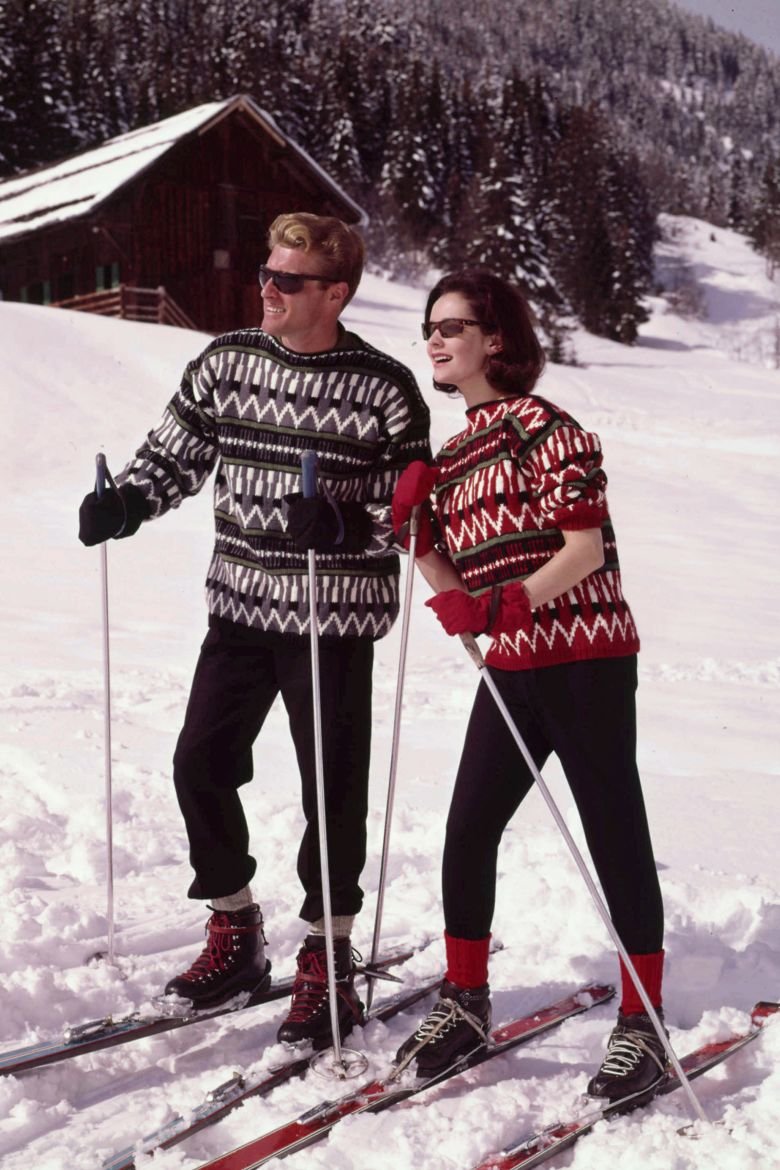
Coordinating Norwegian-style ski sweaters, 1964.
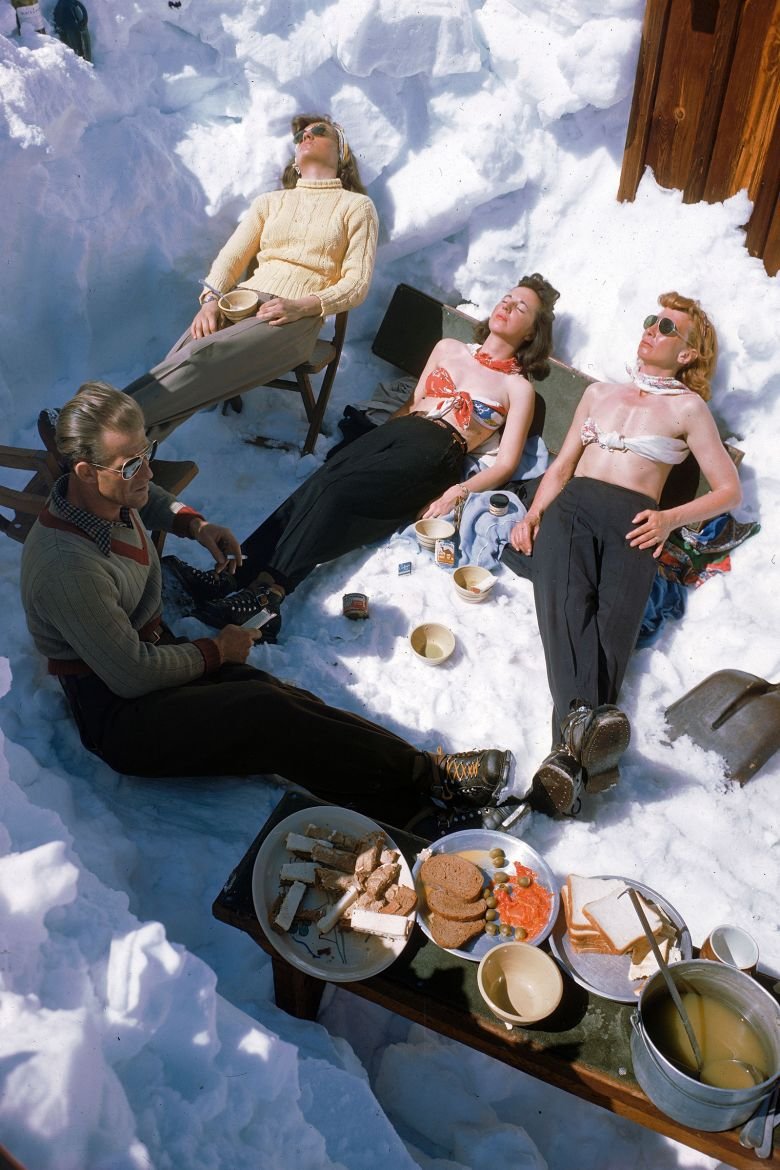
Sunbathing skiers after a meal in Sun Valley, Idaho in 1946.
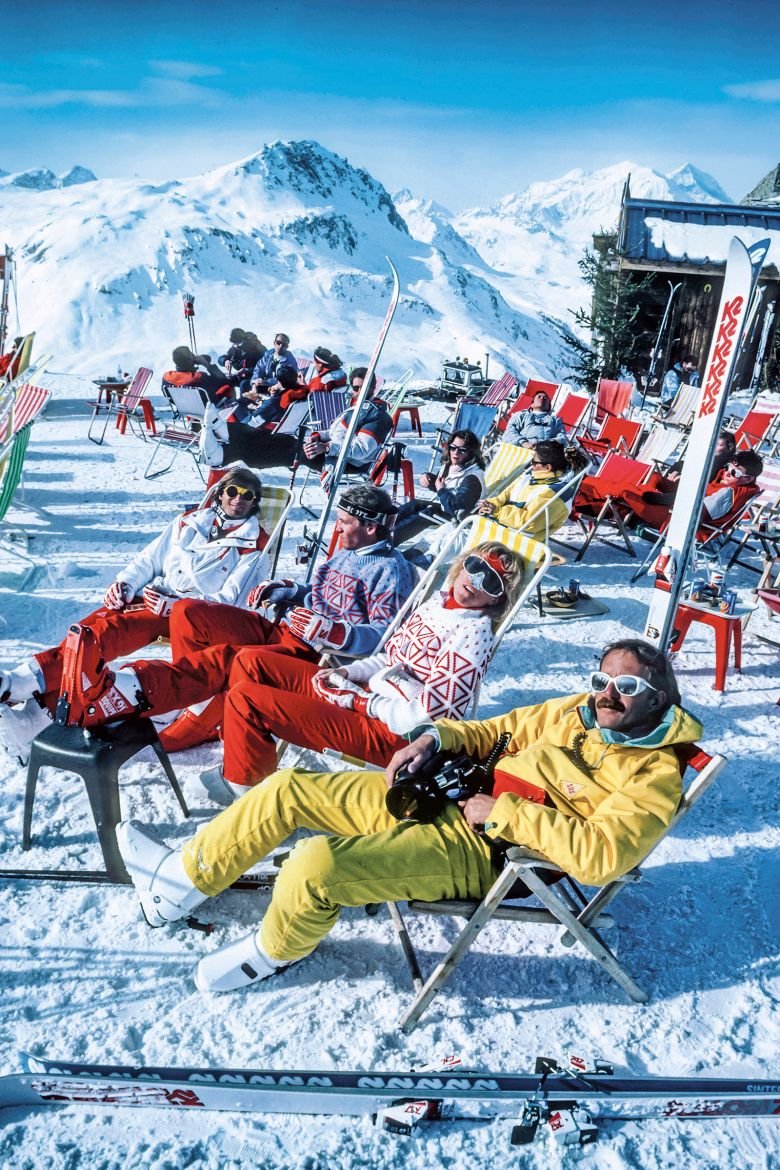
Val d’Isère, France in 1986
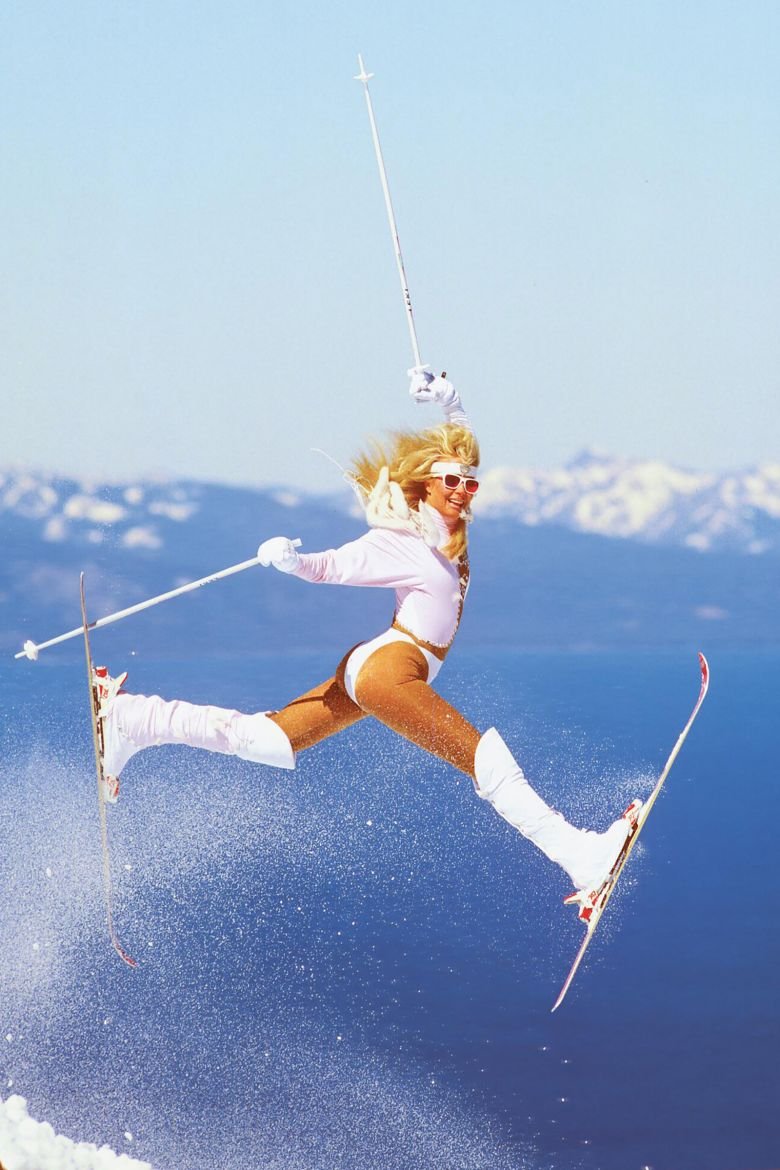
Former Olympic ski racer Suzy Chaffee embodying the spirit of 1980s ski style at the Heavenly Ski Resort in California in 1988.
The concept of après ski is equally diverse, functioning as both a party and a community gathering. It can occur in various settings, from lively bars to relaxed hot tubs or cozy cabins. As Isakov explains, après ski can be anything from boisterous celebrations to family-friendly get-togethers.
Ultimately, the essence of après ski centers around enjoyment. Participants can express their individual style while savoring delightful food, warm company, and a cozy atmosphere, creating a shared experience that appeals to both skiers and non-skiers alike.
Images: Excerpted from “Après Ski: The Scene, the Style, the Menu” © 2025 Erin Isakov. Used with permission from Artisan. All rights reserved.