
WBD Shareholders Support Paramount Sale in Important Vote; David Zaslav’s Compensation Proposal Turns Down
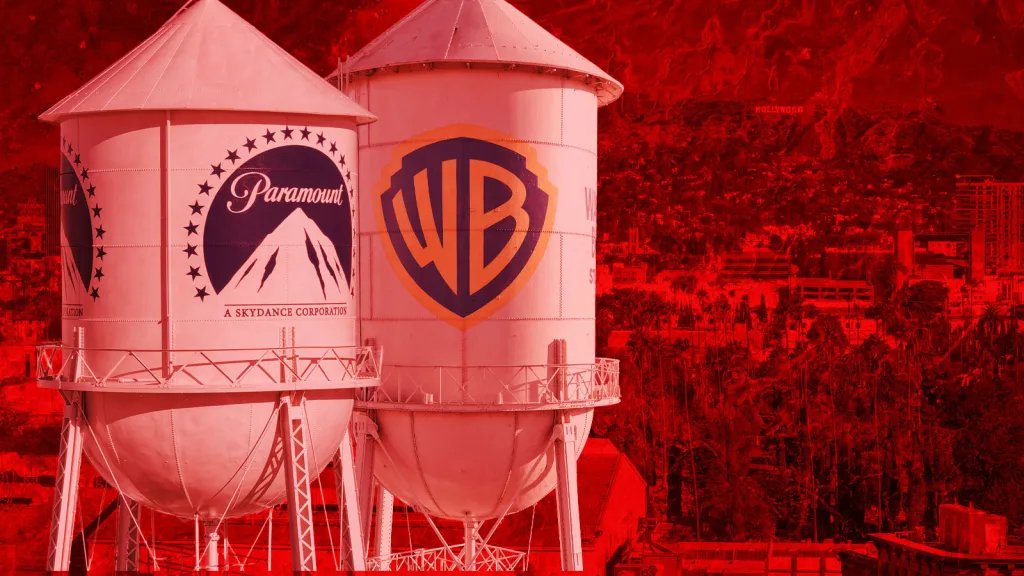
In a significant move for the media industry, shareholders of Warner Bros. Discovery have approved the sale of the company to David Ellison’s Paramount Skydance for $31 per share in cash. This decision was made during a special virtual meeting on Wednesday morning, marking a crucial step in the progression of this high-profile deal.
Company officials stated that the merger vote passed “overwhelmingly,” although detailed vote totals are yet to be confirmed. Shareholders did, however, reject a proposal regarding CEO David Zaslav’s compensation related to the deal, which is projected to exceed $500 million, possibly reaching $800 million. This pay vote is non-binding, allowing Zaslav to proceed with his earnings as planned.
The mega-merger, announced on February 27, assigns Warner Bros. Discovery (WBD) an equity value of $81 billion and an enterprise value of $110 billion.
Watch on Deadline
“We appreciate the support and confidence our stockholders have placed in us to unlock the full value of our world-class entertainment portfolio,” stated WBD board chairman Samuel A. Di Piazza, Jr., who presided over the meeting. “With Paramount, we look forward to creating an exceptional combined company that will expand consumer choice and benefit the global creative talent community.” Zaslav referred to the vote as a “milestone” in completing a transaction poised to deliver remarkable value to shareholders, adding that efforts would continue with Paramount to finalize the necessary steps.
Subject to regulatory approval, Paramount anticipates closing the transaction in the third quarter of 2026. If the deal does not finalize by then, shareholders of WBD will receive a “ticking fee” of 25 cents per share for each quarter until closure.
The U.S. Department of Justice, alongside antitrust regulators in the EU and the UK, is currently examining the deal. Speculation is rife regarding a potential legal challenge from California Attorney General Rob Bonta, bolstered by recent successes in halting other mergers, such as that of Nexstar and Tegna.
Concerns over the merger have been vocal within the industry, particularly regarding potential job losses from the consolidation of two major Hollywood studios. David Ellison has maintained confidence in securing the necessary approvals, asserting that the deal is beneficial to Hollywood and the creative community. Notably, the Ellison family has connections to former President Trump, as David Ellison is set to host a dinner in honor of Trump and CBS News’ White House correspondents tonight.
Funding for the transaction will come from $47 billion in equity, fully backed by the Ellison family and RedBird Capital, with $24 billion sourced from Middle Eastern investors, including $10 billion from Saudi Arabia’s sovereign wealth fund. Additionally, the deal is supported by $49 billion in debt commitments from a consortium of lenders led by Bank of America, Citigroup, and Apollo.
Combining this new debt with WBD’s existing liabilities of $29 billion means the total debt could approach $80 billion. Despite this substantial financial burden, Ellison has pledged to increase investments in film, television, and technology, asserting that the combined operations of Paramount and Warner Bros. will aim to release 30 films annually.
However, major ratings agencies have placed Paramount’s debt at junk status as the merger awaits final scrutiny, with Moody’s also considering a downgrade. This assessment focuses particularly on the leverage of the firms involved, weighing their debt against assets and equity.
War of Words
The campaign to acquire WBD began last fall when Paramount sought to split its studio and streaming businesses. After multiple rejections of Ellison’s offers, WBD opted for a public auction leading to a competing bid from Netflix, which was later eclipsed by Paramount’s cash offer of $31 per share. Warner’s board emphasized a fiduciary duty to accept the offer.
The lead-up to the shareholder vote has been filled with contention. On the evening before the vote, Senator Cory Booker (D-NJ) released a 13-minute video featuring critics discussing potential adverse effects of the merger, including job losses and privacy risks.
A coalition of prominent Hollywood figures expressed their concerns in an open letter earlier this month, warning against prioritizing the interests of a few stakeholders over broader public welfare. The letter, which gathered 3,000 signatures, asserted that “competition is essential for a healthy economy and a healthy democracy,” lamenting the dangers of media consolidation.
In Washington, Senate Democrats have cautioned Ellison to preserve records as they consider an investigation into Paramount’s connections with Donald Trump regarding the acquisition bid.
Michael O’Leary, the head of a leading exhibition trade group, articulated strong opposition to the merger during remarks at CinemaCom, mirroring sentiments from other large chain owners. AMC Entertainment’s CEO Adam Aron has been an exception in showing support for Ellison. Paramount’s CEO emphasized a commitment to a 45-day theatrical window at the event.
Throughout recent dinners with advertisers, Ellison has reinforced a commitment to increasing content spending, assuring theater owners, “You can count on our complete commitment. And we’ll show you we mean it.”