
Taraji P. Henson Reflects on Tyrese Gibson’s Success After ‘Baby Boy’ While Sharing Her Own Journey
Taraji P. Henson Addresses Gender Disparities in Hollywood
Taraji P. Henson, a prominent advocate for equal pay and the advancement of Black actresses, recently delved into the persistent inequalities faced by women in Hollywood during an interview. In a discussion on Making Space with Hoda Kotb, she specifically addressed the disparities in career trajectories between male and female actors.
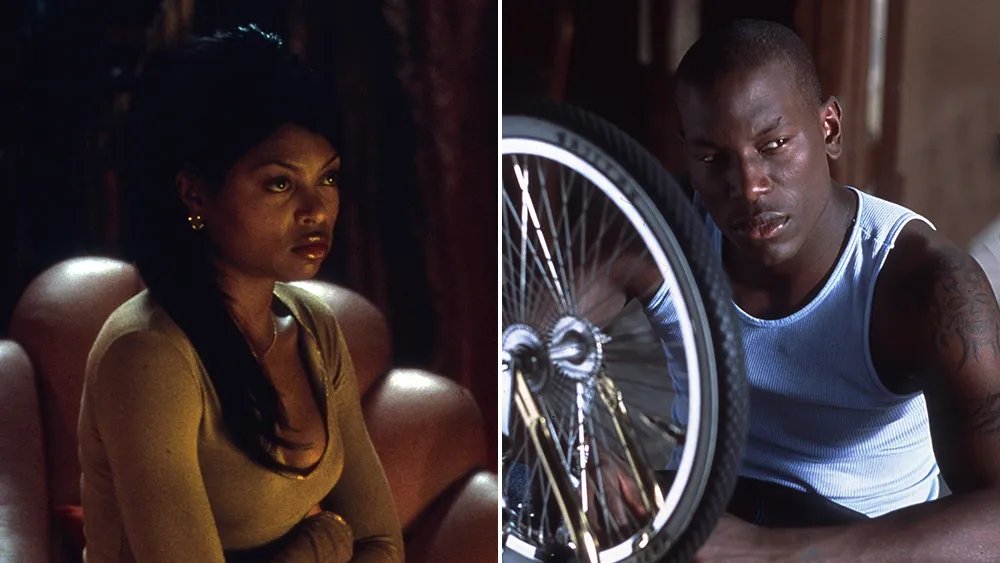
Reflecting on her early career, Henson recounted her experiences following the release of director John Singleton’s 2001 film, Baby Boy. “It was huge for me back then. I was a female lead, I was new to Hollywood, and I just remember everybody coming to me going, ‘Oh my God, you’re gonna blow up. Do you understand what John Singleton does to people’s careers? Look at this person and this person.’ But I don’t know, discernment told me something different. And I just knew it wasn’t gonna be that way,” she shared.
Despite the excitement surrounding her potential breakout, Henson sensed that her journey would differ from that of her male counterparts. “I hadn’t even really fully figured out the politics of Hollywood yet. But I just know that something sat on my heart, and was like, ‘I don’t know if that’s gonna be my story, I don’t know that that’s gonna happen like that overnight for me.’ And so, sure enough — but I knew deep down it would for Tyrese,” she said, referring to her co-star Tyrese Gibson.
Henson expressed no resentment but pointed out the stark contrast in their career progression. “And it’s no hate or anything — I just knew … But it still didn’t hit me yet, because I was still working. As long as I had a job, I was cool,” she explained.
Highlighting the impact of major franchise projects, Henson noted, “After Baby Boy, Tyrese booked two franchise films, huge! Transformers and Fast and Furious. I still have not booked my franchise film. Been in the game almost 30 years. No franchise film.”
Concluding her remarks, Henson stressed her resilience and understanding of the industry’s complexities. “I’m not gonna cry about it. I mean, it just, I know what it is now. Now I’m on the other side of the table now. You can’t hurt my feelings anymore because now I know there’s politics involved. It still sucks, but I’m not setting myself up to hurt my own feelings,” she stated.