
Sophie Okonedo Shares How Bringing ‘Clarissa’ from Nigeria to Cannes Moved Her to Tears of Joy; Directors Arie and Chuko Esiri Highlight Their Unique Vision
Sophie Okonedo Set to Premiere ‘Clarissa’ at Cannes Directors’ Fortnight
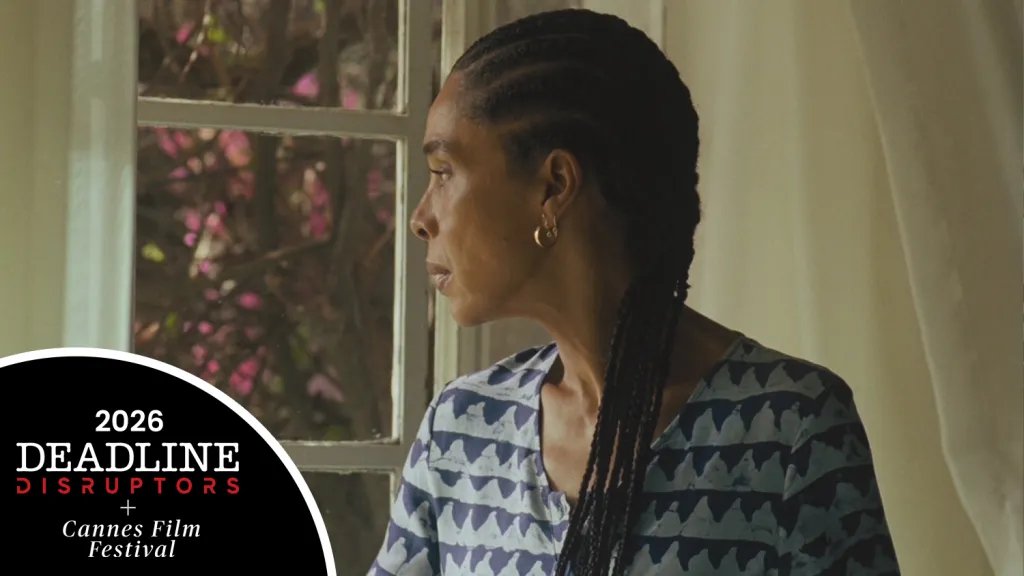
Oscar-nominated actress Sophie Okonedo is poised to showcase her latest film, Clarissa, at the prestigious Cannes Directors’ Fortnight. Directed by Nigerian siblings Arie and Chuko Esiri, the film is an adaptation of Virginia Woolf’s 1925 novel Mrs. Dalloway, reimagined in Lagos. Okonedo stars as the titular character, capturing the essence of a society woman planning a dinner party amid the vibrant backdrop of contemporary Nigeria.
In an emotional reflection, Okonedo expressed her surprise and joy upon learning of the film’s acceptance at Cannes, stating, “I was in tears. I’ve never been to Cannes.”
The journey to bring Clarissa to life was not without its challenges. “It was so hard to get off the ground,” she explained, noting the complexity of filming in Nigeria despite the country’s renowned Nollywood industry. “To get a film made on 35mm, shot with nearly all Nigerian crew, is just extraordinary.”
The initial discussions about the film began during the pandemic lockdown when the Esiri brothers reached out to Okonedo through her agent. After watching their debut film Eyimofe (2020), she was eager to collaborate. “They mentioned doing a re-imagining of Mrs. Dalloway, and I was like, ‘I’m in.’”
Despite a prolonged silence following their first conversation, Okonedo eventually received the script and was captivated. “I just thought, ‘This is fantastic. Yes, I’ll definitely do it.’” She emphasized her commitment even amid budget constraints, stating, “There was no money.”
Following this, producer Theresa Park joined the project, assisting in fundraising. Okonedo maintained close contact with Chuko, even visiting him in Sussex.
Reflecting on the current landscape for filmmakers of Nigerian descent, Okonedo noted the significance of their presence at Cannes, particularly after the success of another film, My Father’s Shadow. She praised its creator, Akinola Davies, describing him as “an interesting guy.”
When asked about the artistic vision of the Esiri brothers, she described them as “very bold” and confident in their approach. Okonedo further shared her transformation during the filming process. After initially struggling to understand Woolf’s Mrs. Dalloway, she found new meaning in the text as she aged and reflected on her own life experiences.
Her journey took her to Lagos prior to filming, where she tapped into her roots while staying with the Esiri family. “I wanted to absorb everything; I wasn’t brought up in Nigeria, and I don’t know my Nigerian family,” she explained.
Discussing her character, Okonedo revealed that while her portrayal of Clarissa is set in modern Lagos, it reflects a cosmopolitan lifestyle with Western influences, prompting her to adapt her accent accordingly. “I just love them for that,” she noted about the Esiris’ vision.
Okonedo described Lagos as a chaotic yet vibrant city, reflecting on the energy and exuberance that permeates the area. “There’s a kind of exuberance and an energy there,” she remarked, acknowledging both the beauty and the challenges of making a film in such an environment.
As she prepares for the film’s premiere, Okonedo recognizes the personal significance of this project. “This project has been so meaningful to me on a personal level,” she said, emphasizing that any recognition from Cannes is merely a bonus.
In a closing commentary, she considered the implications of adapting such a classic British narrative in a Nigerian setting, expressing a newfound perspective on the broader cultural dialogue. “There’s this whole other world where stuff is happening all the time,” she concluded, suggesting a shift away from a solely Western viewpoint toward a more inclusive narrative landscape.