
Paramount’s Strategy to License Content to Third Parties: CEO David Ellison on Why This Makes the Company More Attractive to Talent
During Bob Bakish’s tenure as CEO of Paramount, the company made headlines by licensing significant properties such as Yellowstone and South Park to third-party buyers through multi-year agreements.
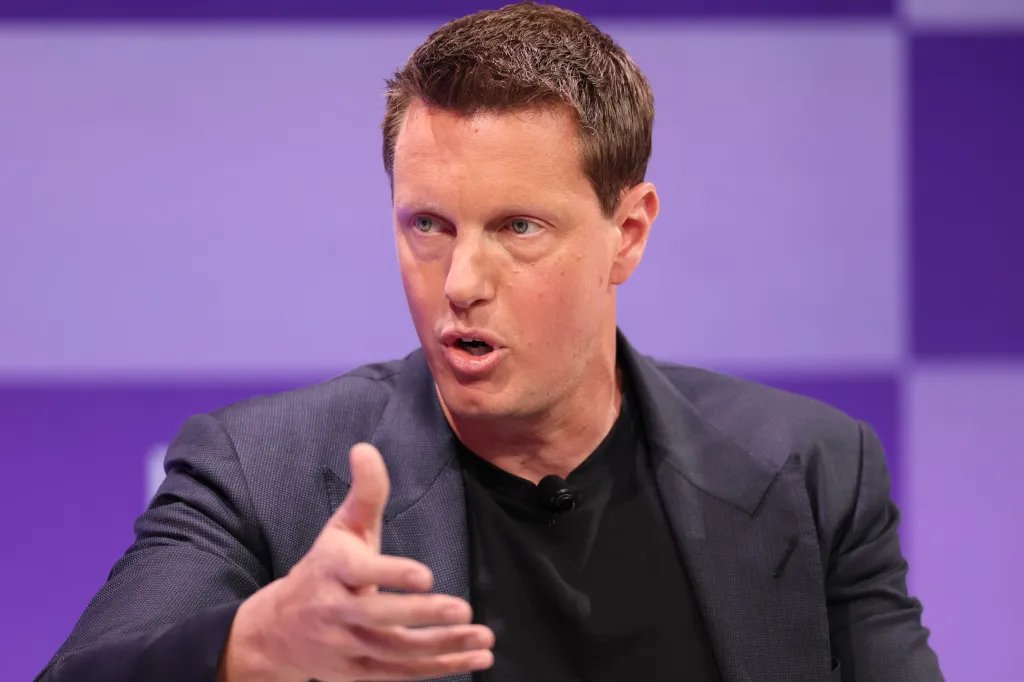
David Ellison, who assumed leadership of Paramount following its merger with Skydance last year, addressed Wall Street analysts on Monday about the company’s strategy moving forward. He stated that Paramount will continue to sell rights to select programming “for the foreseeable future.” Ellison clarified that the company intends to avoid a “one-size-fits-all” methodology, suggesting that engaging third parties makes Paramount “much more desirable” to creative talent.
This discussion arose during a 35-minute conference call focused on the company’s first-quarter results. Prior to the call, Paramount highlighted the achievements of Paramount Television Studios and CBS Studios in a letter to shareholders. While some titles are available on Paramount+, the Television Studio celebrated “several notable milestones” this quarter, such as a limited series order for The Corrections at Netflix and a third-season renewal for Cross on Prime Video.
The studio’s slate for 2026 features new series, including Ride or Die and a Reacher spinoff titled Neagley for Prime Video, as well as 12 12 12, Brothers, and Neuromancer for Apple TV, and Hollywood Arts for Netflix. The company will also release new seasons of established series like Reacher, XO, Kitty, Foundation, and Emily in Paris.
Ellison emphasized the importance of licensing within the business model. “We actually think that is an incredibly meaningful part of our business and intend for that to continue,” he noted. He explained that while some series must remain exclusive to their own platforms, others can be effectively sold to third parties. He observed that some series, when returned to owned platforms, may actually attract increased viewership. Thus, he argued for a tailored approach to licensing, assessing each case individually.
Regarding original series, Ellison stated, “we’re in the business of being the No. 1 home for the most talented artists in the world.” He stressed the importance of providing showrunners with ample opportunities to realize their projects, advocating for flexibility in licensing. “We can sell into our owned-and-operated, but if for any reason, it doesn’t make sense for owned and operated, we can also sell them to third parties,” he explained, underscoring that this approach not only generates revenue but also enhances the company’s attractiveness to talent.
Ellison concluded, pointing out that this balanced strategy has “served us really well” and will continue to guide Paramount in the future.