
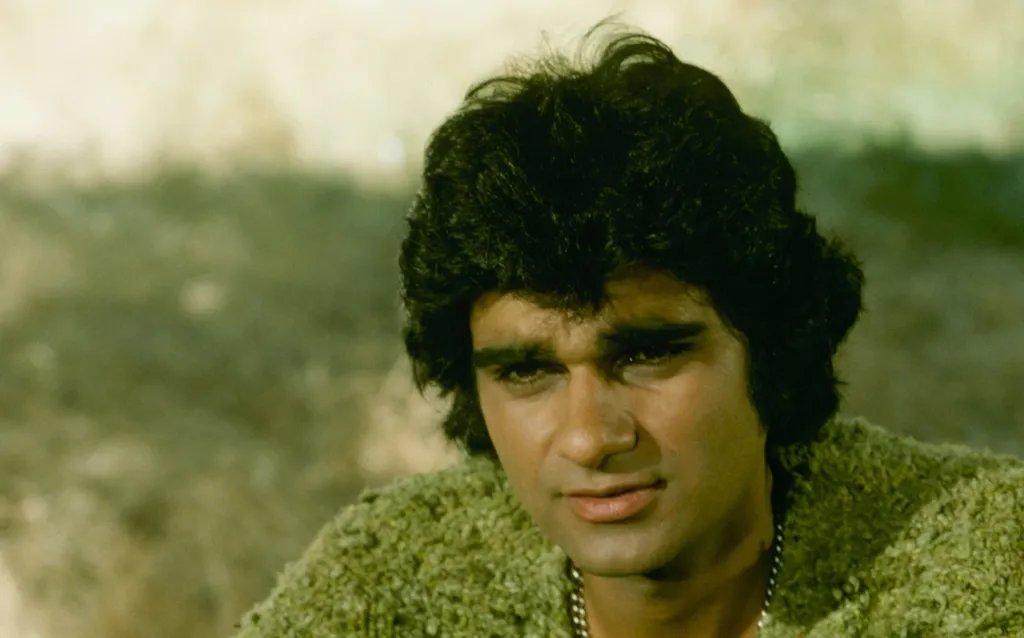
Remembering Richard Dimitri: Celebrating the Life of the ‘Johnny Dangerously’ Actor at 83
Richard Dimitri, best known for his roles as twins Bertram and Renaldo in Mel Brooks’ 1975 sitcom When Things Were Rotten, passed away on December 18 in Los Angeles. He was 83, having struggled with heart and lung illnesses for several years.
His death was confirmed by family members, who noted that he was surrounded by his wife of 26 years, Christianne Engs, at the time of his passing.
Born on June 27, 1942, in Yonkers, New York, Dimitri was of Assyrian descent and graduated from the American Academy of Dramatic Arts in 1962. He made his New York stage debut the following year as Bashir in the Off-Broadway revival of The Immoralist. His Broadway credits included roles as Pavli in Zorba, Muthu in The Guide (both in 1968), and Kinesias in the 1972 production of Lysistrata, where he starred alongside Melina Mercouri.
Dimitri moved to Los Angeles in 1975 to join the cast of ABC’s single-season parody series When Things Were Rotten, featuring Dick Gautier. He subsequently appeared in episodes of notable shows such as Starsky & Hutch, Welcome Back, Kotter, Hawaii Five-O, and Tracey Ullman’s Tracey Takes On.
His film career included a notable role as Roman Troy Moronie in the 1984 comedy Johnny Dangerously, which starred Michael Keaton. He also appeared as Tony Cheeseburger in the 1989 film Let It Ride, acting alongside Richard Dreyfus and Teri Garr.
In addition to acting, Dimitri contributed to television writing for series such as Going Bananas (1984) and Daddy Dearest (1993). He also performed stand-up comedy at venues like The Comedy Store in Los Angeles.
Due to serious chronic health issues, he retired from the entertainment industry in 1998. Following his retirement, Dimitri shifted his focus to art and antiques and opened an art gallery, Engs-Dimitri Works of Art, in Los Angeles with his wife.
He was predeceased by his son, John W. Dimitri. A private interment is scheduled for January 15. The family has requested that donations in Richard Dimitri’s memory be made to The John Dimitri Research Foundation for Congenital Heart Disease.