Nuremberg: Explore the Screenplay of James Vanderbilt’s Dramatic Look at Justice After WWII
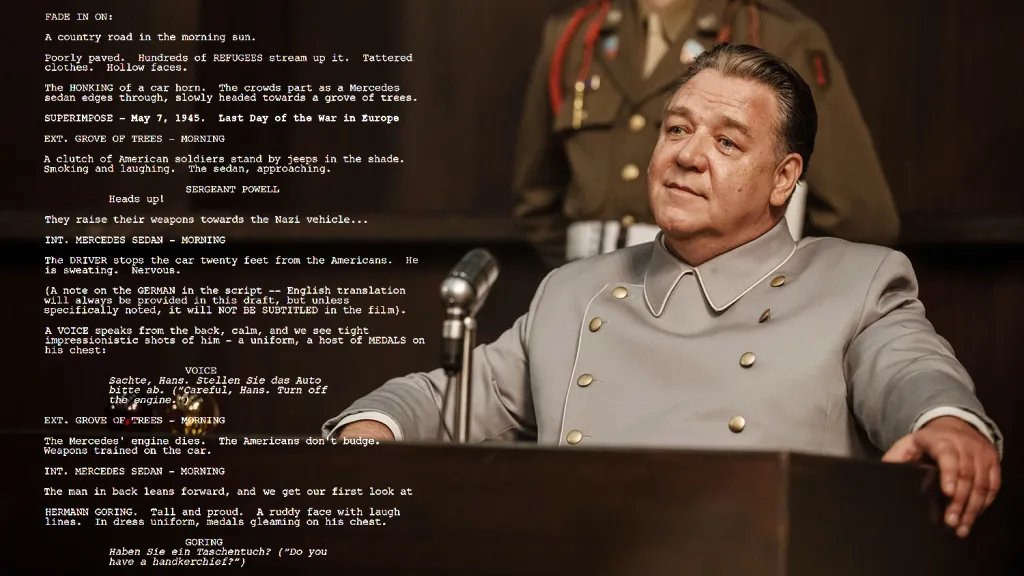
Vanderbilt’s latest film adaptation draws inspiration from Jack El-Hai’s nonfiction book The Nazi and the Psychiatrist. The screenplay centers on Army psychiatrist Lt. Col. Kelley, portrayed by Oscar winner Rami Malek. Kelley was tasked with evaluating high-ranking Nazi officials, including Hermann Göring, played by fellow Oscar winner Russell Crowe. This evaluation was pivotal as it determined their mental fitness for the Nuremberg trials, which sought justice for the atrocities committed during the Holocaust.
The film, which features a cast including Michael Shannon, Leo Woodall, Richard E. Grant, Colin Hanks, Mark O’Brien, and John Slattery, made its world premiere at the Toronto Film Festival in September and was released in theaters in early October. It has grossed $23.4 million worldwide.
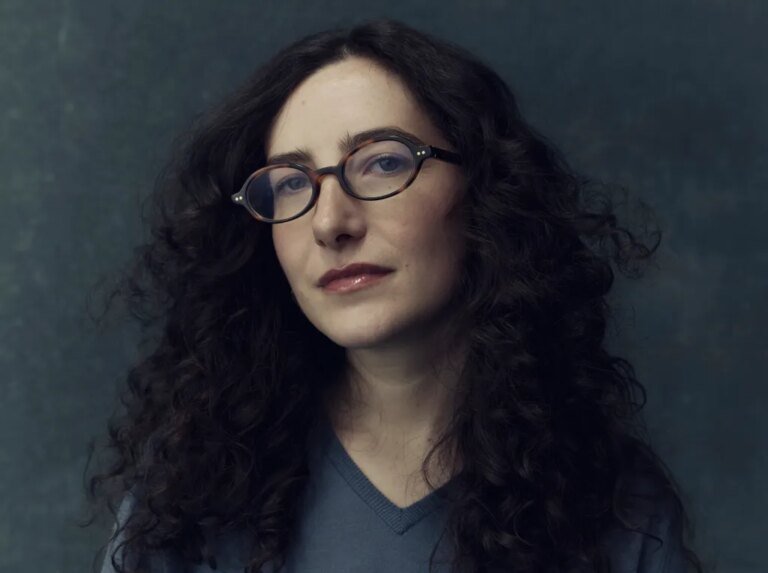
Vanderbilt expressed a desire to engage younger audiences with this historical narrative, emphasizing the need to illuminate events that are fading from collective memory. While El-Hai’s book focuses on Kelley, Vanderbilt expands the scope to include the formation of the unprecedented tribunal, which involved the Allied powers: the U.S., the Soviet Union, France, and the UK, led by U.S. Supreme Court Judge Robert H. Jackson, played by Michael Shannon. This tribunal laid the groundwork for the modern international court system.
The film presents a dual narrative structure: a courtroom drama depicting the inaugural international war tribunal, and intimate interviews between Kelley and Göring. These interactions aim to explore the complexities of human nature and the nature of evil. Notably, Kelley’s research revealing that Göring and others were not outright monsters but rather disturbingly ordinary individuals posed significant challenges to his career.
“Evil isn’t always going to put on a scary uniform,” Vanderbilt remarked. “It’s not always going to announce itself. It can be insidious. It can be – as Göring was – the nicest guy at the dinner party. That’s a much scarier thought than good guys versus bad guys.”