
Koreatown Residents Share Their Concerns About Sex Trafficking at Community Meeting
Residents Raise Concerns About Sex Work in Pico Union District
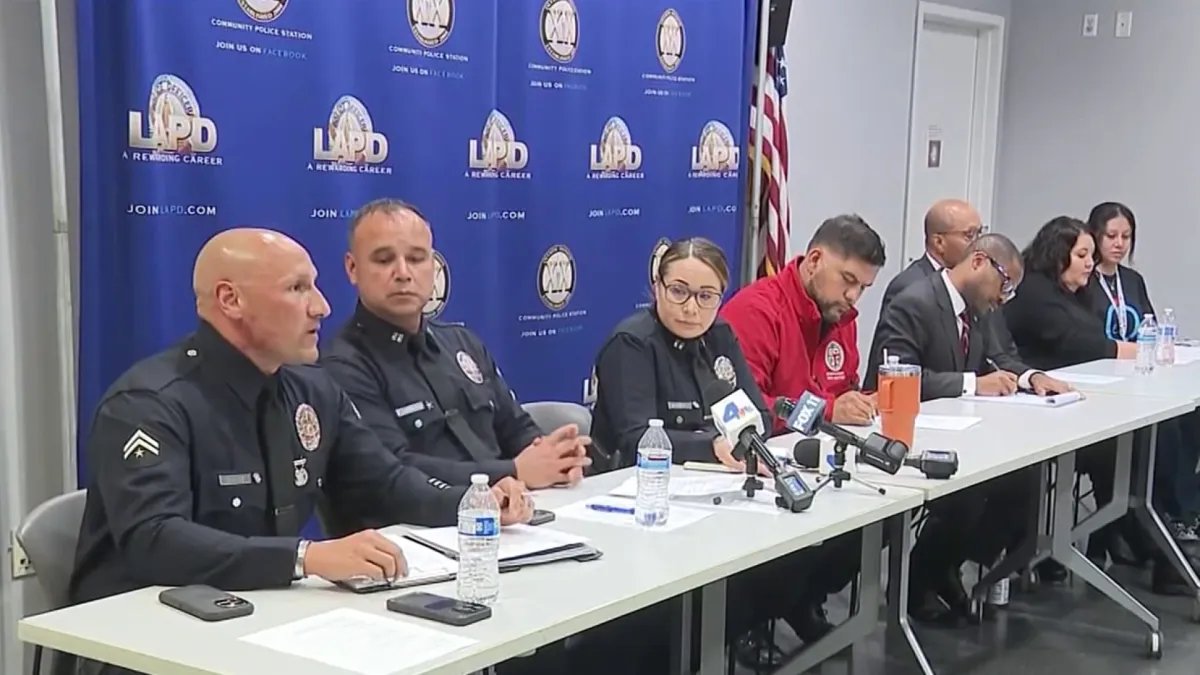
A packed meeting in Pico Union on Thursday night highlighted growing tensions over sex work in local neighborhoods. Residents expressed their frustrations regarding the influx of sex workers and their clients into the community, voicing concerns about public safety and cleanliness.
Attendees from neighborhoods west of Western Avenue, above the 10 Freeway, directed pointed questions toward law enforcement and city officials. “The young women bring their Johns into our neighborhoods where they’re having sex in our yards, on our porches, in our driveways,” said Rory Cunningham, a resident of the St. Andrew Square neighborhood.
Cunningham and other residents reported an alarming increase in this activity, noting that sex acts openly occur in front of homes. “Last month I counted one night five women on our corner,” he added, underscoring the frequency of these incidents.
Law enforcement officials suggested that recent crackdowns on the Figueroa corridor might have displaced this activity into surrounding areas. During the meeting, multiple city departments convened to discuss potential solutions, but some residents expressed frustration over the delayed response. “For over two years, I’ve called and complained, and no one seemed to be taking this seriously until a high-end neighborhood started to be impacted,” one resident remarked.
Charles D’Atri, president of the Larchmont Village Neighborhood Association, acknowledged the challenges of holding such discussions but maintained a positive outlook. “It’s not always fun. People start yelling at each other and they act out, but the reality is that’s what gets things done,” he noted. D’Atri also emphasized that media attention and city government involvement could lead to effective solutions.
Despite the contentious atmosphere, many residents conveyed hope that city officials would address their concerns and work toward resolving the issue in their neighborhoods.