
Kaiser Permanente Strike Continues: More Workers Join the Picket Lines in Week Two
Kaiser Permanente Strike Enters Second Week
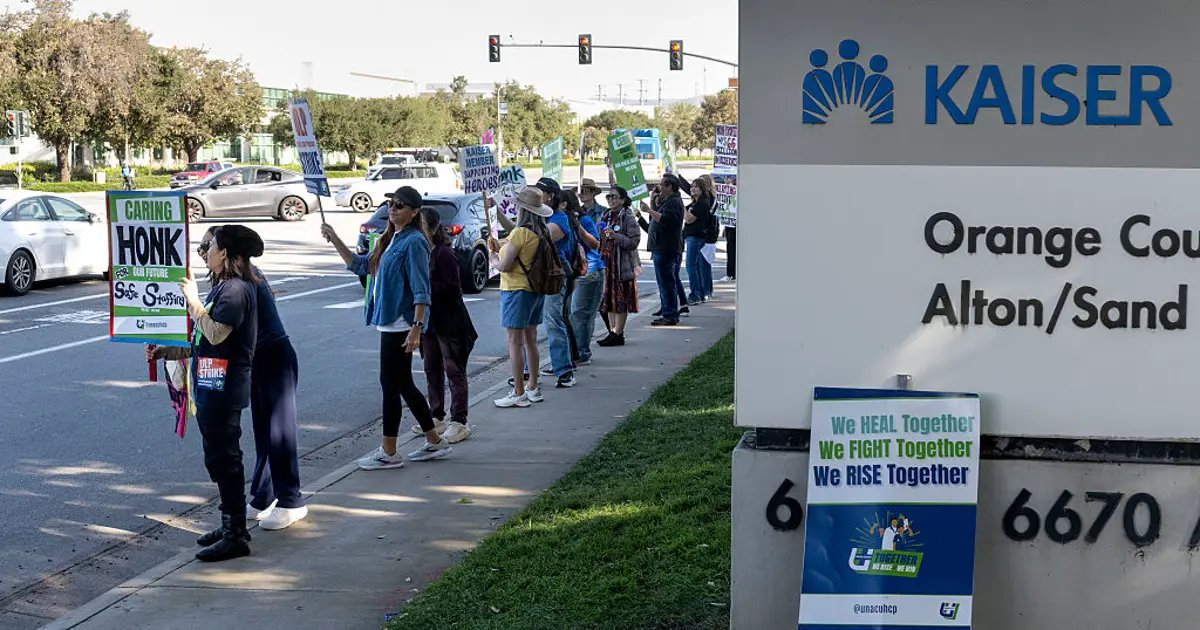
Over 31,000 Kaiser Permanente health care workers have entered the second week of an open-ended strike that began on January 26, affecting facilities across California and Hawaii. The massive walkout involves a diverse group of professionals, including registered nurses, pharmacists, midwives, and rehabilitation therapists, organized under the United Nurses Associations of California/Union of Health Care Professionals (UNAC/UHCP).
This situation escalated recently as several local unions issued a 10-day strike notice, allowing pharmacy and laboratory workers to join the picket lines starting February 9. Contract negotiations have reached an impasse, with the union alleging unfair labor practices, while Kaiser executives maintain that their 21.5% wage increase offer is adequate.
As of February 2, picket lines remain active at numerous facilities, with no immediate resolution in sight regarding staffing levels and wage increases. Major locations impacted include the Los Angeles Medical Center, hospitals in the Inland Empire, and various sites in Northern and Southern California as well as Hawaii.
The backdrop to this strike is a charge of unfair labor practices filed with the National Labor Relations Board. The union claims that Kaiser Permanente abandoned negotiations and attempted to circumvent the established national bargaining process.
Union leadership emphasizes that the strike is centered on patient safety and the long-term sustainability of health care services. Charmaine S. Morales, RN and president of UNAC/UHCP, stated, "We’re striking because Kaiser has committed serious unfair labor practices and because Kaiser refuses to bargain in good faith over staffing that protects patients."
In contrast, Kaiser Permanente management describes the strike as "unnecessary." Camille Applin-Jones, senior vice president at Kaiser Permanente Southern California, referred to their wage proposal as "one of the strongest nursing contract offers in California this year," and contended that the strike is fundamentally about wages, rather than patient care.
The timeline for this conflict includes key dates such as the commencement of contract negotiations in May 2025, stalled talks in December, and the official start of the strike on January 26, 2026. The strike is currently open-ended, with no scheduled conclusion, and tensions are expected to rise further as more workers prepare to join the action next week. Kaiser has indicated that patient care facilities remain "fully operational" through the use of temporary contract professionals and managers.