Is There Really a Reason to Worry About Paramount CEO David Ellison’s Bold Strategy for Warner Bros.?
Paramount’s Takeover of Warner Bros. Faces Industry Backlash
The proposed acquisition of Warner Bros. by Paramount Pictures has sparked significant outrage among various stakeholders in the film industry, including exhibitors, filmmakers, and lawmakers. Concerns center around potential monopolistic behavior, fears of massive job cuts, and the ambitious promise of releasing 30 films annually following the merger, reminiscent of Disney’s acquisition of Fox.
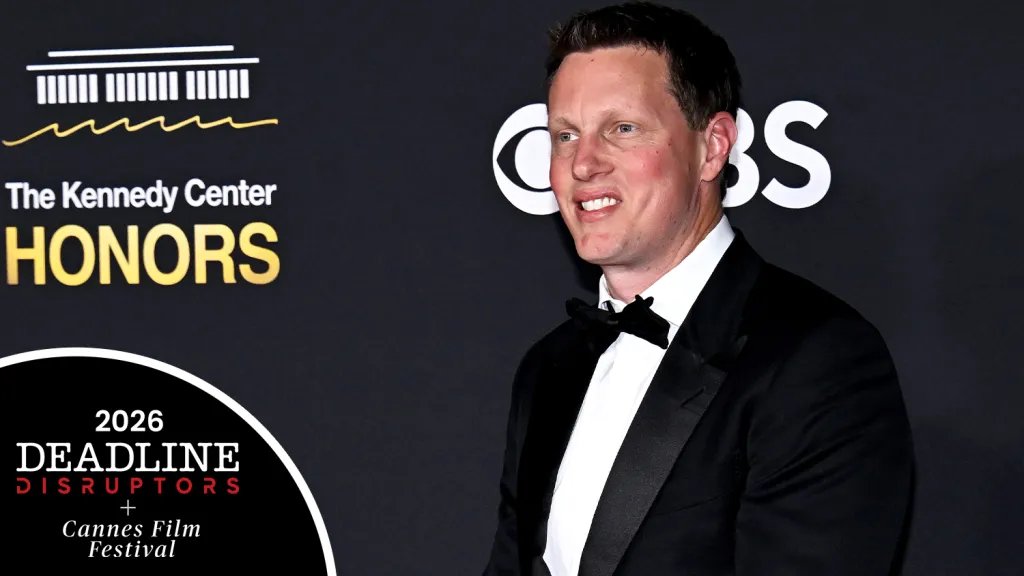
Despite these worries, it’s important to recognize the financial pressures facing Warner Bros. Discovery (WBD). The company has been battling considerable debt, positioning it as a prime candidate for acquisition. David Ellison, a key figure behind the takeover, previously secured Paramount’s future when he outbid Netflix for it in February, offering $31 per share in an all-cash deal amid Netflix’s uncertain commitment to theatrical releases.
Ellison’s family wealth, credited to his father Larry Ellison and Middle Eastern investment funds, made this takeover seem inevitable. Some argue that the union of the two studios could invigorate competition against streaming giants like Netflix, Amazon, and Apple. With a projected market cap of $170 billion, the combined entity could rival Disney, especially considering the potential for a substantial subscriber base through a merger of Paramount+ and HBO Max, which could total 172 million users.
Industry insiders believe that a stronger combined studio would have a vested interest in theatrical releases. “They’ll have $79 billion in debt,” noted a rival studio executive, “and the only way they’ll be able to get out of that is by releasing films theatrically.”
In a recent appearance at CinemaCon, Ellison reaffirmed this commitment, announcing a 45-day theatrical window for new releases and a transition to streaming within 90 days. He assured exhibitors of his dedication to producing at least 30 films annually once the deal is finalized.
While some critics argue that this merger signals further decline within the film industry, others see it as a strategic move for competition. Emma Thomas, producer of The Odyssey, remarked that the merger could be “disruption for disruption’s sake,” highlighting concerns about corporate decision-making benefiting only a select few.
Ellison distinguishes himself from traditional media moguls with a hands-on approach as a producer. His involvement in successfully reviving the troubled Top Gun: Maverick is emblematic of his dedication to the craft. Despite initial skepticism from Paramount’s executives regarding the film’s appeal to younger audiences, Ellison was willing to finance the ambitious project entirely.
As the film industry navigates these turbulent changes, Ellison’s passion for storytelling sets him apart. His history of championing films through adversity, such as when he salvaged World War Z amidst budget overruns, showcases his commitment to quality filmmaking.
Ellison’s collaborators attest to his fair leadership style and transparency in decision-making. “The best idea always wins,” emphasized Dana Goldberg, Co-Chair of Paramount Pictures. “David cares about the movie, and whatever serves it best wins.”
In this evolving landscape, Ellison’s role could be pivotal in reshaping the future of cinema. As Shawn Levy, director of The Adam Project, noted, “David is a fan first. The dude loves movies.”