
How to Enjoy Billy Idol’s Music Without Limits
In a whirlwind six days, Billy Idol captivated audiences with a series of performances, including a rendition of his classic “Rebel Yell” alongside Carrie Underwood on TV’s “American Idol.” He further surprised fans with a performance of “Eyes Without a Face” at the Coachella festival and was recently announced as a member of the Class of 2026, set to be inducted into the Rock & Roll Hall of Fame later this year.
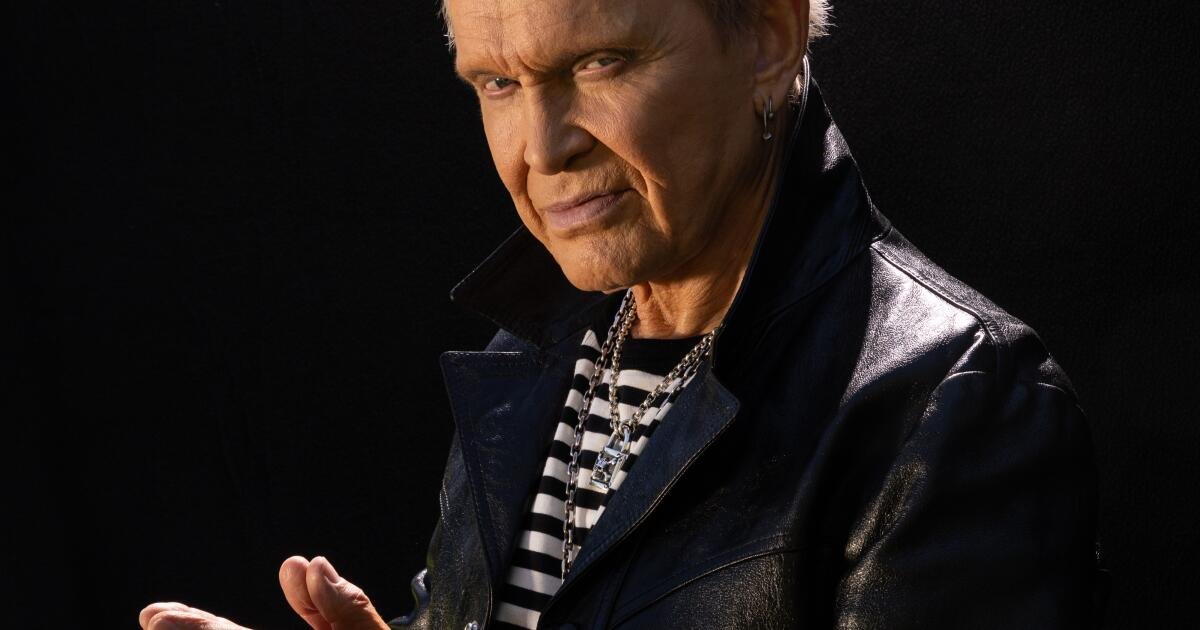
“Keeping busy,” Idol remarked, his signature spiky blond hair still intact during a brief respite at his Hollywood Hills home. At 70, Idol has shown remarkable staying power since emerging from London’s punk scene in the mid-1970s. After fronting the band Generation X, he launched a solo career that saw him rise to prominence in the MTV era with hits like “White Wedding” and “Dancing With Myself.” His music continues to resonate today; “Eyes Without a Face,” which became his first Top 10 hit in 1984, remains popular on platforms like TikTok and Instagram.
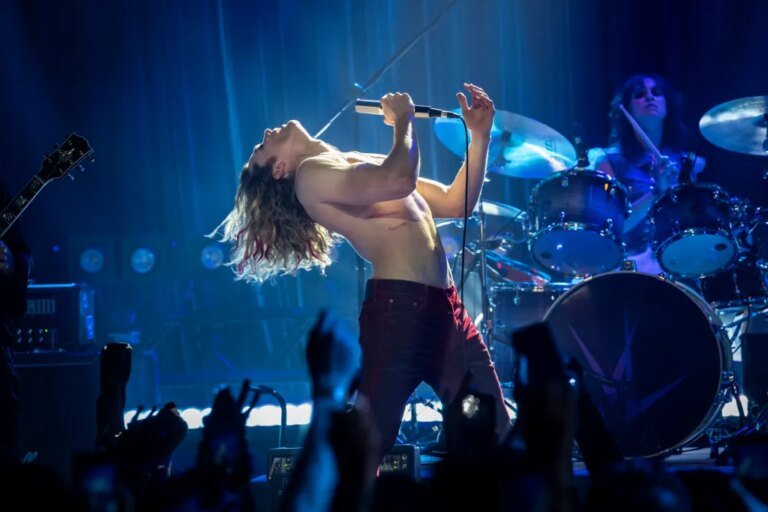
“Billy is such a legend,” said 20-year-old Sombr, who named “Eyes” as one of his favorite songs. “He’s managed to blur the lines between rock and pop in such a timeless way. His songs are a huge inspiration to me.”
Idol chronicles his life, including struggles with addiction, in a new documentary titled “Billy Idol Should Be Dead.” This summer, he will embark on a tour, including a week-long stop at the Fontainebleau in Las Vegas.
During a recent conversation in his dimly lit living room, filled with books and VHS tapes, Idol and his longtime guitarist and co-songwriter, Steve Stevens, delved into their creative process as well as Idol’s complicated history with John Lydon, also known as Johnny Rotten. The two have collaborated with former Sex Pistols members in a group called Generation Sex.
When asked about the resurgence of “Eyes Without a Face,” Stevens credited the song’s “lyrics, the melody, a bit of crazy guitar” as factors contributing to its lasting appeal. Idol acknowledged the risks involved in releasing a ballad at the time but felt it was justified once the iconic guitar break was added. “With Keith Forsey’s production, we avoided some traps,” he explained, referencing the common pitfalls that ensnared many acts of the era.
Idol reflected on his unique approach to songwriting, noting that he intentionally avoided crafting a typical love song. “It’s the opposite of what a lot of other ’80s songs were like,” he said. “Instead of ‘True Colors,’ it was: This is the end of the world — and it’s getting worse.”
Stevens shared his perspective on blending guitar work with dance grooves, stating that it was a chance to innovate during a time dominated by flashy guitar solos. Resisting the trend of prioritizing flashy displays, he emphasized the importance of purpose behind every song. Idol, recalling his influences, stated, “We learned from what [The Beatles and Bowie] were doing,” emphasizing the need for performance to transcend mere instrumental play.
The conversation also turned to Idol’s early image as a sex symbol in the MTV era. “I was doing it a bit deliberately — the shirt off, showing my body,” he admitted. “I wanted to project a sexy element into punk because that’s one thing that was missing from it.”
Discussing today’s music landscape, Idol mentioned the younger artist Yungblud as a potential successor to the rock legacy, noting that he reminds him of himself in his youth. He expressed excitement about the resurgence of rock music, citing experiences at concerts that defy commercial expectations, like when he saw the band Geese in Paris and was impressed by their originality.
Idol also touched on the sense of disillusionment among today’s youth, drawing parallels to the sentiments that inspired his own band, Generation X. “I think Americans are suffering in the same way the British were suffering in the ’70s and ’80s,” he said, reflecting on the challenges and anxieties of modern life. Despite the turmoil, Idol sees a revitalization of rock music as a sign that the genre is evolving and thriving.
Though he has had a complicated relationship with Lydon, Idol noted, “We played a festival together in England last year…I didn’t talk to him but I did go and watch Public Image.” He acknowledged tensions over his collaboration with former Sex Pistols members but maintained that it was never intended to overshadow Lydon. Rather, it was an effort to perform for the fans.
As the conversation shifted to the Rock & Roll Hall of Fame, Idol expressed mixed feelings about its recognition of punk music. “The Sex Pistols famously didn’t show up for their induction,” he noted, adding that while many influential punk groups remain overlooked, his recent experiences have been positive. “Running into everybody backstage, it was a really fun night,” he reflected on a recent induction ceremony.
Stevens remarked on the evolving nature of the Hall, suggesting that its current direction is more inclusive than its initial approach. Idol lauded his early recognition by influential music publications but acknowledged the challenge new artists face in gaining traction in a fast-changing industry.