How Three Arts, Constantin, and Briarcliff Brought Pic to Screen in Eight Years and Welcomed Gore Verbinski Back
Gore Verbinski, renowned for his work on the Pirates of the Caribbean franchise, is making his return to the big screen after a decade with the release of Good Luck, Have Fun, Don’t Die. This film, produced by Briarcliff Entertainment, underscores the commitment of financiers and distributors to support visionary filmmakers, regardless of box office outcomes.
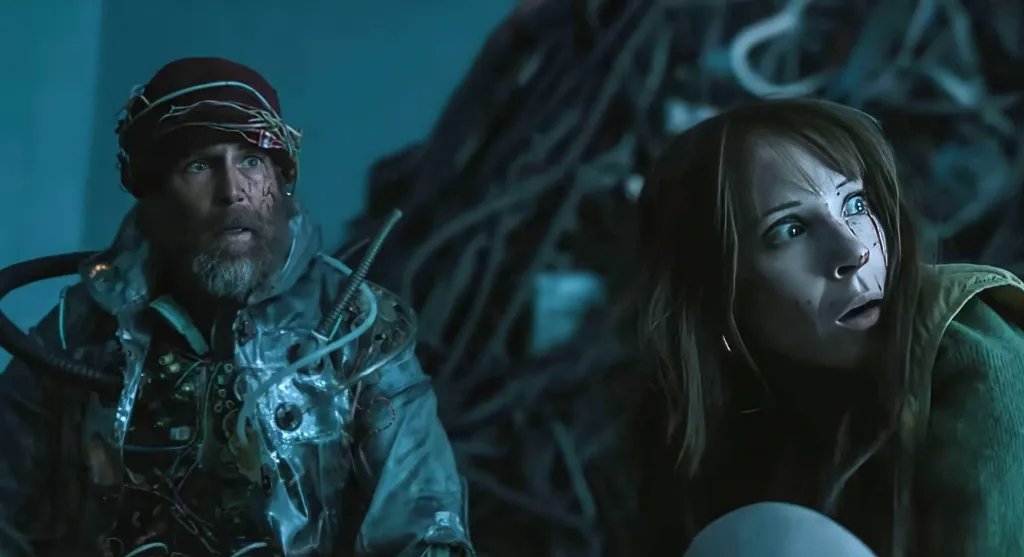
Verbinski’s new project, which showcases a unique original screenplay, centers on a character from a dystopian future who arrives at an L.A. diner. There, he recruits disenchanted patrons to combat an existential threat posed by artificial intelligence. This venture follows Verbinski’s previous film, 2016’s A Cure for Wellness, and marks a bold narrative choice for the Oscar-winning director.
The development of Good Luck, Have Fun, Don’t Die spanned eight years, originating from a 26-page TV pilot titled Don’t Trust Anyone Under 30, created by Matthew Robinson, who co-directed The Invention of Lying. Initially, the pilot featured a literary major struggling to engage students, but as the script evolved, it adopted a more expansive plot focusing on futuristic themes.
Erwin Stoff, a partner at 3 Arts Entertainment and producer of the film, highlighted the growing importance of AI in contemporary discourse, stating, “As time went on, the subject matter of AI only became more relevant and timely.” Stoff emphasized the urgency felt by Robinson, who insisted that the film needed to be made promptly to remain relevant.
After multiple attempts by others to bring the project to fruition, Stoff recognized Verbinski as the right director for the job. “He responded with the enthusiasm of a gladiator,” Stoff noted, reflecting Verbinski’s determination to helm the project. Utilizing his long-standing partnership with producer Denise Chamian, Verbinski formed a strong cast that includes Sam Rockwell, Juno Temple, Haley Lu Richardson, Michael Peña, and Zazie Beetz.
Produced at a budget of approximately $20 million, the film was shot in South Africa, known for its cost-effective production environment. The locale served as a stand-in for Los Angeles, allowing for the recreation of Norms diner in Cape Town. The film’s journey from conception to screen took nearly three years.
Screenings for potential buyers were organized by CAA Media Finance and the Gersh Agency, with Briarcliff Entertainment emerging as a key player. Known for its success with The Apprentice, the studio appreciated the film’s offbeat, Terry Gilliam-esque vibe, an aesthetic aligned with Ortenberg’s previous experiences.

Marketing efforts drew heavily from the film’s artistic inspirations, particularly the whimsical styles associated with Monty Python and Gilliam’s work on Brazil. A campaign led by AV Squad produced three distinct posters that visually captured the film’s essence.
The film made its world premiere at Fantastic Fest in Austin, also screening at BeyondFest in Los Angeles and the Palm Springs International Film Festival. The marketing strategy featured innovative promotional tactics, including a banner flown over Silicon Valley and a ticket giveaway aimed at individuals recently affected by job losses due to AI.
In a celebratory atmosphere reminiscent of the film’s themes, the L.A. premiere featured a recreation of the Norms diner and an energetic party, amplified by a live DJ set. A TikTok fan-edit competition invited participants to use high-quality footage from the movie to create and share their own artistic videos.
Stoff emphasized the importance of financial backers like Constantin for projects of this nature, noting, “It takes this kind of determination to make movies like this and show theatrically.” Producer Obst echoed these sentiments, warning against the dangers of self-censorship in filmmaking.