
How the Met Gala Showcased Billionaire Glamour: A Look at Jeff Bezos and More
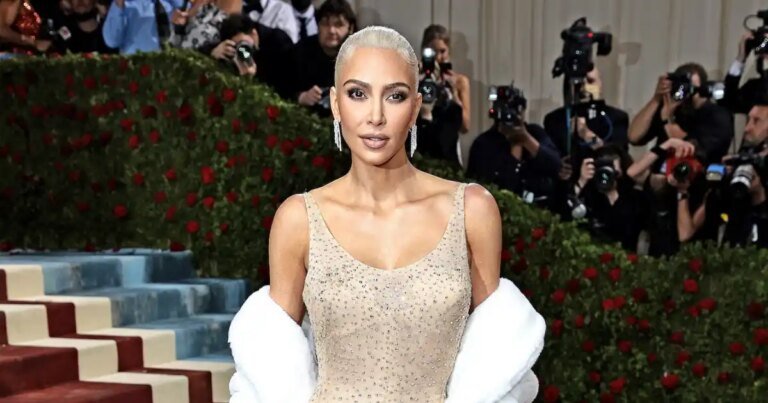
The Met Gala, an annual event known for its blend of glitz and controversy, is set to take place on May 4 this year. The upcoming gala has reignited debates surrounding its theme and sponsors, leaving many questioning the appropriateness of Karl Lagerfeld as the 2023 theme and TikTok’s recent designation as a national security threat by the U.S. government as a 2024 sponsorship choice. The perennial inquiry into the extremes designers will go to in altering celebrities’ appearances, particularly Kim Kardashian’s waist, also resurfaces.
The 2026 gala, which will accompany the exhibition “Costume Art” featuring pieces from various curatorial departments of the Metropolitan Museum of Art, has incited particular discord. New York City Mayor Zohran Mamdani, elected amid escalating concerns about income inequality, has announced his decision to forgo attending. In a recent interview with Hell Gate, he stated, “My focus is also on affordability and making the most expensive city in the United States affordable, and that’s what I’m looking to spend a lot of my time focused on.”
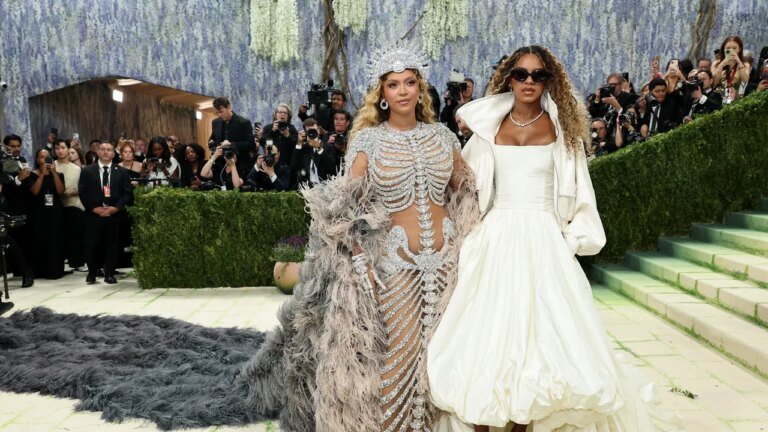
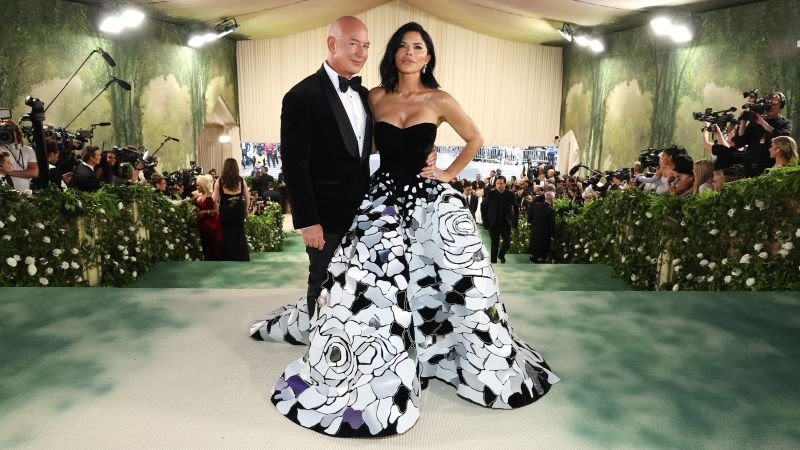
In a shift from typical gala sponsorship, this year’s event will be primarily backed by Jeff Bezos, co-founder and executive chair of Amazon, along with his wife, Lauren Sánchez Bezos, who will also serve as honorary chairs. Traditional hosts like Beyoncé, Nicole Kidman, and Anna Wintour continue to be involved, while Saint Laurent underwrites the exhibition catalog.
Following the announcement of the Bezoses’ sponsorship, social media users—enthusiastic followers of the Met Gala—began advocating for a boycott. Actual protests have emerged, organized by groups such as Everyone Hates Elon, which have blanketed New York City with flyers urging a boycott of the event. One poster critiques Amazon’s labor practices, stating, “The Bezos Met Gala: Brought to you by worker exploitation.”
Despite these criticisms, the Met Gala is known for generating significant funds; last year’s event raised an impressive $31 million, significantly more than the $3.3 million raised during the New York Philharmonic’s Opening Gala in 2025. Max Hollein, the museum’s director, noted the gala’s role in the historical tapestry of American philanthropy, stating, “Right now, maybe there’s an added layer of scrutiny, an added layer of attention to that, but we will always be grateful for that support from various different sources.”
The Met Gala serves as the main fundraising event for the museum’s Costume Institute, which boasts a collection of over 33,000 items spanning seven centuries. The funds collected support not just acquisitions but also the institute’s reference library, conservation lab, and staff salaries. Hollein emphasized the unique challenges of preserving fashion and costumes, noting that they require more resources than traditional artworks.
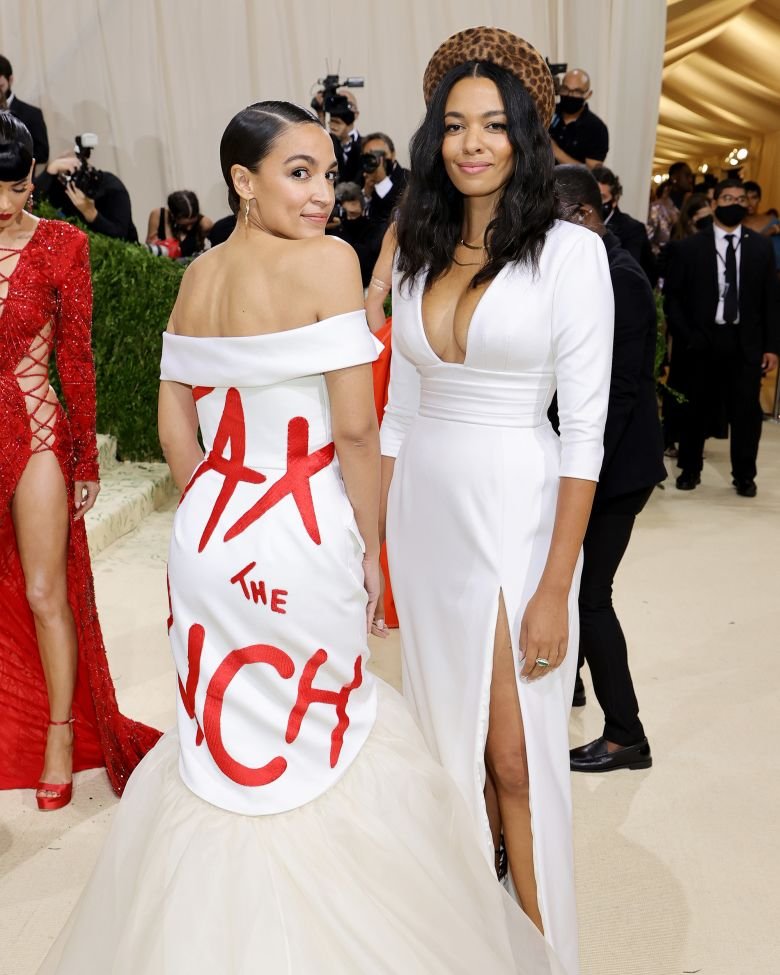
The spectacle surrounding the gala has increasingly garnered criticism, particularly regarding its extravagant ticket prices. Individual tickets for the 2026 event will cost $100,000, while tables are priced at $350,000, with access granted only through invitation. This high-profile nature often invites scrutiny, as seen when Rep. Alexandria Ocasio-Cortez donned a dress reading “Tax the Rich” in 2021. Making waves again, Jack Schlossberg, now a congressional candidate, also called for a boycott last year, citing broader social issues.
Added layers of public dissent are tied to the Bezoses’ involvement. On the morning of the gala, organizations including the Service Employees International Union will hold a “Ball Without Billionaires,” showcasing workers from Amazon and other companies as models for ethically-minded designers.
“If there is that money to sponsor this gala, there should also be money to pay the workers fairly,” remarked Cindy Castro, a designer participating in the event. Workers like April Watson, from an Amazon warehouse, have voiced their concerns over working conditions, emphasizing the pressure to meet performance metrics.
An Amazon spokesperson responded, asserting the company’s commitment to worker safety and coining performance assessments as flexible rather than fixed quotas. Although this will not be Bezos’s first time as honorary chair—he held the title in 2012—public perception has shifted dramatically as his net worth has surged from around $18.4 billion to an estimated $224 billion today.
As Watson points out, the perceived chasm between Bezos’s wealth and that of everyday workers has only widened, leaving her feeling overlooked. The Bezoses’ recent appearances and lavish lifestyle underscore this disparity, leading to heightened scrutiny.
Yet, Hollein noted that the gala could not only promote fashion as an art form but also raise necessary funds vital to its initiatives. “What is important is that you need to evaluate the integrity of the institution,” he said.
Hollein’s remarks encapsulate the challenges and critical conversations surrounding the Met Gala. “A museum is not a donors’ playground, but a place for the world to access art,” underscored Watson, highlighting the institution’s purpose.