
How Much Does Fashion Reflect What We Saw in ‘The Devil Wears Prada’?
The Enduring Influence of "The Devil Wears Prada" in Fashion
When "The Devil Wears Prada" premiered in 2006, it captivated audiences and critics alike, grossing over $300 million and earning Academy Award nominations for Meryl Streep and costume designer Patricia Field. The film’s sharp satire of the fashion magazine industry left a lasting impression on viewers, showcasing the glamorous yet intense world of high fashion.
However, the response within the fashion industry was quite different. Anna Wintour, the Vogue editor on whom the character Miranda Priestly is based, initially dismissed the film. In her 2022 biography "Anna," author Amy Odell recounts Wintour stating, “I cannot remember who that girl is,” upon learning about the story’s origins from her former assistant, Lauren Weisberger. Although Wintour later attended a screening dressed in Prada, her ambivalence toward the film signified a disconnect with its portrayal of the industry.
Critics from within the fashion world, including Anne Slowey of Elle magazine, voiced their discontent about the film’s costumes. In a 2006 interview with The New York Times, Slowey described the outfits as “a caricature of what people who don’t work in fashion think fashion people look like." Those within the walls of Vogue shared similar sentiments. Plum Sykes, a longtime contributing editor, reflected on the disdain for portrayals of the fashion industry, noting, “We were terribly snobbish and disparaging about everyone else’s clothes.”
Sykes humorously recalled specific fashion faux pas from the film, such as the "gopping" Chanel boots worn by Anne Hathaway’s character Andy Sachs. She explained that a more realistic styling during that era would have involved mixing various designers rather than head-to-toe looks from one brand.
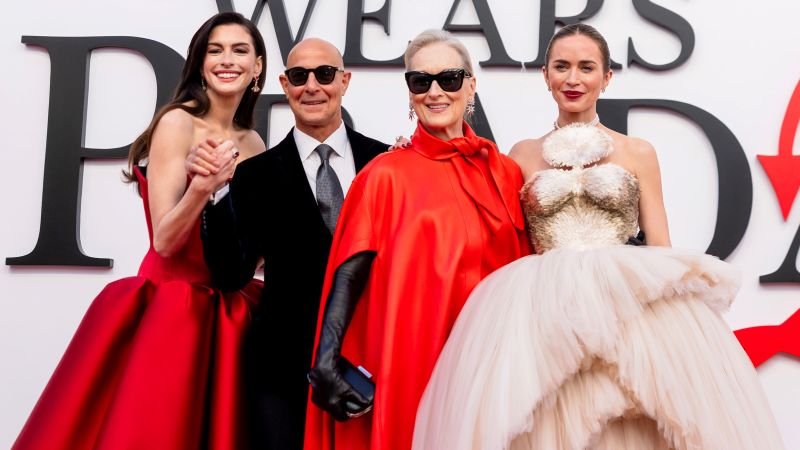
The film’s costumes, described by Rogers, the sequel’s designer, as “timeless,” were initially thought of by Field as an expression of “heightened reality.” Two decades later, as the sequel is set to release, many fashion insiders have developed a nostalgic appreciation for the film’s exaggerated aesthetic. Vogue has taken a proactive role in marketing the sequel, with Wintour herself appearing alongside Streep on the magazine’s cover. Reports suggest Wintour even visited the film set, offering advice on visual details such as bouquet colors.
Despite these endorsements, a Vogue spokesperson clarified that there is no financial connection between Disney, the film’s production house, and Conde Nast, Vogue’s publisher.
Looking ahead, the sequel is projected to generate nearly $200 million globally. Fashion expert Odell attributes its success to perfect timing, aligning with a cultural moment that recalls the pre-recession glamor of magazines. She noted that the film arrived just before the industry faced significant changes, including major economic downturns that would affect publications like Vogue.
Today, fashion and publishing are grappling with new challenges. Brands are seizing opportunities within this cultural phenomenon, leading to promotional tie-ins that reflect a shift in the industry’s stance. Old Navy, for example, sells a capsule collection inspired by the film’s iconic moments, illustrating a commercial embrace of what was once ridiculed.
The film’s iconic fashion, including the much-discussed Chanel boots originally priced at $1,500, now fetches over $4,000 in resale markets. Field’s impact continues to resonate, influencing contemporary projects such as Netflix’s "Emily in Paris."
As audience expectations evolve, fashion experts like Chelsea Fairless suggest that the costuming in both "The Devil Wears Prada" films reflects a more realistic portrayal of industry insiders, noting a shift in how fashion is presented. Designers are now more eager to collaborate than they were two decades ago, viewing their products as part of a larger narrative.
However, as costume designer Rogers navigates this landscape, she emphasizes the importance of creative integrity over commercial considerations. For her, modern fashion narratives must prioritize authenticity over mere branding.
With the sequel, the fashion industry, which once criticized the film, faces its own contradictions. Audiences inclined toward nostalgia are drawn to depictions of flamboyance, while many insiders lean toward a more understated aesthetic.
As red carpet culture and social media shape today’s fashion landscape, it raises a critical question about the future direction of style: who will define what we wear next?