
How the BBC Overlooked a Key Racial Comment That Might Shape the 2026 BAFTA Film Awards
Unexpected Incident at BAFTA Awards Casts Shadow on Celebratory Evening
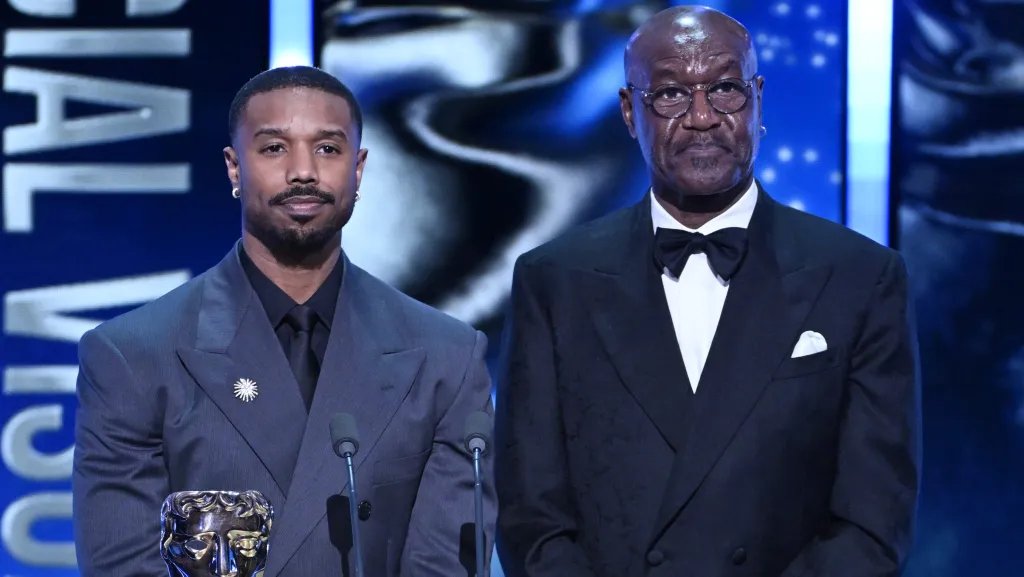
During the recent BAFTA Awards, an unexpected incident involving John Davidson, a prominent advocate for Tourette syndrome, brought a complex mix of triumph and controversy for the films Sinners and I Swear. The evening unfolded as Sinners stars Michael B. Jordan and Delroy Lindo presented the award for Best Visual Effects, unaware that Davidson, the subject of I Swear, would make headlines for his involuntary verbal tics.
As Jordan and Lindo addressed the audience, Davidson made an unintentional outburst that included a racial slur. Davidson’s condition means he cannot control certain verbal tics, a reality explored in Robert Aramayo’s portrayal of him. Although the presenters appeared briefly stunned, they quickly regained composure and awarded the VFX prize to Avatar: Fire and Ash.
However, the situation escalated when the ceremony aired on BBC, which typically broadcasts the event on a two-hour delay. Despite having this buffer, Davidson’s slur was inadvertently included in the broadcast. Though the N-word was not clearly audible, the interruption was unmistakable to viewers aware of what had transpired.
The incident remained available on iPlayer, the BBC’s streaming service, for nearly 15 hours before the network issued an apology and removed the content to edit out the offensive language. A BBC spokesperson acknowledged that the language arose from Davidson’s involuntary tics and expressed regret over the failure to edit the broadcast.
Warner Bros., the studio behind Sinners, has indicated that it raised immediate concerns with BAFTA representatives following the incident. The company sought assurances regarding an edit for the BBC broadcast and continued to communicate with BAFTA’s leadership throughout the evening’s events.
A source within the BBC noted that the incident was treated as a "highly sensitive" issue, and clarified that there was no intention to broadcast the slur. Discussions on how to prevent such occurrences highlight ongoing challenges in live event broadcasting.
In addressing the fallout, BAFTA released a statement emphasizing the impact of the incident. A spokesperson noted, “Our guests heard very offensive language that carries incomparable trauma and pain for so many. We take full responsibility for putting our guests in a very difficult situation.”
Davidson himself, having chosen to leave the auditorium out of consideration for others, was recognized for his handling of the situation. BAFTA acknowledged the dignity exhibited by both Davidson and the presenters, reaffirming their commitment to inclusion in the future.
The incident draws parallels to previous controversies faced by the BBC regarding live broadcasts, suggesting the need for ongoing adaptation in event management. As the organization reflects on this experience, it remains committed to ensuring that all guests feel respected and included at future events.