
How Producers Are Breathing New Life into Abandoned Hollywood Ideas with AI
The rise of artificial intelligence has spurred concern over its impact on employment and creative processes. However, filmmakers Amy Hobby and Avi Zev Weider are exploring a different potential of the technology: the revival of forgotten ideas. The duo is set to launch a new podcast titled Films Not Made, which seeks to breathe life into abandoned pitches with the help of generative AI.
Last summer, while cleaning her garage, Hobby uncovered a collection of neglected project pitches. Over coffee with Weider, they reminisced about artistic endeavors that failed to materialize. This inspired them to create a platform to rejuvenate these lost concepts using tools that would have seemed futuristic when the ideas were originally conceived.
Watch on Deadline
The podcast will debut on March 3 and will feature guests like Shrek 2 director Conrad Vernon, Sideways writer Rex Pickett, and Dear White People producer Effie Brown. Each episode invites these creatives to revisit projects that slipped through their fingers. Weider, known for his work on Netflix’s Surviving Jeffrey Epstein and Hulu’s I Am Greta, will process the guests’ pitch materials, scripts, and supporting documentation through AI models such as Sora 2, with the outcomes discussed in real-time during the podcast.
In an early episode, Hobby and Weider explore Poodle Power, which narrates the true story of a man who raced poodles in Alaska’s Iditarod Trail Sled Dog Race. Despite many iterations over a decade, the project never reached fruition. Utilizing AI, Films Not Made reimagines Poodle Power as a prototype of neo-2D animation. The episode concludes with a mock “Netflix” trailer, eliciting laughter from the hosts due to its over-the-top nature.
“Tragedy plus time equals comedy,” Hobby remarked, viewing Films Not Made as a form of catharsis. The podcast aims to help guests find closure on their past creative endeavors and reflect on how their failures informed future successes. Hobby expresses a desire for the project to cultivate a “little community” that uplifts the spirits of those grappling with lost opportunities, especially in a climate where job losses are prevalent.
When asked if any guests have been wary of the podcast’s AI integration, Weider noted, “We’ve had guests on who are not into AI and that’s part of the conversation.” He clarified that they are not proponents of AI but rather curious about its intersection with creativity. He believes AI is now a pervasive reality in the industry and suspects that many studios are already incorporating AI tools into their decision-making processes.
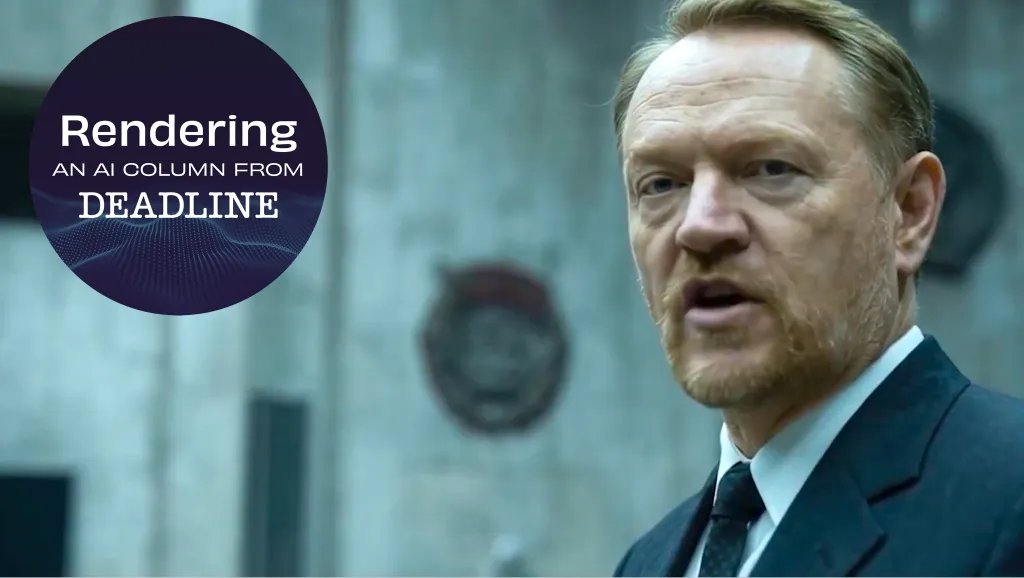
Films Not Made also addresses the nuanced discussions surrounding personal image rights and copyright issues. During the revival of projects, Weider will suggest specific actors for potential casting. One pitch leads to an AI-generated trailer featuring actor Jared Harris. Hobby has a personal connection to Harris, making her comfortable with invoking his likeness in the podcast materials. Weider argues that actors are fair game in this context, as the podcast aims to be harmless.
“We’re all breathing in the same air now,” Weider explains. “These tools exist. They’ve been trained on everything. Actors, filmmakers, books, scripts, art, all of us — we’ve been swept into something none of us consented to. That’s the atmosphere. The question is what you do once you’re breathing it in.”
While Hobby envisions Films Not Made providing emotional closure for its guests, Weider harbors a more concrete hope: “In my heart of hearts, I would love it if one of these got made. If somebody watched or heard the podcast and was like, ‘That’s a f***ing good idea.’”