

Homelessness Numbers in Orange County Show Improvement Since 2024
Orange County Homelessness Survey Reveals Significant Reductions
A recent survey conducted in January reveals a notable decline in homelessness across Orange County, with a reported 6,321 individuals identified as homeless. This represents a 13.7% decrease compared to counts from two years ago, as officials announced on Monday.
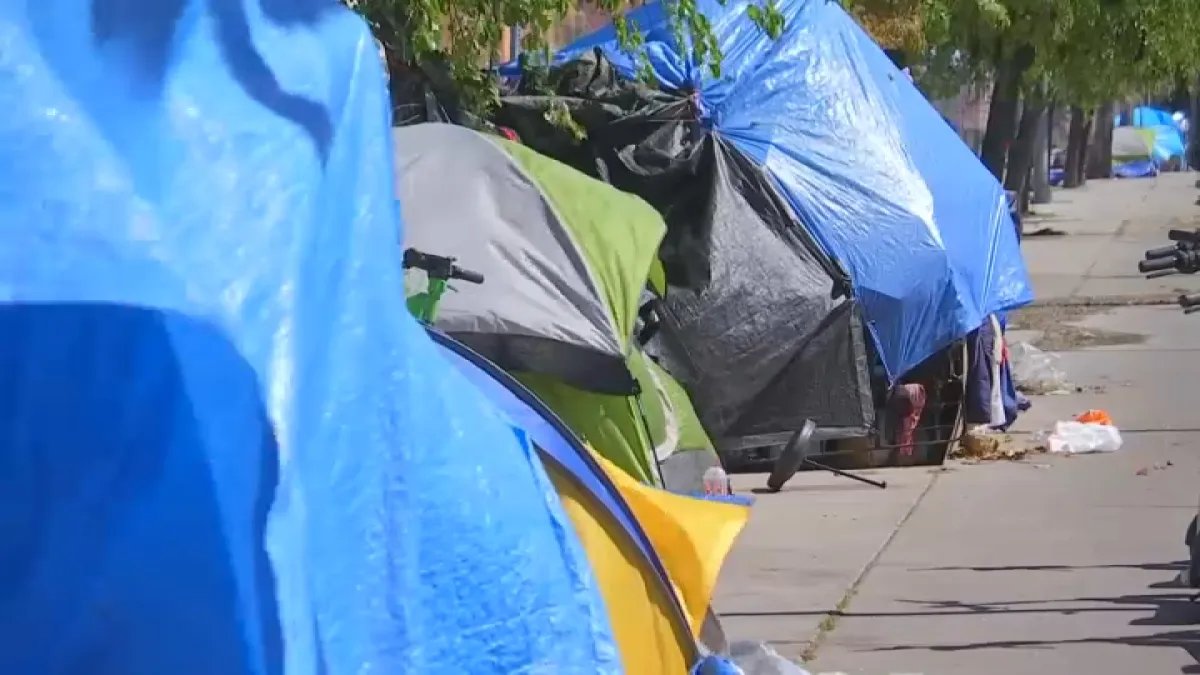
The bi-annual Point In Time count highlighted a substantial 26.6% drop in the number of unsheltered individuals. For the first time, the count revealed that more people were residing in emergency shelters or transitional housing programs—3,256 individuals—than those living on the streets, which numbered 3,065.
Doug Becht, director of the Office of Care Coordination, described this finding as "incredibly meaningful," emphasizing that it indicates that a majority of those experiencing homelessness are seeking services for shelter and housing. “Over the last 10 years we have built an effective and comprehensive system of care to address homelessness,” Becht noted.
The recent count, which took place from January 26-29, involved 30 to 40 staff members on each shift. While there was a slight 3% increase in the sheltered population compared to the 2024 data, this rise was anticipated due to an expansion of services. Becht attributed the extended stays of some individuals in transitional housing programs to a shortage of affordable housing.
Despite these challenges, Becht highlighted that the county has seen an overall 8% reduction in homelessness since 2019. "We are incredibly proud" that homelessness has decreased in the aftermath of the COVID-19 pandemic, he emphasized.
Geographically, the survey found that the northern part of the county had 2,894 homeless individuals, while the central region reported 2,919 and the southern area counted 508.
Key findings from the survey include:
- Demographics of the homeless population: 206 veterans, 245 individuals aged 18 to 24, and 882 seniors aged 62 and older.
- Among the unsheltered, there were 140 veterans, 93 individuals aged 18 to 24, and 361 seniors.
- Of the sheltered population, 66 were veterans, 152 were aged 18 to 24, and 521 were seniors.
- Gender distribution revealed that 28.91% of the unsheltered population and 45.55% of the sheltered were female.
- Chronic homelessness statistics indicated that 41.11% of the chronically homeless were unsheltered, while 53.78% were in shelters.
- Nearly half (45.04%) of the unsheltered population reported having a substance abuse disorder, compared to 26.04% among those in shelters.
- Physical disabilities affected 34.82% of the unsheltered and 28.62% of the sheltered.
- Mental health concerns were evident, with 32.89% of the unsheltered and 37.85% of the sheltered facing serious mental illness.
- Employment findings showed that 63.56% of those surveyed were unemployed, while 13.31% were employed in some capacity, and 13.46% were retired or disabled.
- Financial issues were cited by 52% as the primary reason for homelessness, with 20.18% attributing their situation to relationship problems, and nearly 11% citing health and safety factors.
Becht acknowledged a "cascade effect" stemming from the affordable housing shortage, indicating that individuals ready to transition from homelessness to stable housing are occupying spots needed for those entering programs. He remains hopeful that ongoing efforts in homeless services will continue to yield positive outcomes for Orange County’s vulnerable populations.