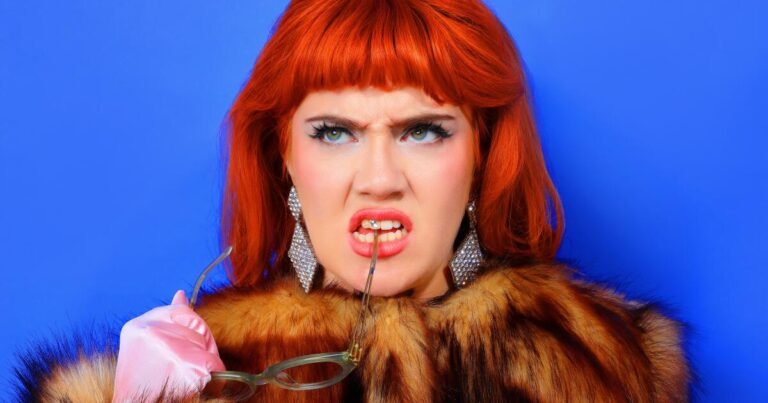


Hilary Duff Focuses on Embracing a Healthier Mindset
Hilary Duff’s much-anticipated return to music is marked by her new album, “Luck… or Something,” produced at her husband Matthew Koma’s studio near the Van Nuys Airport. The cozy atmosphere, which is adorned with a sparkling pink electric guitar Duff received for her 16th birthday, is a fitting backdrop. “I found it in the storage unit, and Matt was like, ‘Oh, that’s going up there,’” she recounted recently.
Before Miley Cyrus, Sabrina Carpenter, and Olivia Rodrigo emerged as young stars, Duff defined early 2000s pop culture as a Disney Channel icon. She gained fame in the title role of “Lizzie McGuire” and appeared in family films like “Agent Cody Banks” and “Cheaper by the Dozen.” By the time she received her cherished guitar, she had already reached the top of the Billboard 200 with her successful album “Metamorphosis,” which sold 4 million copies and featured hits such as “So Yesterday” and “Come Clean.”
Taking a break from music during her 20s to focus on acting and family, Duff faced challenges—her attempted comeback album in 2015, “Breathe In. Breathe Out.,” did not achieve widespread success. Now, at 38, she returns with a candid record that reflects her experiences as a wife, sister, and mother of four.
The album features frank and intricate songs that blend guitars and synths with emotive lyrics. Tracks like “We Don’t Talk” seemingly touch upon her estrangement from her sister, Haylie, while “Weather for Tennis” reveals her childhood struggles as a child of divorce. The song “Holiday Party” humorously depicts a recurring dream in which Koma cheats on her with her friends. “I wake up in a rage and he’s like, ‘I didn’t do anything!’” she laughs, illustrating her post-baby hormonal adjustments.
Koma, a well-known producer with a background in work with Zedd and Shania Twain, emphasized the project’s personal importance over commercial success: “Public perception or sales, that’s all cool, but it’s a separate experience from why we did it. The whole purpose was to make something that Hilary could feel good about stepping into.”
Nostalgia coupled with her upcoming tour has led to sold-out shows, including performances at Inglewood’s Kia Forum on July 8 and 9. However, Duff’s return to the spotlight was recently complicated by a viral essay from fellow millennial Ashley Tisdale. In it, Tisdale discussed leaving a “toxic mom group,” allegedly including Duff and Mandy Moore.
In the control room of the studio, Duff expressed a newfound acceptance of her past: “I’m finally at this place where I’m zero percent ashamed of my past and any of the things that used to embarrass me.” This attitude was evident in her decision to open her recent concerts with hits “Wake Up” and “So Yesterday.”
One of the standout tracks, “Roommates,” delves into the struggles of maintaining intimacy in marriage. The stark and evocative lyrics capture moments of vulnerability: “I only want the beginning / I don’t want the end.” Duff explained that the surprising word choices aim to reflect raw emotions. “It’s meant to be polarizing because it’s such a desperate plea,” she said.
The challenges of navigating public scrutiny and growing up as a pop figure have informed Duff’s perspective on motherhood and personal identity. As she juggles four children—three daughters with Koma and a son from her previous marriage—she acknowledged the pressures and conflicting emotions that come with motherhood. “I love motherhood, obviously—I wouldn’t have four kids if I didn’t,” she said, humorously referring to her family dynamics.
Discussing the lessons learned from her time in the industry, Duff noted that her earlier career experiences, including her feelings of being forced into certain song choices, have informed her approach to her current work on the new album. Reflecting on the stigma associated with being a “fan,” she expressed her desire to connect with her audience on a more personal level. “I feel more like a woman of the people,” she stated.
As she tours and shares her new music, Duff is acutely aware of the cultural pressures facing mothers and the duality of pursuing personal passions amidst family commitments. The journey back to her career has been liberating, offering her a fresh platform to voice her experiences in a relatable manner.
In her view, music should resonate with shared life experiences. “Life is life-ing” speaks to the daily struggles that many face, an acknowledgment Duff hopes will bond her more closely with her audience, irrespective of their parenting status. As she embarks on this new chapter, Duff’s reflections reveal an artist committed to growth, authenticity, and meaningful connection.