
Health’s Journey from Underground Nights at Smell to a Sold-Out Show at the Palladium
Health Reflects on Two Decades of Musical Evolution and Cultural Influence
Health, the L.A. band that emerged from the underground music scene, recently achieved a significant milestone by selling out the Hollywood Palladium, marking their largest hometown headline show in nearly 20 years. Originally a fixture in the downtown DIY scene, the band is celebrated for its loud and boundary-pushing sound.
While many bands from that era have disbanded, Health has continued to evolve, incorporating elements of electronic music, metal, and industrial rock into their work. Their latest album, “Conflict DLC,” reflects this evolution, solidifying their stature not only in the music world but also within gamer culture, where their contributions to video game soundtracks have resonated with audiences.
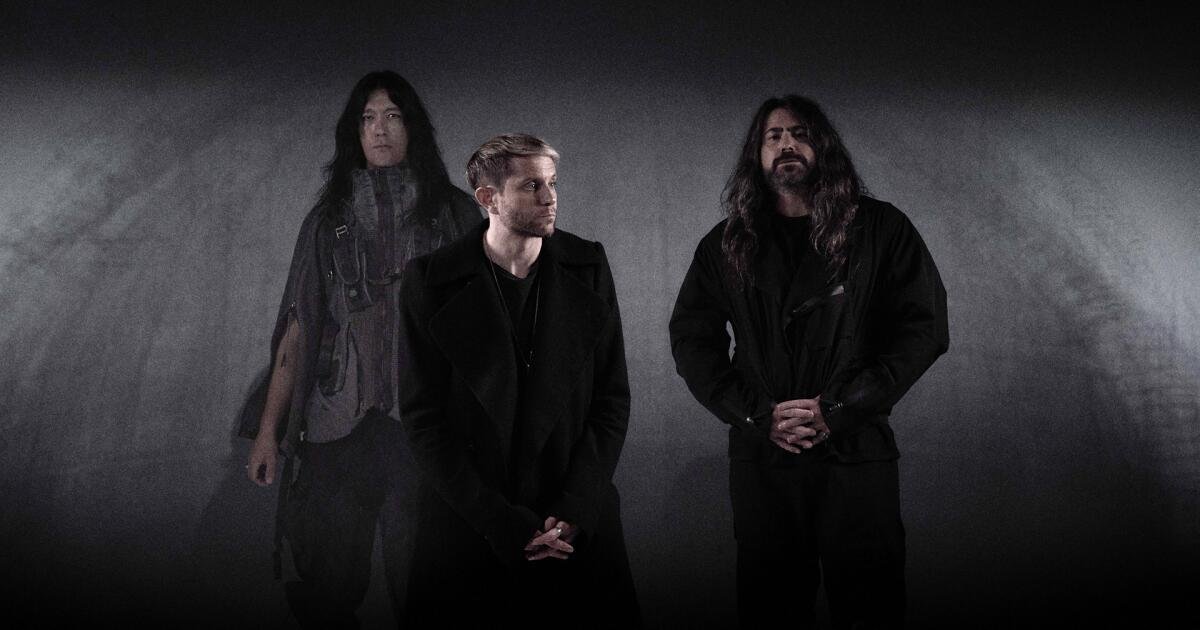
In a recent interview, band members Jacob Duzsik (vocals and guitar), B.J. Miller (drums), JD (vocals), and John Famiglietti (bass and electronics) discussed the impact of L.A.’s DIY scene on their music and careers. “We were part of a very insular, transgressive underground art scene,” Duzsik noted, emphasizing that their early goals focused more on touring smaller venues than achieving mainstream success.
Miller pointed out, however, that their ambition grew quickly; they found themselves opening for Nine Inch Nails just a year after their formation. “The music that we were inspired by at that time… never had a broad appeal,” JD added, reflecting on their journey to play at festivals and gain international recognition.
Health’s ability to adapt and innovate has kept them relevant across various musical genres. Famiglietti explained, “Since we weren’t pigeonholed by any scene, we’ve been able to shuck and jive and move to different eras.” This flexibility has helped them navigate industry changes where many contemporaneous bands have struggled with virality-driven resurgences, a path they have not pursued.
Duzsik acknowledged their growth amid changing music consumption habits, particularly in relation to platforms like TikTok, which have helped other bands reconnect with younger audiences. He hopes for a "watershed moment" that complements their steady progress over the years.
Turning the conversation to their fanbase, the band revealed their diverse audience, citing a significant number of young trans fans who resonate with their music. “It’s this beautiful thing that has happened without us trying to capitalize on it,” Duzsik remarked, reflecting on the community’s connection to their work.
The band’s potent live performances have also forged deep connections with fans, with many attendees experiencing their first concert at a Health show. JD recalled the emphasis on live music during their formative years, contrasting it with the pressures new artists face today.
As the band navigates its identity in the evolving landscape of music, they are also grappling with personal and communal loss, touching on recent tragedies in their circle. JD shared his thoughts on the dangers of substance use in the music scene, highlighting a growing concern over accidental overdoses.
Their song "Ordinary Loss" echoes this sentiment and offers a raw reflection on the current social climate. Duzsik described their ongoing exploration of themes around death and tragedy, noting the seriousness with which they approach their art.
Despite these weighty themes, Health remains committed to engaging meaningfully with their fans, retaining a sense of connection that began in the underground clubs of L.A. As they continue their musical journey, the band embodies a blend of resilience, ambition, and an ever-evolving sound that speaks to a broad range of listeners.