

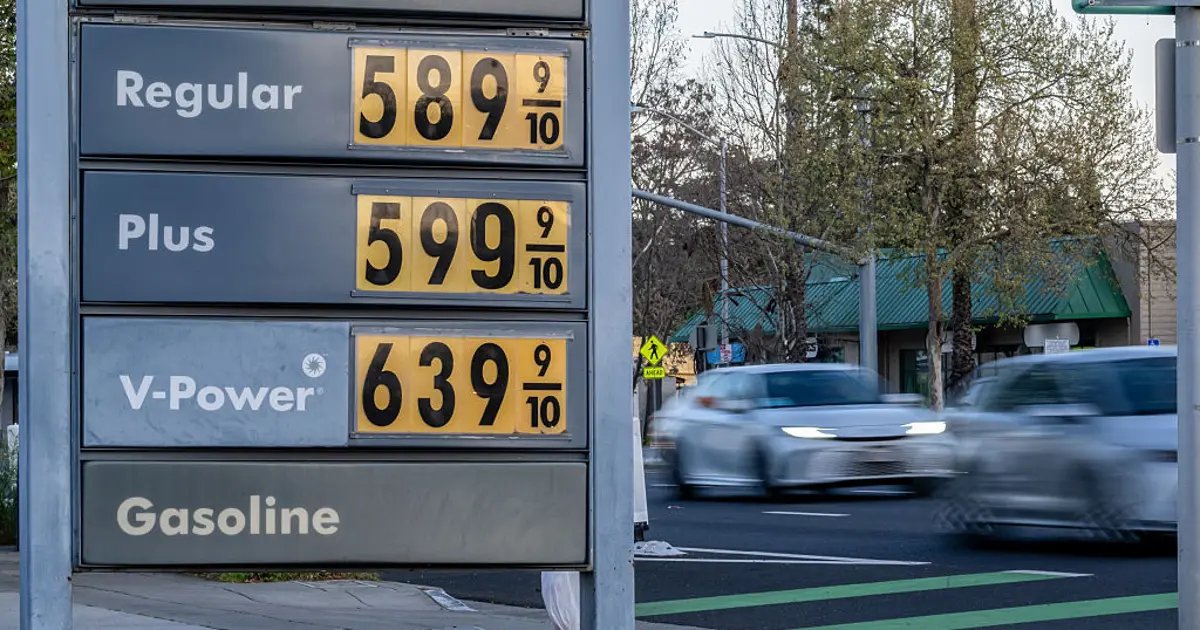
Gas Prices in Southern California Climb to $5.56, Reaching Their Highest Point of 2023
Gas Prices Surge in Southern California Amid Geopolitical Tensions
LOS ANGELES – Gas prices in Southern California have surged to their highest levels since late 2023, primarily driven by ongoing geopolitical instability and escalating refining costs. As of Saturday, March 14, local drivers are contending with prices significantly above the state average of $5.48 per gallon.
In recent days, the situation has intensified, with both Los Angeles and San Diego counties surpassing the $5.50 mark. The upward trend in prices persists, with many regional counties experiencing daily increases for over three weeks. In some areas, prices have jumped more than 10 cents within a single day.
While the U.S. government has initiated a strategic release from the oil reserve, uncertainty remains about whether this action will disrupt the connection between local pump prices and the fluctuating global crude market, where prices exceed $100 per barrel.
Current gasoline prices per gallon in Southern California include:
- Los Angeles County: $5.562 (up 10.3 cents since Friday)
- San Diego County: $5.533 (24 consecutive days of price increases)
- Orange County: $5.530 (up 10.8 cents since Friday)
- Ventura County: $5.495 (based on recent regional trends)
- Riverside County: $5.448 (reflecting a 51-cent weekly rise)
- San Bernardino County: $5.421 (consistent with trends in the Inland Empire)
Kandace Redd, senior public affairs specialist at the Automobile Club of Southern California, noted that oil prices have remained volatile, saying, "Oil prices spiked over $100 a barrel on Monday and continue to be volatile as this conflict continues." She also pointed out that California experiences steeper price hikes than other states due to the high percentage of gasoline refined from foreign crude oil sources.
To address the skyrocketing costs, the U.S. plans to release 172 million barrels of oil from its strategic reserves over the next four months. This initiative is part of a larger historic emergency release of 400 million barrels coordinated by the International Energy Agency to exert downward pressure on global energy markets.
However, analysts caution that fluctuations in oil prices are likely to persist, especially as tensions in the Middle East continue and spring demand approaches its peak.