Filmmakers of ‘Rock, Paper, Scissors’ Share Insights on Bringing the Human Side of the Russia-Ukraine Conflict to Life
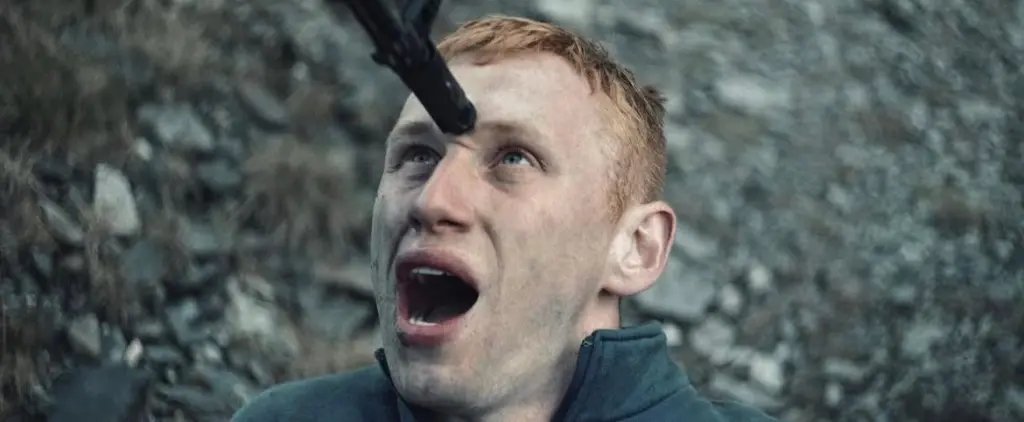
In the realm of war, stark realities emerge: there are no true victors, only casualties. This poignant theme is captured in Franz Böhm’s BAFTA-winning short film, Rock, Paper, Scissors, which portrays the harrowing journey of Ivan (Oleksandr Rudynskyi) as he assists his father (Sergey Kalantay) in operating a makeshift hospital near the front lines of the Russia-Ukraine conflict. When Russian bombings thwart their attempts to relocate, the looming threat of soldiers searching for their bunker forces Ivan into a life-or-death choice: confront the soldiers or deceive them, potentially at great personal risk.
The 20-minute film, produced by Hayder Rothschild Hoozeer and supported by the National Film and Television School, has garnered multiple accolades, including Best Student Film and Best Short Film Grand Prize at HollyShorts London. It has also made the shortlist for the 2026 Oscars.
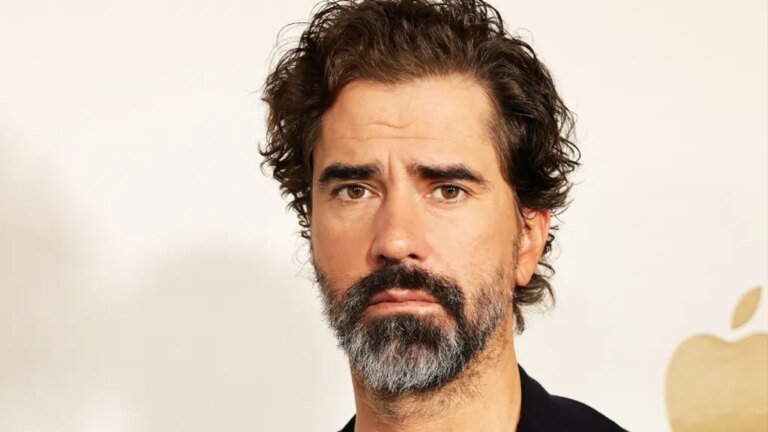
In a recent interview, Böhm reflected on his meeting with Ivan, which profoundly influenced the film. “I met Ivan during his time in the U.K. by coincidence, and we developed a meaningful friendship,” he said. “He shared incredible stories about the impossible decisions he faced during the war, showcasing remarkable bravery and moral courage.” This collaboration eventually resulted in a screenplay co-written with Ivan, who later volunteered for military service.
Hoozeer highlighted that during film production, Ivan was actively present on the front lines in Ukraine. “The events depicted in the story resonate in real time for many Ukrainians. Tragically, Ivan passed away before witnessing the completed film. We felt compelled to change the ending out of respect for his legacy.”
Addressing the challenges of covering such a sensitive topic, Hoozeer mentioned the support from the Office of the President of Ukraine amid active conflict. “We witnessed the quiet bravery and resilience of the Ukrainian people, emphasizing the importance of authenticity in our storytelling,” he said. “Oleksandr Rudynskyi, who portrays Ivan, was deeply motivated to embody Ivan’s character, despite personal losses.”
Böhm underscored the team’s commitment to authenticity, noting they transformed fear into urgency in their work. "Every detail, from sound design to performances, was crafted with care,” he stated.
The technical aspect of the film, specifically the handheld camera style, was deliberately chosen. Böhm explained, “We wanted to be as close to Ivan as possible, allowing the audience to experience the tension through his perspective.” This approach aimed to immerse viewers in his emotional journey, especially during pivotal moments.
The title Rock, Paper, Scissors resonates deeply with the narrative. Hoozeer described it as a reflection of innocence lost amid the harsh realities of war. “It mirrors how Ivan loses his innocence, highlighting that in war, there are no real winners—just survival,” he said.
Böhm emphasized the film’s humanistic focus, stating, “It’s not just about war; it’s about how individuals react when protective systems collapse.” His approach to storytelling aims to illuminate the human experience in dire circumstances.
With accolades piling up, including the Oscars shortlist, Hoozeer shared insights on global reactions to the film. “It humanizes the war experience, focusing on the intricate choices civilians make under pressure,” he observed. “The film’s themes of resilience and sacrifice resonate universally across various audiences.”
Böhm, still in his mid-20s, expressed his dedication to telling impactful stories. “My fascination with film began early in life, shaped by personal loss and a desire to understand different experiences and conflicts,” he said. “I believe cinema serves as a vital tool for societal discussion and understanding, and I remain passionate about crafting narratives that create connections.”
As the conversation concluded, both filmmakers reiterated their commitment to conveying authentic stories that highlight the complexities of human resilience in times of crisis.