
Drake Fights Back Against Dismissal of ‘Not Like Us’ Defamation Case with UMG
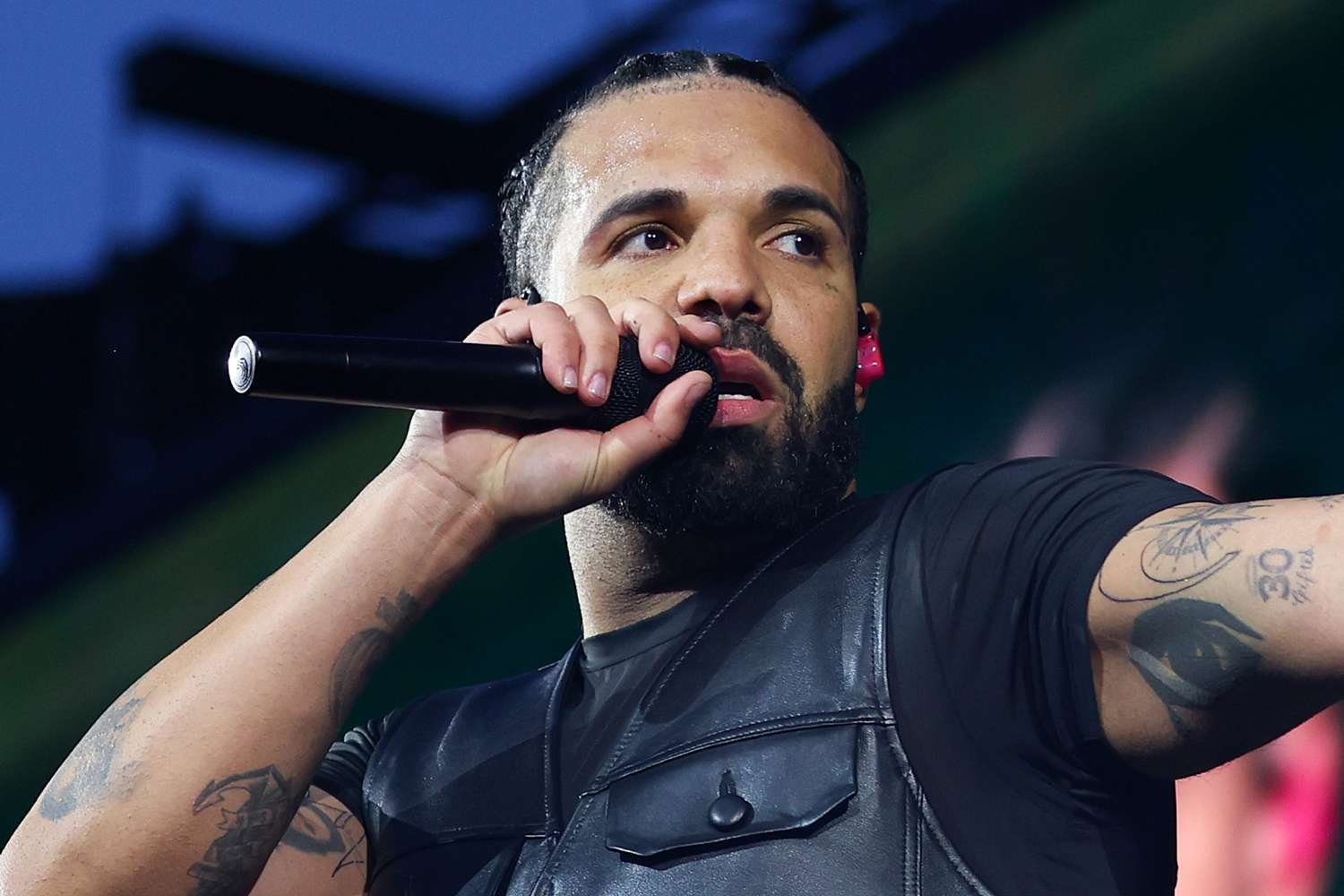
Drake performs in London in July 2025.
Credit :
Simone Joyner/Getty
NEED TO KNOW
- Drake filed an appeal questioning a federal judge’s dismissal of his defamation lawsuit against Universal Music Group regarding Kendrick Lamar’s song “Not Like Us.”
- Attorneys for the Canadian artist asserted that the ruling sets a “dangerous” precedent, suggesting that rap lyrics cannot be defamatory.
- “It is hard to imagine a statement more damaging to one’s reputation and safety than being labeled a ‘certified pedophile,'” Drake’s attorney stated.
Drake has officially appealed the dismissal of his lawsuit against Universal Music Group, which he claims defamed him through Kendrick Lamar’s song “Not Like Us,” released amid an ongoing feud between the two artists. The lawsuit was dismissed by a federal judge in October 2025.
In documents filed on January 21, 2026, Drake, 39, contended that the ruling was dangerous and potentially damaging for future cases involving rap music and defamation claims. The judge’s ruling stated that the language in Lamar’s diss track was not defamatory but part of a larger “vitriolic war of words” within a “heated rap battle.”
Lamar’s song, released in May 2024, contained inflammatory lyrics referring to Drake as a “certified pedophile” and suggested he should be “placed on neighborhood watch.” In their appeal, Drake’s lawyers argued that “millions of people understood [the song] to convey factual information,” resulting in a widespread belief in his alleged wrongdoing.

Drake performs in London in July 2025.
Simone Joyner/Getty
In their filings, Drake’s attorneys expressed concern that the ruling creates an “unprecedented” guideline that rap lyrics cannot represent fact. The documents suggest that if the court’s decision stands, it could shield individuals from accountability for defamatory statements made in rap diss tracks, regardless of the harm inflicted.
Attorney Michael J. Gottlieb highlighted the potential dangers of the label “certified pedophile,” emphasizing its severe implications for Drake’s reputation and safety. “The court’s rule dismisses the risks of serious reputational damage that can lead to violence,” he argued.
Judge Jeannette Vargas, who previously dismissed the suit, stated that while the accusation was serious, the context of a heated rap battle reduces the likelihood that reasonable listeners would interpret the lyrics as factual statements. “Both participants exchanged caustic, inflammatory insults,” she wrote in her decision.
Drake’s legal team has indicated their plan to pursue the appeal vigorously, with hopes of overturning the prior ruling. A spokesperson noted, “We intend to appeal today’s ruling, and we look forward to the Court of Appeals reviewing it.”
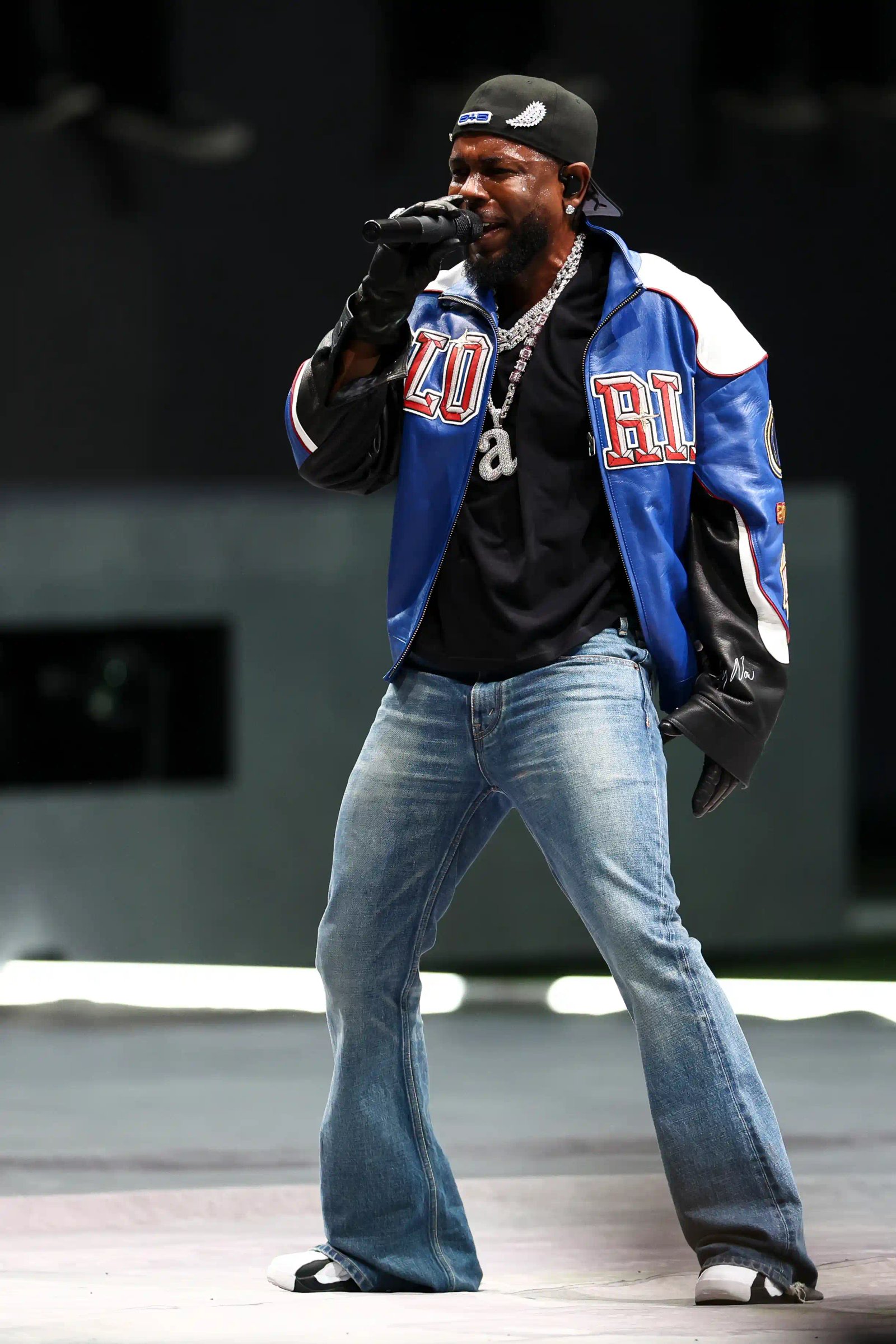
Kendrick Lamar performs during the Super Bowl Halftime Show in New Orleans in February 2025.
Kevin Sabitus/Getty
The lawsuit stems from Drake’s January 2024 complaint against UMG, alleging the label violated his rights by promoting a song containing defamatory statements about him. According to Drake’s legal filings, he has never engaged in any behavior that would warrant such allegations, stressing that he has not been charged or convicted of any criminal acts.
In response, UMG dismissed the allegations as “untrue” and filed a motion to dismiss the lawsuit, asserting that Drake’s claims were a reaction to losing a rap battle rather than legitimate legal grievances. The label maintained that the lyrics were hyperbolic and nonactionable, a point that was central to their legal arguments.
As the legal battle continues, both parties have engaged in extensive filings, with UMG urging the court to dismiss the case based on established legal standards that define artistic expressions in music.
To date, UMG has until March 27, 2026, to officially respond to Drake’s claims as the case moves forward.