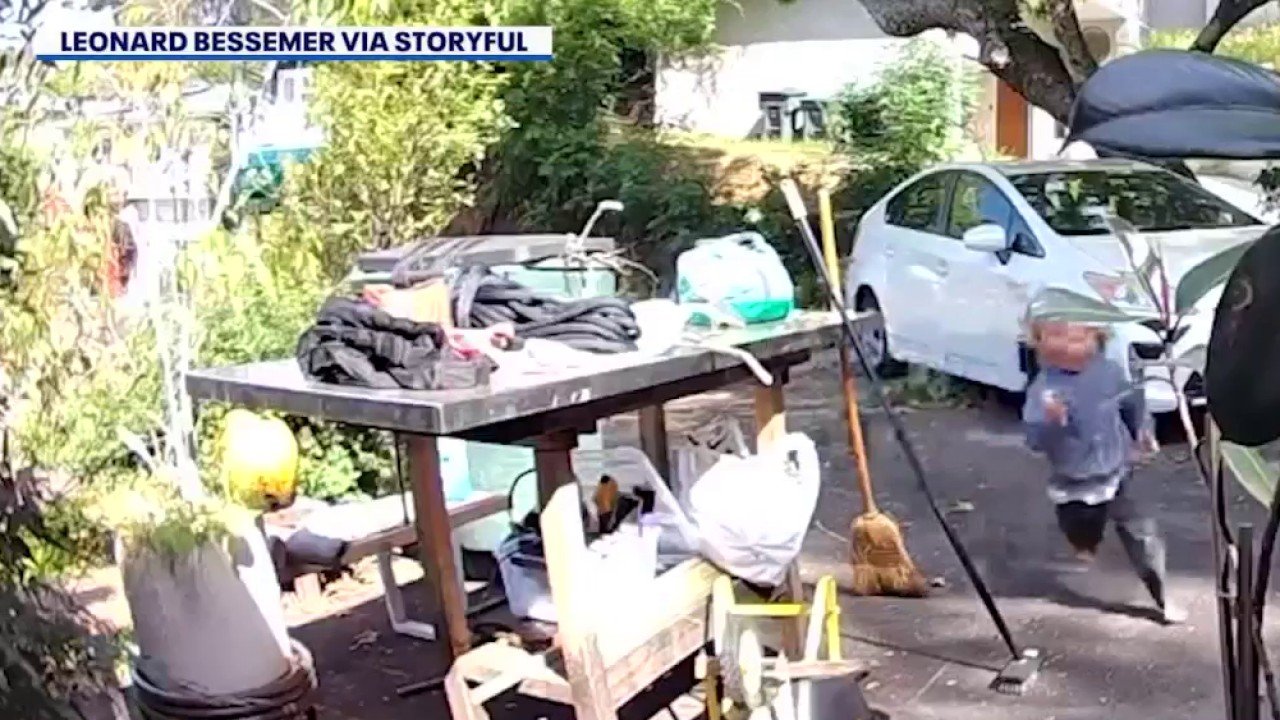
Coyote Spotted Chasing Toddler in Southern California Neighborhood
Coyote Chases Toddler in Pasadena: A Close Call for Local Family
PASADENA, Calif. – A frightening encounter unfolded in a Pasadena neighborhood when a coyote was captured on video chasing a toddler outside the child’s home. The incident garnered attention as it illustrated the potential dangers posed by wildlife in urban areas.
The video depicts a three-year-old running and screaming in terror as a coyote follows closely behind. Fortunately, the child’s mother reacted swiftly, screaming and scaring the animal away before any harm could befall her child.
Residents of the area reported prior sightings of coyotes, but this incident marked the first time an animal had ventured onto their property.
With coyote breeding season typically occurring between late January and March, increased activity has been noted as the animals seek mates and food sources. While coyotes are native to California and play a crucial role in controlling local rodent populations, they have been known to pose risks to small pets and, in rare cases, humans.
Reporting Coyote Incidents
In the event of an emergency or if a person is being attacked by a coyote, immediate action is required, and authorities recommend calling 911. For non-emergency situations involving aggressive behavior, residents can contact local authorities:
Los Angeles County:
- Who to Call: Agricultural Commissioner (for aggressive behavior)
- Phone Number: 626-575-5462
Los Angeles City:
- Who to Call: Animal Services Hotline
- Phone Number: 888-452-7381
Orange County:
- Who to Call: OC Animal Care (during business hours)
- Phone Number: 714-935-6848
Riverside County:
- Who to Call: Department of Animal Services
- Phone Number: 951-358-7387
For statewide incidents involving human-biting incidents, residents can reach out to the California Department of Fish and Wildlife at 888-334-2258. Online reporting is also available through the Wildlife Incident Reporting site.
This incident serves as a reminder for communities to remain vigilant, especially during breeding season when wildlife is more active.