
Berlinale Confronts Government Influence While Thessaloniki Documentary Festival Celebrates Its Independence
Thessaloniki International Documentary Festival Concludes with Awards Ceremony This Weekend
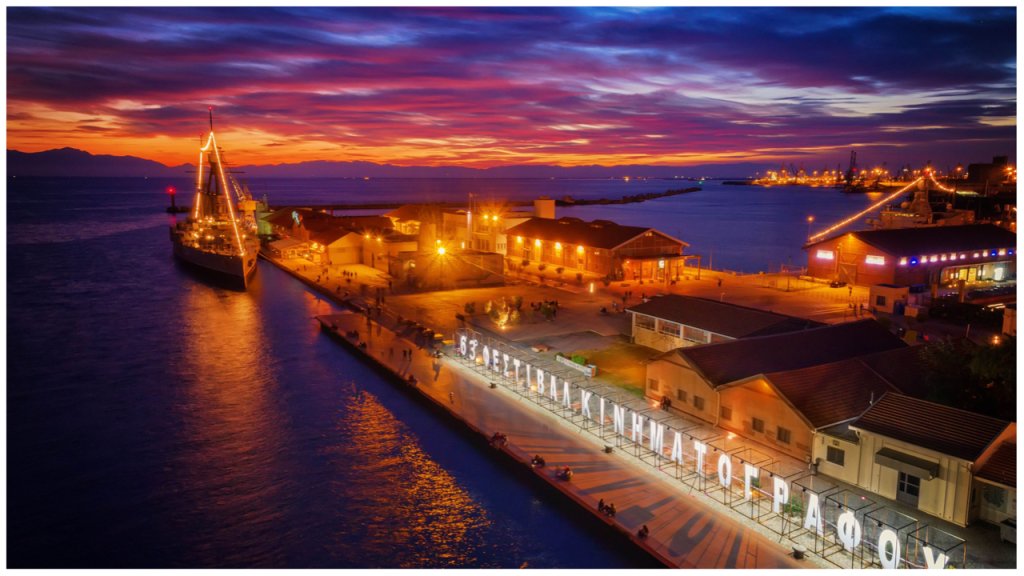
The 28th edition of the Thessaloniki International Documentary Festival in Greece wraps up this weekend, culminating in Sunday’s awards ceremony where the coveted Golden Alexander prize will be announced.
Yorgos Krassakopoulos, head of the festival’s program, has expressed his satisfaction with this year’s event, calling it a success. “We’ve managed to create a vibrant atmosphere,” he stated, noting the festival’s importance in the documentary film landscape.
While the Thessaloniki festival receives government support through the Greek Ministry of Culture, Krassakopoulos emphasized its autonomy: “We, as an organization, belong to the Ministry of Culture. But we are autonomous. They do not interfere with our program.” He highlighted that funding also comes from European programs, as well as private and regional sponsorships, providing the festival with the freedom to curate its selections independently.
Krassakopoulos remarked, “We wouldn’t program anything that’s incendiary or that promotes hate speech… We are very free to do our selection.” This editorial independence stands in contrast to some larger festivals, allowing the team to focus on artistic considerations and the relevance of the documentaries featured.
Two years ago, the festival faced controversy when it screened Stray Bodies, a film addressing sensitive topics like abortion and IVF treatments. The premiere was notably marked by protests from religious conservatives, leading to the deployment of riot police to maintain order.
This year, the festival has seen a calmer environment. Among the notable attendees was Oscar-winning actress Juliette Binoche, who introduced her directorial debut, In-I In Motion, a documentary exploring her collaborative project with choreographer Akram Khan. Krassakopoulos remarked, “She has been to our narrative festival as well, so she knew the territory and she knew us.”
In addition to Binoche’s presence, the festival honored filmmaker Bill Morrison with a Golden Alexander for his contributions to cinema, particularly his works like Dawson City: Frozen Time and the Oscar-nominated short documentary Incident. Krassakopoulos shared Morrison’s enthusiasm for future collaboration, mentioning, “Actually, he said, ‘I want to come back. I want to be on this jury.’ I think we’re going to take him up on it.”
This year’s festival theme, titled All the World’s Memory, seeks to explore the significance of archival cinema. “We wanted to have a program that would showcase how archive can be used in documentary filmmaking,” Krassakopoulos explained, adding that the festival is collaborating on a database of Greek cinema set to launch online in April.
Amid the excitement, Krassakopoulos expressed pride in the festival’s role in presenting films that later succeed at international competitions. “In the case of Coexistence, My Ass!, it had already played at Sundance," he noted. "Whenever I’m coming on a program of a documentary festival…and I see one of our titles, I’m like, ‘Oh, good.’ When they win an award, I’m like, ‘Yes, you deserve it!’"
Ultimately, Krassakopoulos conveyed the team’s dedication to fostering important narratives, stating, “We really care about films that can make a tiny bit of difference… and they could go on and spread a good message around the world.”
As this year’s Thessaloniki International Documentary Festival comes to a close, it not only celebrates cinematic achievements but also reinforces its commitment to the documentary genre and its critical role in dialogue and understanding.