

Men Take the Stage: How Abbi Motlagh’s Documentary Challenges Norms at the Miami Film Festival
Breaking Gender Norms: The Inspiring Story of Male Dancers in ‘When Men Dance’
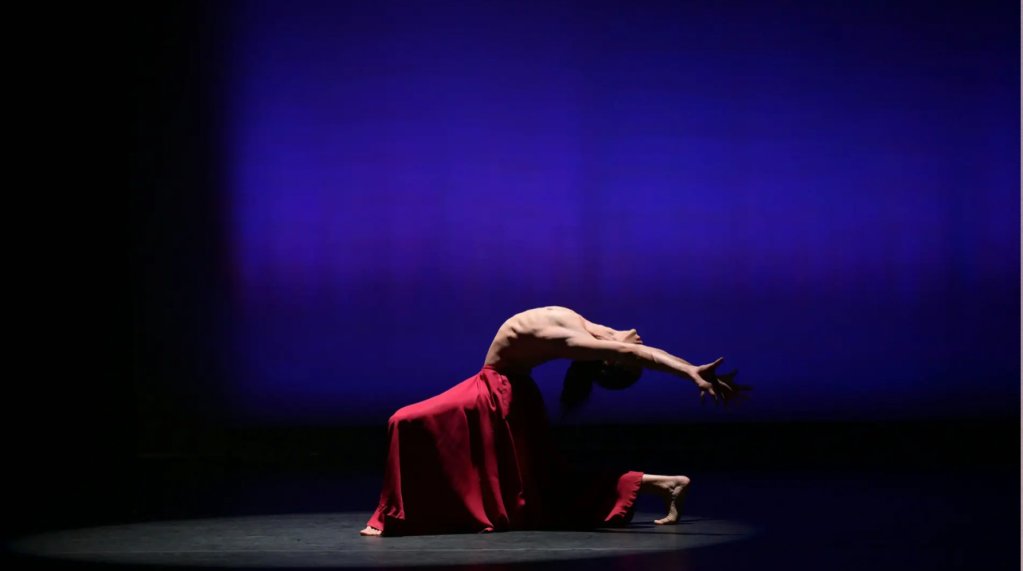
The documentary When Men Dance, which premiered at the Miami Film Festival, delves into the lives of male dancers confronting societal stigmas. Directed by Emmy-winning filmmaker Abbas “Abbi” Motlagh, the film highlights the journeys of these artists as they pursue their passion for dance amidst rigid traditional expectations.
In a powerful director’s statement, Motlagh emphasizes the challenges male dancers face: “As director, producer, and editor of When Men Dance, I tease out and spotlight the lived realities of artists who risk being crushed by a spectrum of societal pressures and norms.” He accentuates their resilience and the supportive community that empowers them through adversity.
Motlagh’s own background informs his perspective. Growing up in Iran, he recalls a culture where men danced together without the constraints typically seen in Western societies. “Men and women are separate – at a party, everywhere,” he notes, reflecting on his experiences. “They’re very, very relaxed with each other. They’re [not] shy.”
Producer Anne Pollack brings another viewpoint, stating, “Everywhere else [in the world], men dance together.” She observes that about 80% of the dance content on her social media showcases men connecting through this art form. "When you dance and you’re kinetically connected, you become whole in some way," she adds.
The film’s impact resonates particularly with male viewers, as Pollack highlights, "These dancers break through isolation, which men are famously really, really in a state of huge isolation."
During the Q&A following the premiere, dancer Natanael Leal shared his vulnerability, revealing the apprehension he felt in sharing his story, especially as a nonbinary individual. "I wanted my story to be something of happiness," he remarked, addressing his fears about language barriers and expressing authenticity.
Similarly, Miami native Antonio Velasquez reflected on the healing nature of storytelling in the film. He described his emotional journey and the catharsis he experienced while discussing his background and connection to dance.
Dancer Clinton Harris expressed his struggle with verbal communication compared to his fluidity in movement. "I would rather dance 30 minutes straight for y’all right now than to do this," he said, emphasizing the healing aspect of sharing personal narratives.
The film calls for a cultural shift, as Harris urged audiences to encourage children to embrace their passions freely, irrespective of gender stereotypes. “If you see a little kid — Black, white, Hispanic, Chinese, I don’t care — tell them, ‘That’s not [just] for girls. That’s not gay,’” he asserted.
When Men Dance was executive produced by Kent Savage, who explained the vision behind the project: “We learned about the story and then said, how can we capture it?” He praised Motlagh’s storytelling ability, saying, “They captured the story of all these dancers and everything they were going through.”
The documentary stands as a poignant reminder of the intersection between art and identity, challenging preconceived notions of masculinity and the role of dance in male bonding.