

BTS’s Special Connection to Gwanghwamun Square: More Than Just a Symbol
Trending on Billboard
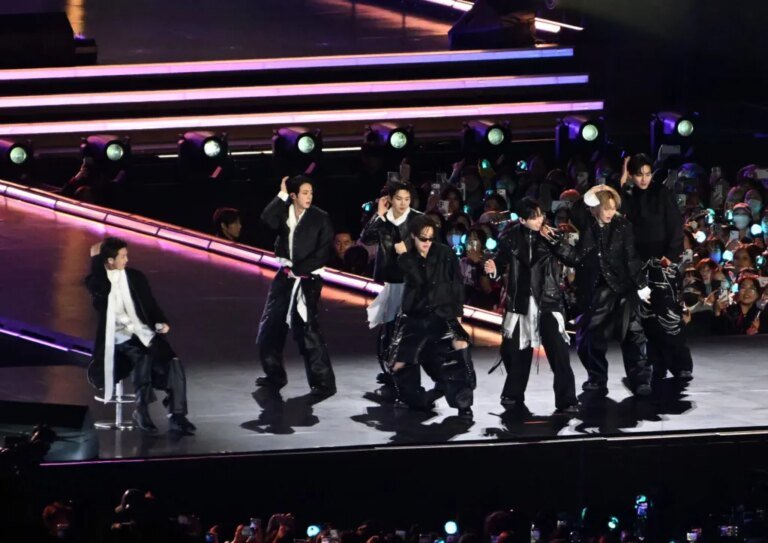
BTS’s impending return after nearly four years has sparked widespread excitement, particularly regarding the concert’s location.
Scheduled for March 21, the septet will perform at Gwanghwamun Square in central Seoul. This marks the debut celebration of their fifth studio album, ARIRANG. The outdoor concert, titled BTS THE COMEBACK LIVE | ARIRANG, will be free and open to the public. BigHit Music emphasized that the location choice underscores the album’s focus on BTS’s Korean roots. “The album captures BTS’ identity as a group that began in Korea,” the label stated.
Gwanghwamun Square is more than just a venue; it is a historical landmark where the narratives of royal authority, democratic resistance, and national celebration have intertwined for centuries.
During the Joseon Dynasty, Yukjo Street, located in this area, was home to the six ministries as well as the state’s highest deliberative and judicial bodies, all functioning in front of the royal palace. The square served as a crucial intersection of governance and public life, symbolizing the administrative heart of the capital.
BTS’s route for the concert will be symbolic as well. The group will emerge from Gyeongbokgung Palace, pass through Gwanghwamun Gate, and arrive at a stage set on the northern edge of the square, effectively transitioning from Korea’s royal past into a modern public realm.
The square has witnessed numerous historical moments. In 1919, thousands of protestors marched through Gwanghwamun during the March 1st Independence Movement, and the June Democracy Uprising of 1987 also unfolded there. The location became a lively hub in 2002 when soccer fans celebrated the Korea-Japan World Cup, and again in 2016 and 2024 during large candlelight vigils advocating for presidential impeachment.
Throughout its history, Gwanghwamun Square has served as a stage for resistance, mourning, joy, and collective strength, remaining open to diverse ideologies as it evolves with each generation.
BTS’s musical evolution resonates with this layered history. The group has transitioned from addressing themes of youth anxiety in their early work to crafting anthems centered on comfort and collective identity. In a teaser for the concert, the members declared, “Seven together, we can do anything. Keep swimming.”
Furthermore, the decision to host the concert at Gwanghwamun reinforces accessibility; unlike a ticketed venue, the square is open for all. This approach conveys a message that extends beyond the core fanbase.
BTS has shown a consistent understanding of how context influences public reception. By returning at Gwanghwamun, the group is framing their comeback within a larger narrative of collective gathering and national expression.
The plaza’s history encompasses royal announcements, protest movements, celebration of sporting events, and memorials for impeachment campaigns. On March 21, it will welcome seven returning members after military service along with their new album, titled after Korea’s cherished folk song. Should ARIRANG explore the essence of Korean identity, Gwanghwamun offers a historical context that few other venues can match.
Even before the music begins, the location adds significant layers of meaning, highlighting the importance of this highly anticipated comeback.
This story was originally published by Billboard Korea.