
Google AI Tools Stop Filtering Disney-Related Content Following Legal Concerns
Google and Disney Reach Resolution in AI Dispute
Google has seemingly retreated in its ongoing dispute with Disney regarding the use of the latter’s intellectual property in AI products. The conflict escalated last December when Disney issued a cease and desist letter to Google, asserting that the tech giant’s AI offerings operated like a “virtual vending machine” for Disney’s intellectual content.
In response to the concerns raised, Google has blocked specific prompts used in its AI models today, displaying a denial message that stated, “I can’t generate the image you requested right now due to concerns from third-party content providers. Please edit your prompt and try again.”
As the situation develops, both Google and Disney have been approached for comment.
The same Google Gemini prompt, different results
Despite these changes, Google’s AI systems were still able to generate Disney-related content when users uploaded photos of characters alongside text prompts. In December, Disney’s attorney, David Singer, detailed the company’s grievances in a 32-page cease and desist letter. This document outlined how tools like Veo, Nano Banana, and Gemini reportedly infringed on Disney’s copyrights on a significant scale.
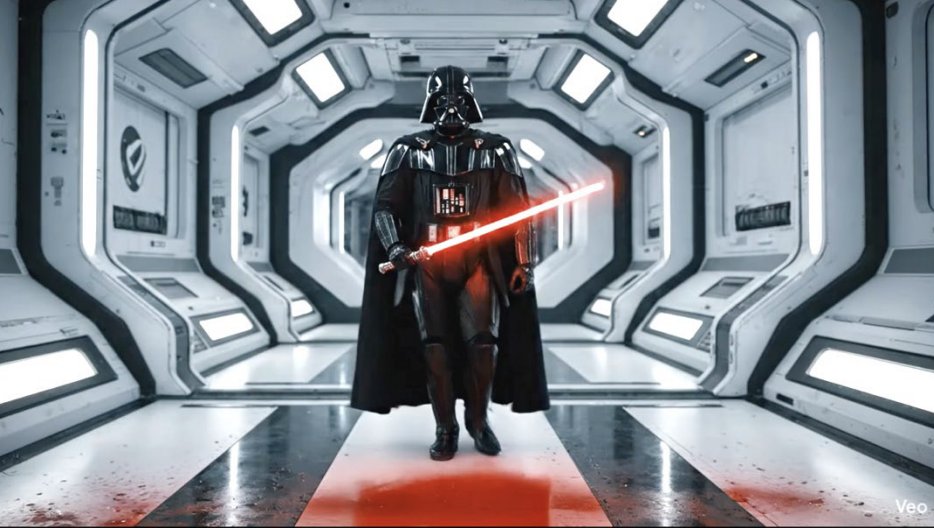
The letter included examples with visual aids, demonstrating how basic text prompts could produce polished images of various Disney characters, including Darth Vader and Iron Man. Disney’s demands from Google included an immediate cessation of copyright infringement and a halt to using Disney’s IP for training models, highlighting that the company had been voicing concerns for months without action from Google.
At that time, a Google spokesperson reaffirmed the company’s commitment to its partnership with Disney, stating, “We have a longstanding and mutually beneficial relationship with Disney, and will continue to engage with them.” The spokesperson also emphasized that Google utilizes public data from the open web to develop its AI and has implemented various copyright controls such as Google-extended and Content ID for YouTube, aimed at providing content owners greater control over their material.
This dispute arose concurrently with Disney signing a $1 billion agreement with OpenAI to license characters for its generative video app, Sora. The developments indicate a significant prioritization of intellectual property rights in the rapidly evolving landscape of AI technology.