
Why YouTube’s Action Against Fake AI Film Trailers Matters to Hollywood
This edition: As YouTube celebrates the removal of AI-generated fake movie trailers, questions arise about why Hollywood studios delayed action against these misleading videos.
Watch on Deadline
The response to YouTube’s decision has been overwhelmingly positive. One Reddit thread discussing the matter garnered 43,000 upvotes, while a post by the aggregator account Culture Crave on X/Twitter racked up over 4 million views. Many users celebrated the move as a long-awaited victory for YouTube.
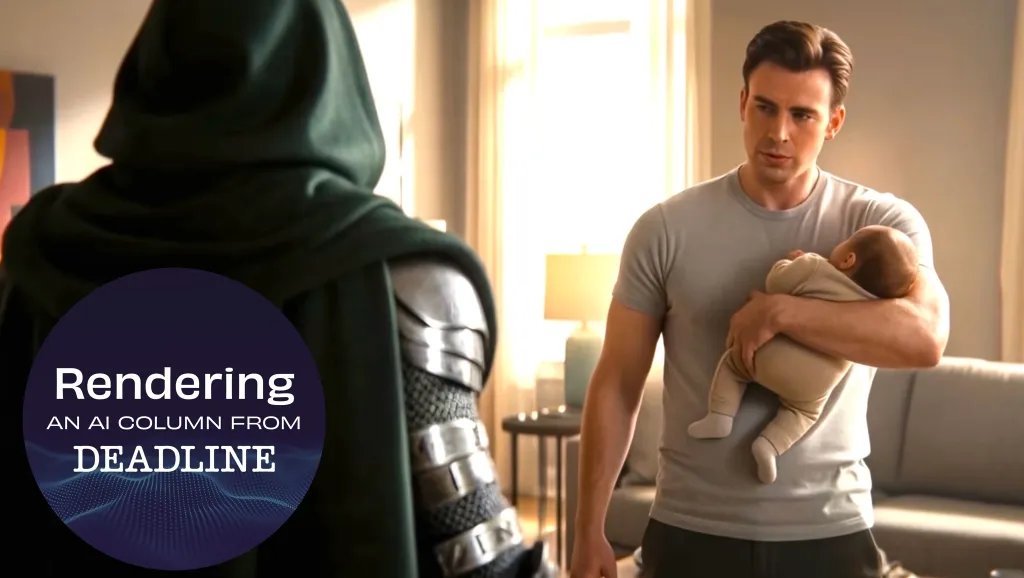
For years, accounts like Screen Culture and KH Studio published fake movie trailers that combined official film clips with generative AI enhancements. With more than 2 million followers and over a billion views, Screen Culture, based in India, operated as a profitable business, generating millions in revenue.
YouTube initially responded by banning ads on these channels due to misleading content. Both accounts made attempts to comply by rebranding their trailers as “fan” or “concept” instead of “new” or “first.” However, they gradually reverted to their previous practices. After being alerted to this regression earlier this month, YouTube terminated the channels for violating spam and misleading metadata policies.
The demise of Screen Culture and KH Studio stems from a technicality rather than concerns over their use of AI or pressures from Hollywood studios to curb unauthorized use of intellectual property. While the prevalence of deceptive content online is not surprising, the studios’ delayed response raises questions.
Despite occasional takedowns or monetization actions, the success of Screen Culture and KH Studio indicates a lack of a systematic approach by studios. In fact, reports from March revealed that Warner Bros. had been claiming advertising revenue from AI-generated trailers for films like Superman and House of the Dragon, with similar instances noted for Sony and Paramount.
Ironically, while Warner Bros. profited from Screen Culture’s videos using AI to deepfake Superman, the studio later filed a lawsuit against Midjourney for similar actions.
When approached for statements, major studios such as Warner Bros., Disney, Paramount, and Sony declined to explain their lack of action against fake trailers. The Motion Picture Association also remained silent on the issue.
In the absence of clear reasoning, several possibilities emerge. Financial concerns seem unlikely, given the minor revenue generated from Screen Culture. Theoretically, fan-made trailers could serve as free marketing, as many are appreciated as a creative outlet. However, the scale and impact of Screen Culture’s operations posed a risk, contributing to confusion among viewers who were misled into believing they were viewing official trailers.
Furthermore, navigating intellectual property rights in the age of artificial intelligence presents complications. The ubiquity of AI tools makes consistent enforcement challenging, potentially leading studios to focus strategically on select battles. This is exemplified by Disney’s recent cease-and-desist letter to Google, alleging massive copyright infringements by the tech company’s AI models.
In response, Google took action, removing numerous videos featuring characters like Mickey Mouse and Deadpool from its platform. However, channels like Teaser Universe, known for sensational fake trailers, continue to grow in popularity and viewership.
The widespread celebration of Screen Culture and KH Studio’s removal suggests that Hollywood should pay increased attention to the issue of fake trailers. As one Reddit user remarked, “This is the one thing that finally has all of fandom in agreement.”