


What You Need to Know About Princess Charlotte’s Future Royal Title
- Princess Charlotte could potentially become Princess Royal following her father, Prince William’s ascension to the throne.
- The title is typically, though not automatically, awarded to the eldest daughter of a reigning monarch.
- Currently, Princess Anne holds the title, having received it from Queen Elizabeth II in 1987.
As discussions around the future of the British monarchy continue, fans are speculating about the role of Princess Charlotte, particularly her potential title of Princess Royal once her father, Prince William, becomes king. This prestigious honorary title is traditionally given to the monarch’s eldest daughter.
Currently, the title is held by Princess Anne, Charlotte’s great-aunt, who was granted the honor in 1987. At that time, she was the only eligible recipient as the sole daughter of Queen Elizabeth II. Once conferred, the title is maintained for life.
Prince William with his three children, Prince George, Princess Charlotte, and Prince Louis, at the 2025 “Together at Christmas” carol service.
Getty Images
Princess Anne and Princess Charlotte share a close relationship, with the elder reportedly preparing her grand-niece for the significance of the Princess Royal title. Until then, Princess Anne continues to navigate the modern implications of a role that has existed since 1642. The prestigious title symbolizes hard work, integrity, and commitment, traits that Anne is instilling in Charlotte.
Princess Anne became Princess Royal in 1987.
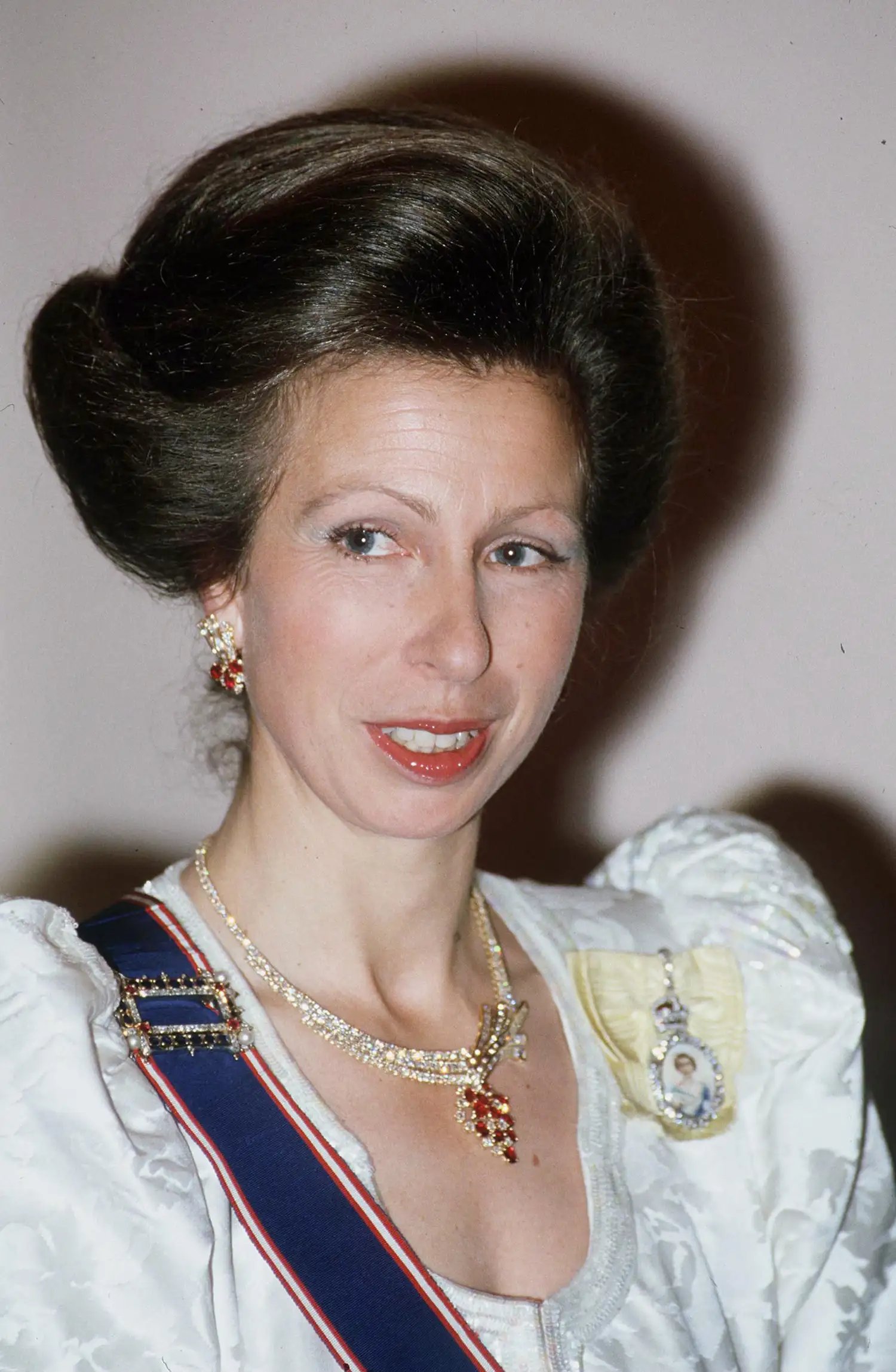
Princess Anne at a banquet for King Fahd of Saudi Arabia in 1987.
Getty Images
Queen Elizabeth II became monarch in 1952, with Princess Anne becoming a working royal at the age of 18 in 1969. She received the title of Princess Royal in 1987 and has since been recognized as one of the hardest working members of the royal family. Anne is also reportedly providing Charlotte with a “royal crash course” in her future responsibilities as the daughter of the king.
According to a source from Woman magazine, “Anne’s ‘training’ isn’t just about rank, file, and curtsies. She’s shown her how to spark conversations, but also how to end one and move on without upsetting anyone. That was a tough one for Kate to learn, but Charlotte was born into royalty so is used to the subtle signals and messaging the royals give to stay in control of a situation.”
The title is customarily given to the monarch’s eldest daughter.
While the title of Princess Royal is not automatically assigned, it is generally awarded to the reigning monarch’s eldest daughter. Before Princess Anne, the title was held by her great-aunt, Princess Mary, until her passing in 1965. Although there are varied reports regarding Queen Elizabeth II’s reasoning for delaying the title for 22 years, some suggest it was related to Anne’s reluctance toward titles. Notably, her children, Peter Phillips and Zara Tindall, were not bestowed titles despite their royal lineage.
Princess Anne once stated, “I think it was probably easier for [Peter and Zara], and I think most people would argue that there are downsides to having titles. So I think that was probably the right thing to do.”
Only one person can hold the title at a time.
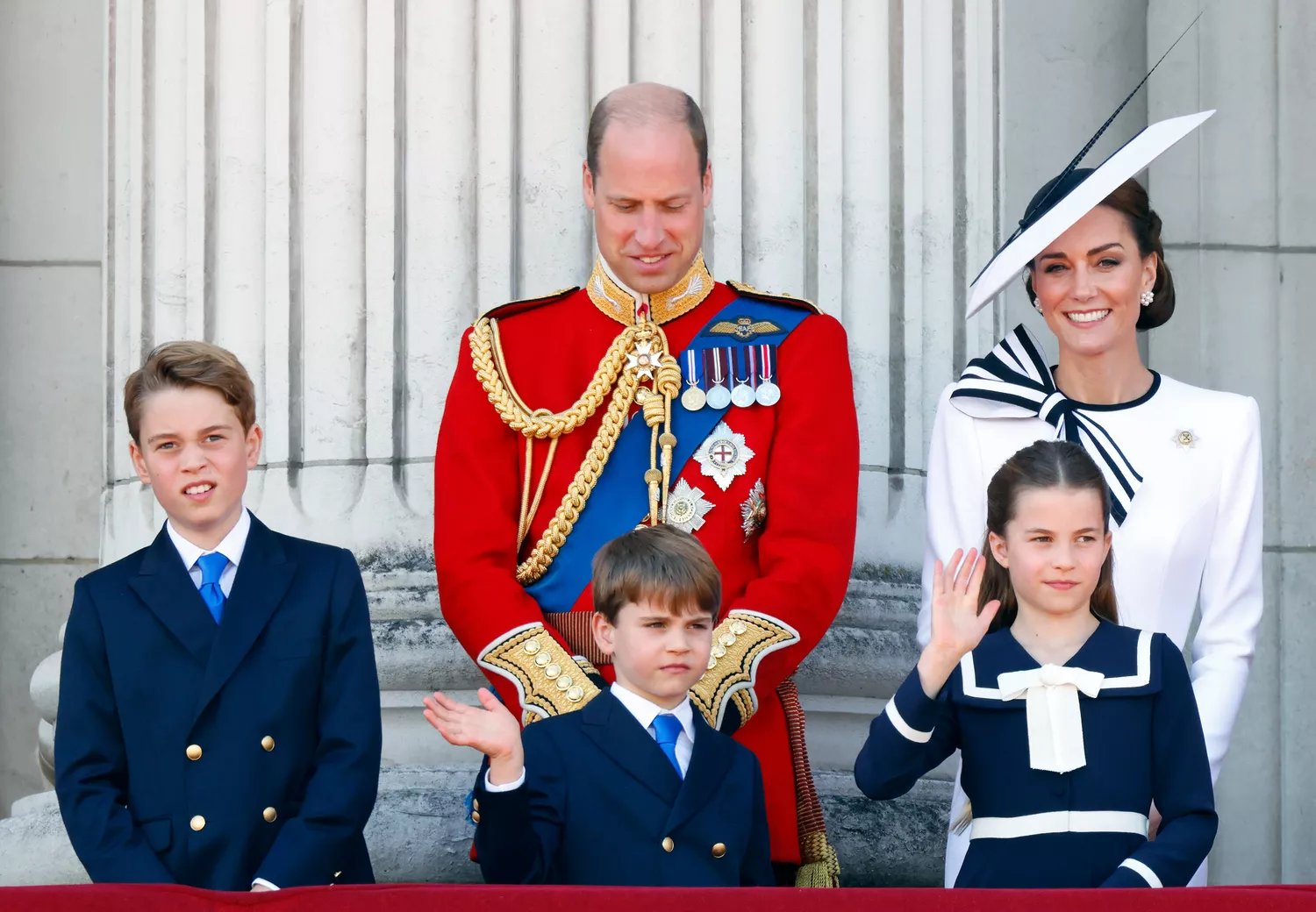
Prince William and Kate Middleton with their kids Prince George, Princess Charlotte, and Prince Louis at Trooping the Colour in 2024.
Getty Images
Currently, only one person can hold the title of Princess Royal, preventing Princess Charlotte from assuming it at this time. However, Princess Anne’s mentorship of her grand-niece continues, as they engage in conversations on various subjects including women’s football, sailing, and the arts. An insider revealed, “Essentially, she’s fool-proofing Charlotte into becoming the perfect princess and standby queen.”
The honor has been bestowed upon a total of seven royal women.
The title of Princess Royal has a history dating back to 1642, when King Charles I conferred the honor upon his daughter, Princess Mary, to create an English equivalent to the French title Madame Royale. Since then, only six other women have held the title, each playing a vital role in defining its significance, which has come to symbolize hard work and prestige, both in Britain and internationally.