Washington National Opera Parts Ways with Kennedy Center After Trump Name Change
Washington National Opera Splits from Kennedy Center Amidst Leadership Changes
The Washington National Opera announced on Friday, January 9, that it is severing ties with the Kennedy Center, a move that follows significant leadership changes initiated by President Donald Trump. The announcement signifies another high-profile departure from the U.S. capital’s preeminent performing arts venue.
In a statement, the opera detailed plans to transition away from the Kennedy Center, citing financial strain resulting from Trump’s dismissal of the board and installation of new allies to oversee its operations. The departure aims to allow the organization to operate independently once again.
As part of its strategic adjustments, the opera will be reducing its spring season and relocating performances to various venues to ensure fiscal responsibility and maintain a balanced budget.
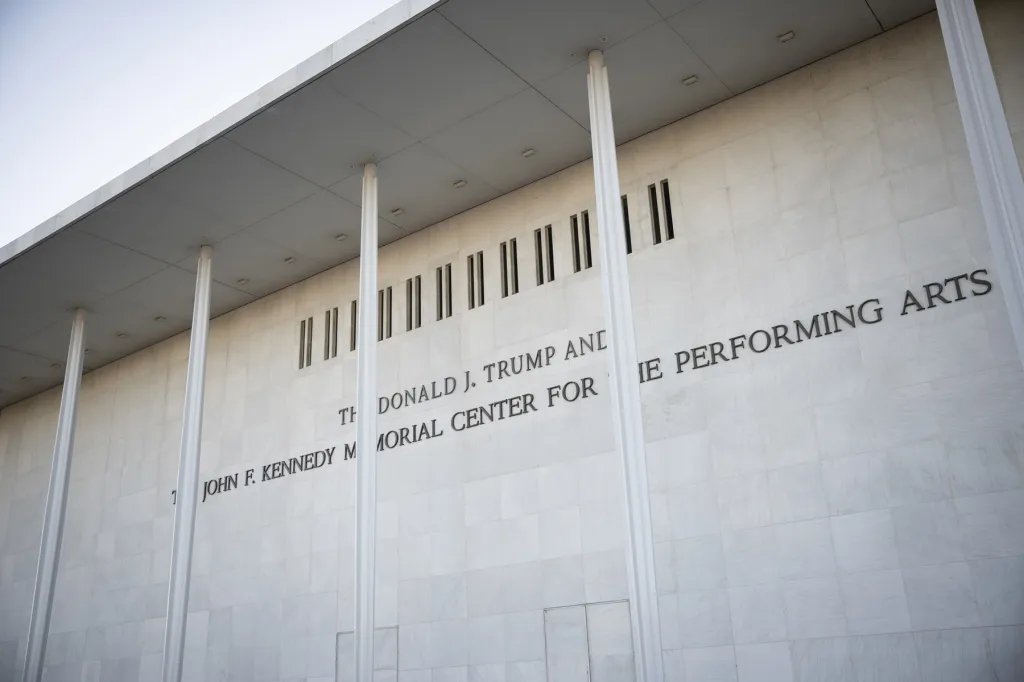
While the statement refrained from mentioning Trump directly, it acknowledged the Kennedy Center’s recent rebranding efforts, which have included the addition of the president’s name to the venue. Although Congress officially recognizes it as the John F. Kennedy Center for the Performing Arts, the building’s exterior and website now refer to it as the Trump Kennedy Center.
Ric Grenell, the interim executive director and a Trump aide, indicated that millions have been invested to support the Washington National Opera, yet the venue continues to operate at a deficit. He suggested that the separation would provide the flexibility and financial resources necessary to showcase operas from around the globe and across the United States.
Notable artists, including Lin-Manuel Miranda and Peter Wolf, have canceled events at the Kennedy Center following the leadership changes instituted by Trump and the subsequent rebranding last December. This shift has prompted a wave of cancellations across various performances.
Opera officials expressed concerns with the Kennedy Center’s new business model, which requires that productions be fully funded in advance, a practice deemed incompatible with the operational structure of opera companies. Traditionally, ticket sales cover only a portion of production costs, with the remainder supplemented by grants and donations—support that cannot be secured well in advance during the planning stages.
The opera also emphasized that the Kennedy Center’s business approach does not align with its practice of using revenue from popular productions to support lesser-known works.
Francesca Zambello, the artistic director of the Washington National Opera, reflected on the organization’s affiliation with the Kennedy Center, calling it a national monument to the human spirit and an important home for artists and opera enthusiasts alike. She pledged to continue presenting a diverse slate of performances, from celebrated classics to contemporary works.
As of late Friday, productions of Treemonisha, The Crucible, and West Side Story were still featured on the Kennedy Center’s website.