

Upfronts 2026: How Scripted Series Are Making a Strong Return to Broadcast TV
In a surprising shift at this year’s upfronts, all four major broadcast networks unveiled their 2026-27 programming lineups, each featuring an increase in scripted series compared to the current season. This unexpected trend has gone largely unnoticed, potentially even by the Netflix team preparing their upfronts presentation.
“Other companies are spending the majority of their budget on sports and cutting back on scripted shows,” said Chief Content Officer Bela Bajaria during Netflix’s presentation, which took place after the broadcast networks disclosed their plans for the upcoming season.
Traditionally, the industry has faced challenges such as declining linear ratings, market contraction, and the fallout from the pandemic and the 2023 Hollywood strikes. However, this year marks a distinct turnaround.
CBS is set to introduce three new drama series—Cupertino, NCIS: New York, Einstein—and one comedy, Eternally Yours, while discontinuing one drama, Watson, and two comedies, The Neighborhood, DMV. Overall, this results in a net increase of 1.5 hours of scripted programming.
NBC plans to add two new dramas, The Rockford Files, Line of Fire, and two new comedies, Sunset P.I., Newlyweds. The network will also cancel one of each, Beautiful Minds, Stumble, resulting in a similar net gain of 1.5 scripted hours, though this may change based on the fate of The Hunting Party, currently on the bubble.
Fox is following suit by adding two new dramas, Baywatch and The Interrogator, while canceling the comedy Going Dutch, which will also lead to a net increase of 1.5 hours.
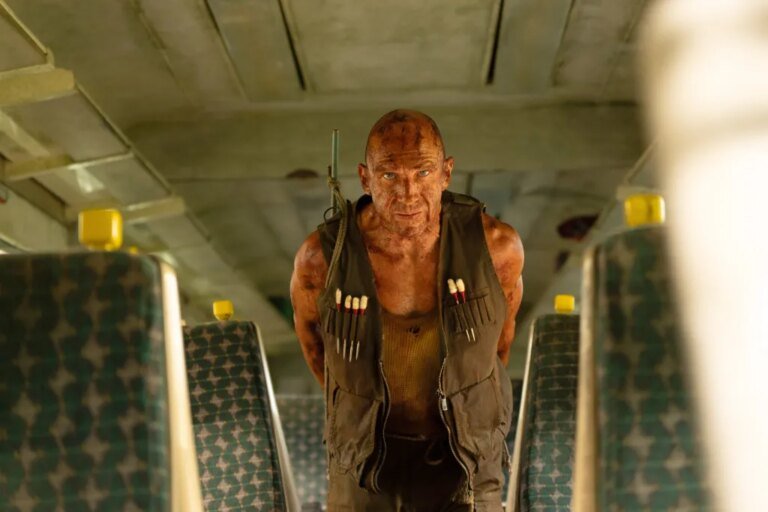
Meanwhile, ABC will introduce The Rookie: North without axing any existing scripted series. Last year, ABC added two dramas and one comedy while not renewing one drama and one comedy. This trend of heightened scripted programming is notable, as other networks had previously canceled more shows than they added.
The reasons behind this resurgence in scripted content remain unclear. However, some industry experts attribute it to a recalibration following a period of reduced output. CBS, NBC, and Fox all experienced declines last season, particularly NBC, which canceled several series while adding only two new comedies to accommodate the NBA’s arrival.
Fox Entertainment CEO Rob Wade referenced the 2019 Disney acquisition of Fox assets, including 20th Television, which had supplied previous scripted content. “Going back to the Disney transaction, if you remember, we had a lot of 20th shows on the network,” Wade said. He noted that it had provided opportunities for Fox to gradually build their scripted slate.
Citing the constraints of broadcast schedules, Wade explained that networks must find a balance between high-cost sports programming and scripted shows while also integrating less expensive reality content. ABC’s President, who recognized this balancing act, indicated that adding both R.J. Decker and The Rookie: North would likely necessitate trimming episode counts for some existing series.
Goldman emphasized that any adjustments would not compromise the creative aspects of their programming and that expanding series libraries for streaming remains a priority. The ownership of more scripted series, particularly for vertically integrated networks like ABC, CBS, and NBC, can create significant downstream revenue opportunities.
Despite potential cuts to episode orders, the increase in scripted programming is beneficial for the creative workforce, providing more jobs for writers, actors, and production crews. This trend supports greater employment opportunities and healthcare coverage for industry professionals in the U.S.