
Tutu: A Thoughtful Look at a Charismatic Leader Guided by Strong Values – CPH:DOX
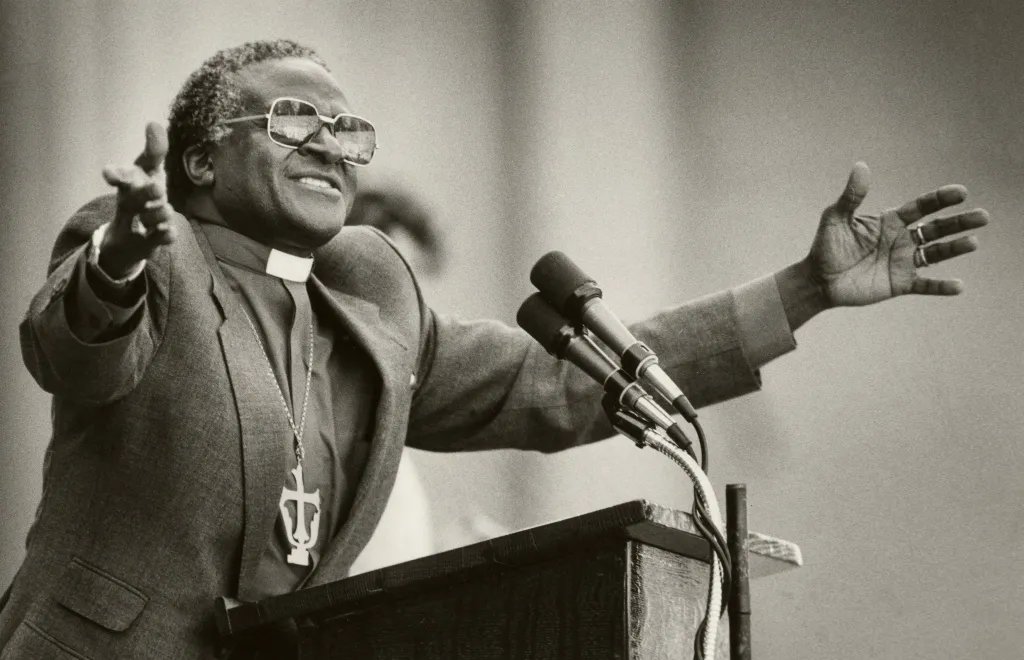
Archbishop Desmond Tutu, born in Transvaal in 1931, passed away in the final week of 2021. A new documentary serves as a poignant tribute to his enduring legacy and the significant achievements throughout his career. While Tutu is primarily recognized for his role in the anti-apartheid movement in South Africa from the mid-1960s until its conclusion in the 1990s, his influence extended far beyond, encompassing a wide array of humanitarian causes. This documentary presents a compelling portrait of Tutu as a leader driven by a strong moral compass and an almost superhuman fearlessness.
Titled Tutu, the film is structured in chapters and effectively utilizes first-hand footage shot by journalist Roger Friedman and activist/photographer Benny Gool, who followed Tutu for the last two decades of his life. Much of this behind-the-scenes footage reveals both Tutu’s playful nature and his deep personal life, including his remarkable partnership with his wife, Nomalizo Leah. While the film highlights Tutu’s courage, it also underscores Leah’s significant sacrifices, particularly her choice to return to South Africa with him after a period of safety in London during the early 1960s.
Watch on Deadline
Tutu’s return to South Africa in 1967 is illuminated by three powerful quotes featured early in the documentary. He expresses his belief that “when people decide to be free, nothing can stop them from being free,” identifies himself as “a man of peace but not a pacifist,” and emphasizes that “the Christian faith is hopelessly optimistic.” Looking back, his decision to return seems fraught with peril, considering the civil rights turbulence of the late 60s, which would soon be marked by the assassination of Martin Luther King Jr.
Though the film adheres closely to Tutu’s chronological involvement in South African politics, it resonates with contemporary issues, particularly to its American director. In detailing Tutu’s confrontations with successive white governments leading up to significant events like the Soweto Uprising in 1976 and the murder of activist Steve Biko in 1977, it also illustrates his willingness to challenge the African National Congress (ANC), acknowledging the associated risks. The parallels to current events, such as ICE raids in the U.S. and the historical context around sanctions—rejected by both Ronald Reagan and Margaret Thatcher—highlight ongoing global conflicts.
Director Sam Pollard skillfully balances these themes, focusing on Tutu’s remarkable ability to defuse tension while advocating for dialogue. However, a lingering concern remains regarding Tutu’s efforts to hold the apartheid-era leaders accountable following Nelson Mandela’s ascendance to power in 1994. Tutu’s vision of “forgiveness as well as punishment” through the Truth and Reconciliation Commission (1995-96) fell short in terms of accountability, with many perpetrators evading justice, a scenario reminiscent of unresolved cases in modern history.
These shortcomings highlight Tutu’s humanity and the high expectations placed upon him by his supporters. Despite the challenges, Tutu, who spent two-thirds of his life in the public eye, largely lived up to those expectations. This documentary elucidates why his indomitable spirit continues to resonate.
Title: Tutu
Festival: CPH:DOX (Backstory)
Director: Sam Pollard
World sales: Cinetic Media
Running time: 1 hr 42 mins