
Smooth Transition at Disney: Iger Bids Farewell as D’Amaro Steps Up and the Team Stays Strong
Disney Announces CEO Transition: Josh D’Amaro Succeeds Bob Iger in Smooth Handoff
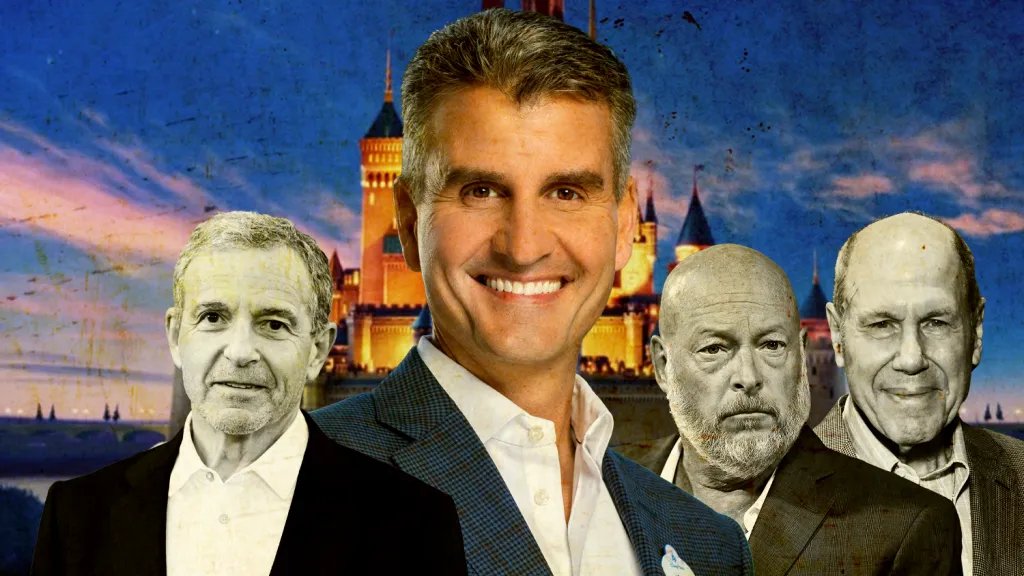
In a significant shift for The Walt Disney Company, Bob Iger officially passed the reins to Josh D’Amaro as CEO on March 18, marking a rare drama-free leadership transition. This moment reflects a departure from Disney’s tumultuous past succession planning over the last three decades.
The transition has been characterized by transparency, with high-ranking executives such as Dana Walden and Alan Bergman remaining in their positions. Historically, CEO changes at Disney have resulted in the loss of key leaders, from Jeffrey Katzenberg in 1994 to Jay Rasulo and Tom Staggs. These shifts have often triggered controversy, shareholder lawsuits, and turmoil within the organization.
“This time has been different,” noted an insider.
D’Amaro, well-prepared for his new role after an extensive vetting process, has expressed confidence about the challenges ahead. Wall Street analysts and Disney stakeholders have reacted positively, with Rich Greenfield from LightShed Partners tweeting: “Did not see this coming – Wowza,” a sentiment that highlights the cautious optimism following Iger’s unpredictable past succession choice.
Michael Morris of Guggenheim emphasized D’Amaro’s potential, pointing out that his ascent could represent a significant turning point for the company amid pressing challenges.
As part of the new leadership structure, Walden remains at Disney as President and Chief Creative Officer, equipped with a broader portfolio, indicating a stable internal environment. Earlier in the week, she outlined the leadership framework for Disney Entertainment, underscoring continuity within the organization.
Disney chairman James Gorman expressed support for the new leadership, stating, “Everybody wants more. It’s human nature. I think this has landed in a very stable and appropriate way.”
Iger has officially stepped back from the role, having previously served in a dual capacity as executive chairman and creative overseer—a situation that had led to friction under former CEO Bob Chapek. Iger acknowledged the need for renewal, saying, “Today, everywhere I turn, I sense confidence and excitement about what lies ahead.”
The company seems to have learned valuable lessons from the Chapek chapter, particularly with Iger’s more decisive departure. D’Amaro was chosen not only for his operational expertise across Disney’s parks and cruises but also for his strong grasp of the brand and its culture, which Iger emphasized during the search process.
Kevin Groves, a management professor, praised the orderly transition, highlighting it as a “relay succession” that allowed for clear visibility of candidate qualifications—an indication of a thorough selection process.
A Historical Perspective
Disney, founded in 1923 by Walt and Roy O. Disney, has experienced its share of leadership transitions. The first outside CEO, Michael Eisner, was appointed in 1984, which led to fruitful partnerships, including the late Frank Wells. However, his passing set off a chain of succession issues, including the brief and costly tenure of Michael Ovitz as president, which culminated in a notable legal battle.
Eisner’s eventual resignation came after intense pressure from family member Roy E. Disney and financial advisor Stanley Gold, leading to Bob Iger’s emergence as a well-respected successor in 2005. Under Iger’s leadership, Disney acquired major franchises such as Pixar and Marvel, significantly enhancing its intellectual property portfolio.
Iger faced challenges with potential successors, particularly during his later years when he extended his own contract while navigating several transitions. After Iger stepped back in 2020, Bob Chapek was chosen as his successor, a decision that ultimately did not yield the desired results, leading to Chapek’s dismissal amid internal strife.
Following Chapek’s exit, Iger reassumed leadership, enacting cost reductions and restructuring operations, while simultaneously facing shareholder unrest from activist investors.
With the successful transition to D’Amaro, Disney hopes to stabilize its future and regain momentum. Iger will remain a board advisor until the end of 2026, offering his insight while allowing D’Amaro to chart a new course for the iconic company.