

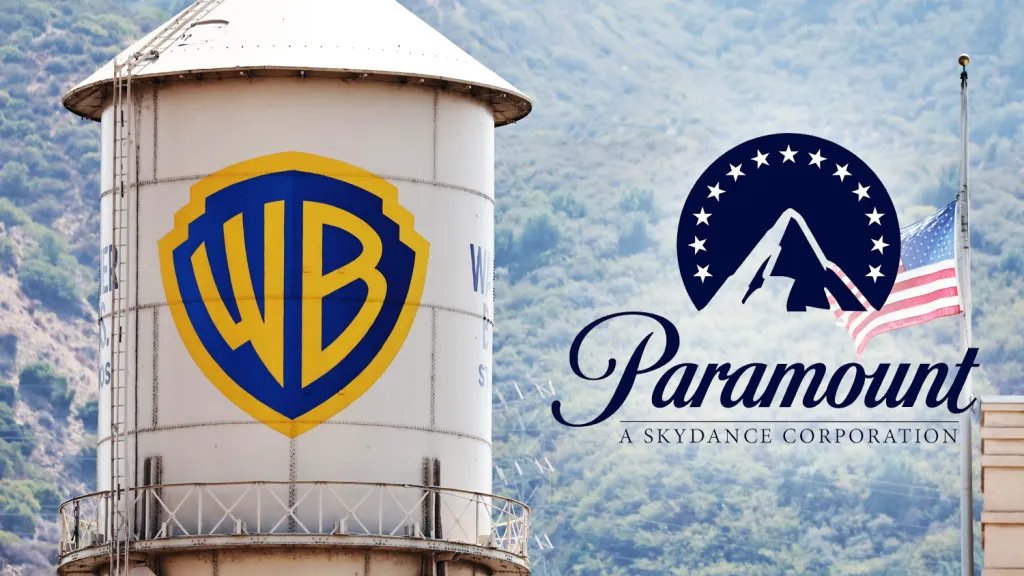
Reasons to Consider Rejecting the WBD-Paramount Skydance Partnership: Insights from an Expert
Concerns Over Potential Merger: Industry Veteran Warns of Risks
In a recent visit to Washington, D.C., a prominent figure in the film industry expressed significant concerns about the proposed acquisition of Warner Bros. Discovery (WBD) by Paramount. With parallels drawn to the past when Disney acquired Fox, industry veteran Singer urged government regulators to reject the merger, arguing that it poses substantial risks beyond just job losses.
Singer pointed to an alarming statement by Defense Secretary Pete Hegseth regarding the Ellison family’s influence, particularly in light of their close ties to former President Trump. "The stock market is not fooled," Singer stated, highlighting a troubling trend: since the merger’s announcement on February 27, Paramount’s stock has plummeted over 33%, sinking from $13.51 to $9. As a result, he noted, "a staggering debt of $78.8 billion is now juxtaposed with an equity market capitalization of only $36 billion."
He argued that consolidating such substantial entities would drive up consumer prices and reduce diversity in content, ultimately harming a sector that currently boasts a $15.3 billion trade surplus and exports American culture.
Having spent three decades in the film industry, Singer brings a wealth of experience as a former investment banker, studio executive, and co-financier involved in over 120 major films, grossing more than $26 billion worldwide. He underscored the real-world ramifications witnessed from the Fox-Disney merger—job losses, diminished competition, and a degradation in the variety of films available to consumers.
Singer suggested that rather than a merger, the independent status of WBD could better foster job security and encourage creative risks, which have been jeopardized in past consolidations. He warned that the anticipated merger could eliminate 8,000 to 10,000 direct jobs, in addition to risking over 250,000 jobs across related sectors, especially if theatrical output declines.
He raised serious concerns about the financial sustainability of the new entity, projecting $78.8 billion in debt against only $3 billion in free cash flow. The burden created by this debt load could endanger the firm’s operational viability and stunt its ability to fund new content.
Furthermore, the $57.7 billion bridge loan requires immediate refinancing, posing additional challenges given tightening conditions in private credit markets. Should refinancing become necessary, it could result in prohibitively high rates or become impossible altogether.
Paramount already controls significant broadcasting and cable assets, and the merger would further consolidate power in an industry already grappling with competition. A combined Paramount and WBD could monopolize key distribution channels for theatrical content, restricting consumer choices and innovation.
Historical precedents, like the Disney-Fox merger, illustrate how failed promises of job security and creative opportunities often lead to reduced film output, layoffs, and higher prices—an outcome Singer fears could repeat on a larger scale with the proposed merger.
He concluded with a pointed call for regulators to carefully consider the broader implications of the deal, emphasizing that rather than benefitting the public, the merger threatens to undermine the very foundations of the film and television industry.