

Production Designer Stefano Baisi Shares Insights on Crafting a Rich Historical Environment for an Academic Elite’s Apartment in “After The Hunt”
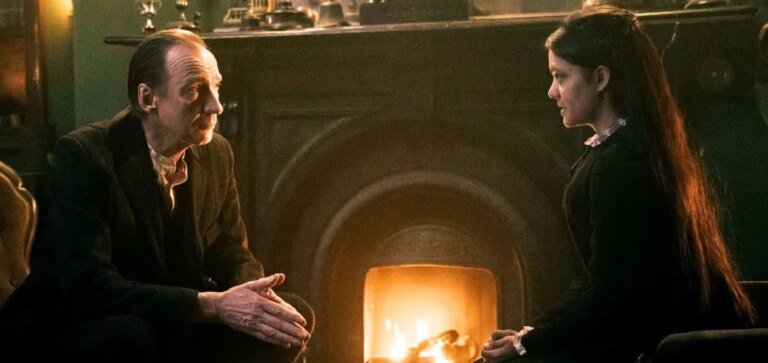
For Luca Guadagnino’s film After the Hunt, several key scenes unfold within the expansive apartment of the character Alma. The responsibility for designing this setting fell to production designer Stefano Baisi, who sought to reflect the aesthetic of the educated elite while infusing a rich sense of history into the space.
Baisi emphasized the importance of incorporating a multigenerational narrative into the apartment’s design, drawing inspiration not only from Alma and her husband, Frederik, but also from Frederik’s parents and grandparents. The challenge was to create an environment befitting the upper echelons of New Haven society, while also conveying a sense of historical depth.
In discussing his design approach, Baisi explained that the initial draft described the apartment as a typical brownstone, common in New Haven. However, Guadagnino suggested that a horizontal layout would more effectively represent the academic elite’s world and the characters’ interactions within the space. This shift in vision led them to consider apartment styles from New York’s Upper West Side and Upper East Side, with architectural influences drawn from notable buildings such as the Langham and the Dakota.
When asked about the interior design, Baisi elaborated on the layers of history he aimed to create within the apartment. He speculated on Frederik’s background, suggesting that he likely inherited the apartment from his parents, who in turn inherited it from their parents. Baisi envisioned three distinct historical layers: the first stemming from grandparents who emigrated from Europe, bringing Bauhaus architectural influences; the second relating to the parents who experienced the Kennedy era, incorporating elements from Jacqueline Kennedy’s style; and the final layer depicting the contemporary lives of Frederik and Alma, who traveled the world and collected art from various cultures.
Through these design choices, Baisi aimed to create a profound depth to the characters, enhancing their backstory and the film’s narrative.