

Nick Reiner’s Inheritance Situation: What the ‘Slayer Statute’ Means, According to Legal Experts
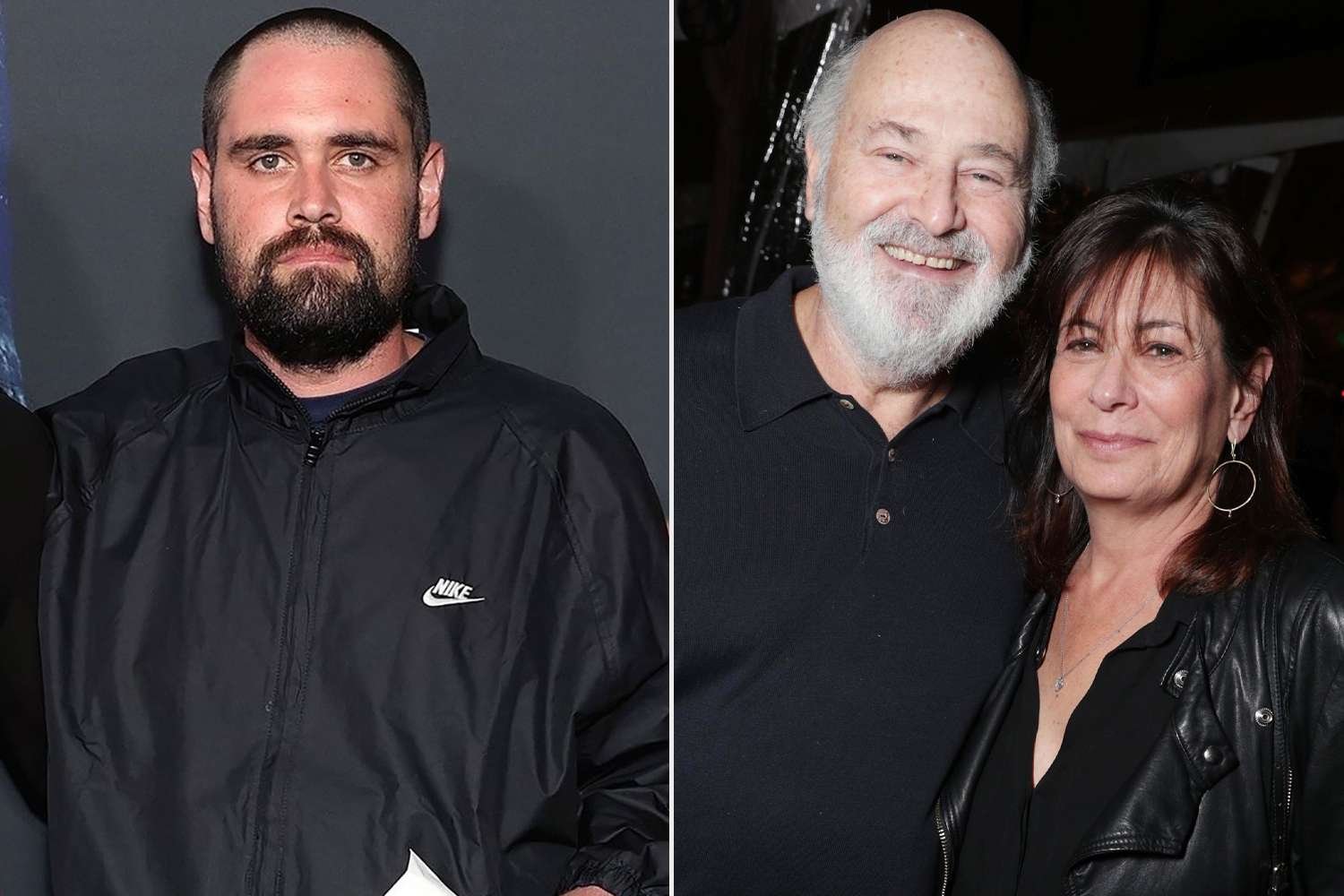
(L) Nick Reiner; (R) Rob and Michele Reiner.
Credit :
BACKGRID; Eric Charbonneau/Getty
In a shocking turn of events, Rob Reiner and Michele Singer Reiner, both prominent figures in Hollywood, were murdered in their Brentwood home on December 14. The couple, who had built a significant estate over decades, is survived by three children: Jake, 34, Nick, 32, and Romy, 28. Rob Reiner also had a daughter, Tracy, 61, from his previous marriage to the late Penny Marshall.
Sources have revealed that Romy discovered her parents deceased in their residence. Shortly thereafter, police apprehended Nick Reiner near the University of Southern California. He is set to face two counts of first-degree murder, with an allegation involving a knife, as announced by Los Angeles County District Attorney Nathan Hochman on December 16.
Nick’s attorney, Alan Jackson, confirmed his representation and stated that Nick would miss his first court appearance due to medical issues.
Estate and trusts attorney Sean Weissbart noted that if Nick is convicted, he may lose his right to inherit from his parents’ estate, citing California’s “slayer statute.” This law stipulates that individuals convicted of murdering someone they stand to inherit from forfeit their inheritance and the ability to serve as a fiduciary for the estate.
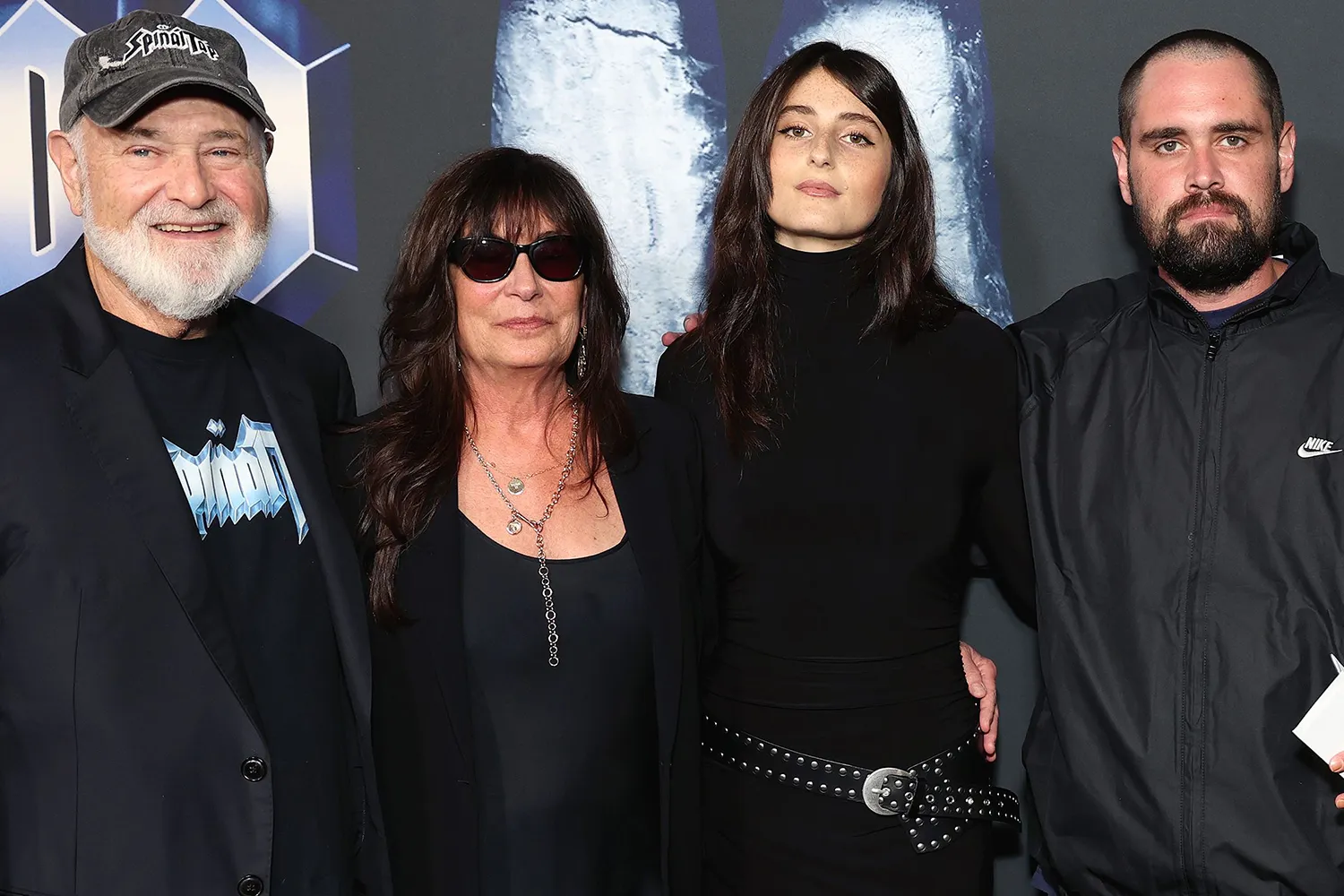
Rob Reiner, Michele Singer Reiner, Romy Reiner and Nick Reiner on Sept. 9, 2025.
Todd Williamson/JanuaryImages/Shutterstock
Weissbart explained, “California has what’s called a slayer statute, which says if you kill someone that you’re going to inherit from, you lose your inheritance and any right to serve as a fiduciary of their estate.” This means that if Nick is convicted, he would be disqualified from receiving any share of the inheritance.
Weissbart elaborated on this legal scenario, stating that typically, in such cases, the remaining heirs would divide the estate into equal parts—three shares in this instance, should Nick be excluded.
However, if Nick is not convicted, the application of the slayer statute could still pose a barrier to inheritance. Weissbart pointed out that the statute necessitates a finding of felonious and intentional killing, meaning a conviction is not the only determining factor.
Before any formal conviction or civil resolution, Nick may have access to certain estate documents, allowing him to understand what might have been left to him, Weissbart noted.
“I don’t think that just because someone is suspected of a crime that that would necessarily preclude them from seeing a will or finding out what they might have otherwise received,” he added, emphasizing the legal complexities surrounding inheritance in such tragic circumstances.


