
Mother Bear Put Down After Encounter with Monrovia Woman, Leaving Cubs Without Care
Monrovia Bear Euthanized After Safety Concerns
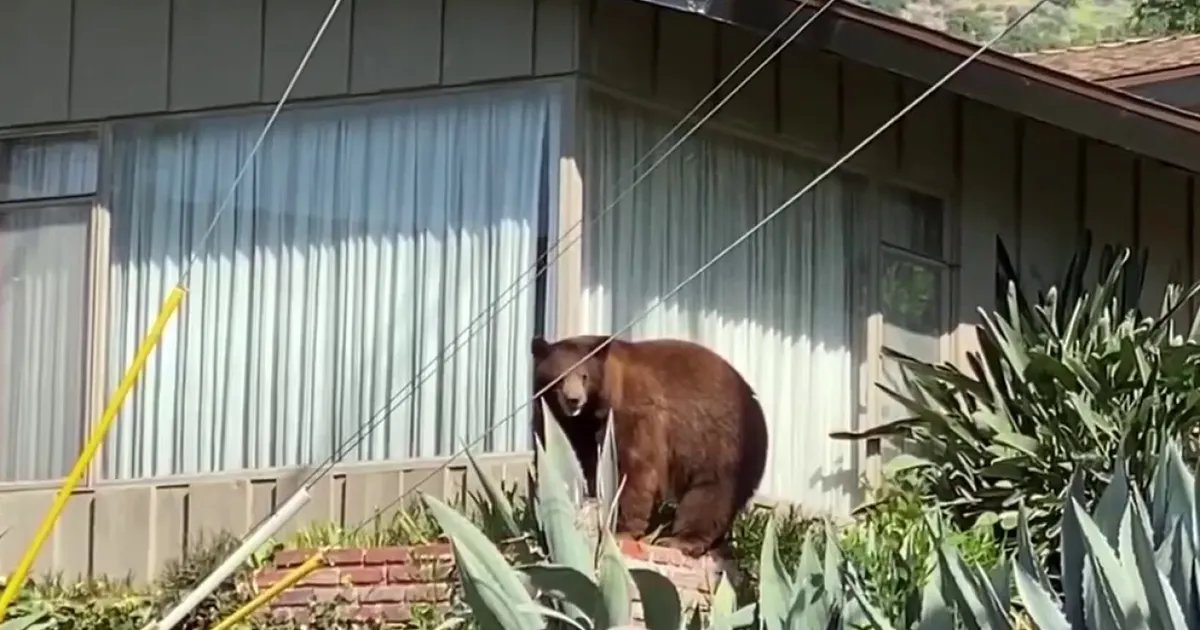
MONROVIA, Calif. – A mother bear was euthanized in Monrovia over the weekend after an incident in which she swiped at a woman walking her dog, prompting significant public outcry.
California Department of Fish and Wildlife (CDFW) officials took action after determining that the bear posed a safety risk. DNA testing linked her to a previous encounter in June 2025, when she injured a man in the same area. While the woman in the recent incident was not seriously harmed, the history of aggression led authorities to conclude that the bear represented a potential threat to local residents.
Local City Manager Dylan Feik expressed disappointment over the situation, noting that the city had advocated for the bear’s relocation to the Angeles National Forest instead of euthanization. "The Monrovia City Council requested and lobbied for the bear and her cubs to be relocated…but the decision was never the city’s to make," Feik stated. He added that the bear’s two orphaned cubs have been safely captured and placed in a wildlife facility, where they will be prepared for future reintegration into the wild.
In response to the public backlash, CDFW officials emphasized that their priority is the safety of community members. "The bear DNA from Saturday’s incident matches the bear DNA from the June 2025 incident," said Feik. "Local CDFW officials…determined the two incidents which caused human injury were sufficient justification to euthanize the bear, according to state policy."
While the bear’s euthanization has raised questions about wildlife management practices, it has also sparked support for the animal, with over 3,000 people signing a petition to save her. Advocates argue that the bear was merely defending her cubs, reflecting instinctive maternal behavior.
The fate of the cubs remains uncertain, as details regarding their housing and timeline for eventual release into the wild have yet to be clarified. The CDFW has not provided insight into why relocation was not considered an option despite public preference.