

Meta and YouTube Held Liable in Los Angeles Social Media Addiction Case
Jurors Find YouTube and Meta Negligent in Landmark Social Media Trial
In a significant development in Los Angeles, a jury determined that both YouTube and Meta were negligent in a landmark trial addressing the liability of social media companies for harm inflicted on children using their platforms.
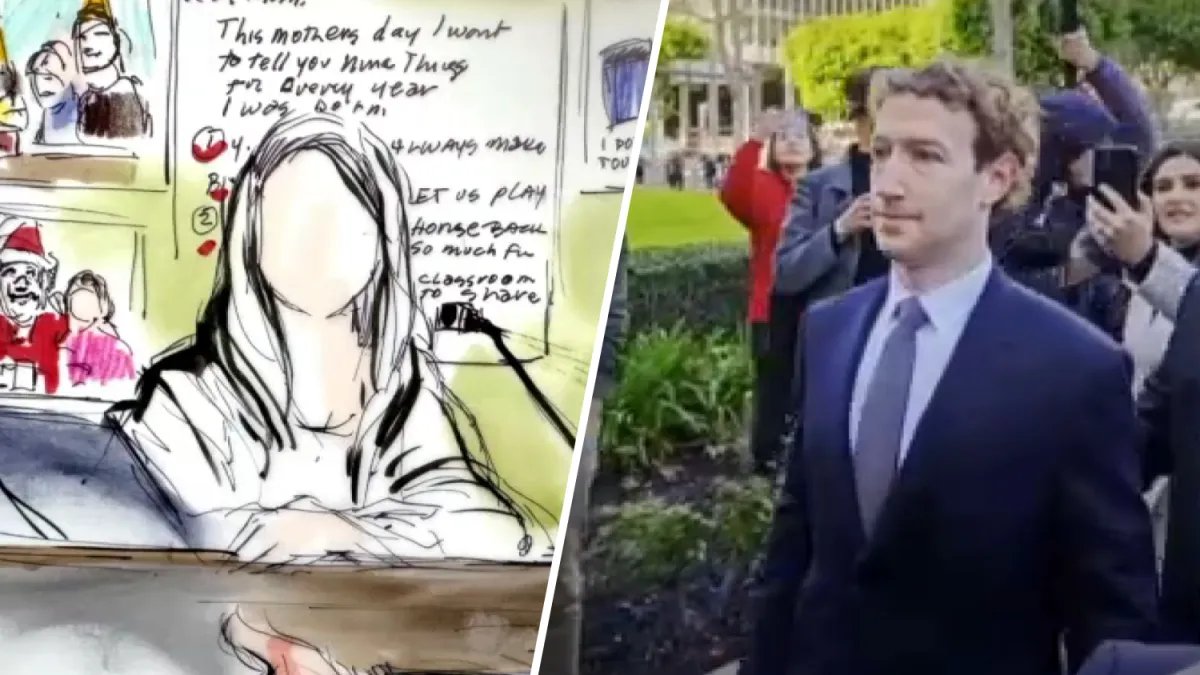
This verdict followed over a week of deliberation and a month-long hearing that featured expert testimony from addiction specialists, therapists, and high-profile executives, including Meta CEO Mark Zuckerberg. The jury deliberated for nearly 44 hours across nine days.
The jury’s decision hinged on two separate verdict forms, each containing seven questions regarding the defendants’ negligence in the design and operation of their platforms.
At the heart of the case is a 20-year-old woman, referred to as KGM or Kaley, whose attorneys argued that her early engagement with social media led to addiction and has worsened her depression and suicidal tendencies. Jurors concluded that the companies’ negligence was a substantial factor in causing harm to Kaley and that they had failed to adequately warn users about the associated risks.
The jury ordered the companies to pay a total of $3 million in damages, with 70% assigned to Meta and 30% to YouTube. Notably, TikTok and Snap, initially named as defendants, reached settlements prior to the trial.
This case serves as a bellwether trial, potentially influencing numerous other lawsuits against social media giants. The jury’s findings focused on whether the negligence of Meta and YouTube constituted a "substantial factor" in Kaley’s harm, which does not require being the sole cause.
The trial also involved a unique demonstration from plaintiff’s attorney Mark Lanier, who used a cupcake as a visual metaphor to illustrate the jury instructions provided by Judge Carolyn B. Kuhl. In his closing remarks, Lanier presented imagery of gazelles surrounded by lions, suggesting that just as predators target the weakest members of a herd, social media companies exploit vulnerable users.
Lanier criticized the defendants for prioritizing profit over the well-being of young users. He referenced internal documents purportedly showing an awareness of the addictive potential of Meta and YouTube’s platforms. “I don’t naysay the opportunity to make money, but when you’re making money off of kids, you have to do it responsibly,” he remarked.
The defense presented a contrasting narrative, emphasizing Kaley’s turbulent home life. Meta’s representatives argued that her significant challenges existed prior to her use of social media, and a spokesperson indicated that the jury’s role was to determine if her struggles would have been different without Instagram. “Not one of her therapists identified social media as the cause,” they stated.
Moreover, YouTube’s legal team insisted that their platform is not addictive and likened it to traditional television. Attorney Luis Li highlighted that Kaley originally did not cite YouTube in her lawsuit, and stressed the variety of safety features offered by the platform.
Zuckerberg testified about age restrictions on platforms, acknowledging that some minors manage to bypass these rules. He reiterated the company’s policies for removing underage users.
As the trial concluded, jurors face the additional task of determining the awarded damages should they find either or both platforms liable. The implications of this trial may resonate through the legal landscape surrounding social media and its impact on youth.