
Maggie Kang Shares the Importance of Honoring Her Heritage in Creating ‘KPop Demon Hunters’
Director Maggie Kang has achieved remarkable success in the film industry with her animated feature, KPop Demon Hunters. The film, which centers on a Korean girl band combatting underworld invaders, has become Netflix’s most-watched film since its release in June 2025, amassing 540 million views. Kang made headlines at this year’s Oscars by winning the award for Best Animated Feature, making her the first Korean woman to receive the honor, while the film’s song “Golden” was recognized as the first K-pop entry to win in the Best Original Song category.
Working as a director at Sony Pictures Animation, Kang’s project led to a significant resurgence for Netflix. The platform released a sing-along version of the film, which topped the box office with a $19 million weekend tally. The film was re-released during Halloween weekend, earning an additional $6 million. Following its success, KPop Demon Hunters secured a Grammy for “Golden,” struck a toy deal with Hasbro and Mattel, and a sequel is now in development, illustrating the transformation of this once-unknown intellectual property into a cultural phenomenon.
Watch on Deadline
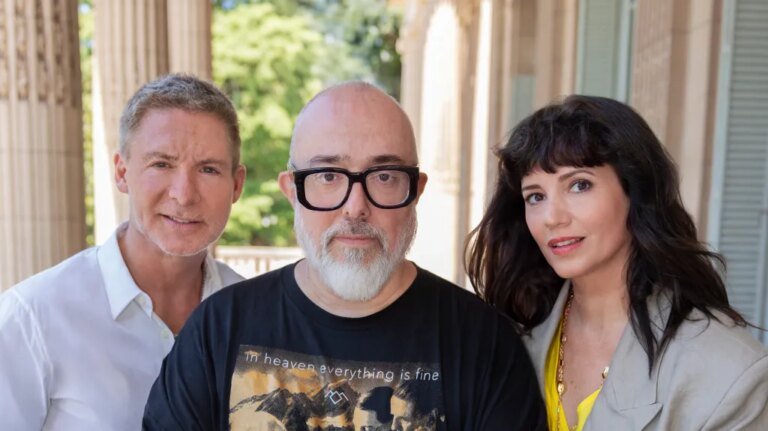
Maggie Kang
“I could never have expected this kind of reaction,” said Kang, who co-directed the film with Chris Appelhans. “But I was confident that if I were to make a movie that I felt was great, then it would be received very well. When we finished making it, I loved it, because I hadn’t seen anything like this before and I’m so proud because I really pushed myself to my limits.”
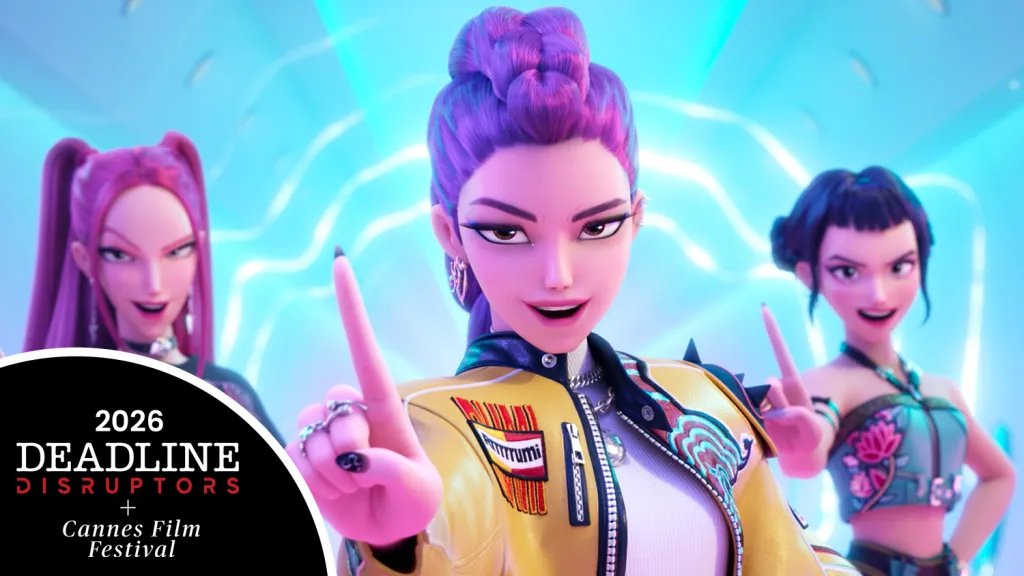
KPop Demon Hunters tells the story of Rumi, Mira, and Zoey—also known as the kickass girl band HUNTR/X—who defend the world from dark forces. The storyline emerged from Kang’s desire to showcase female characters who are “beautiful, badass, strong,” and also humorous.
“I felt there were things that I hadn’t seen yet, not just for representation and Korean culture, but also the type of female characters that I hadn’t seen in animation or movies in general,” she explained. “I felt like I hadn’t seen female characters portrayed in the most real way for me, especially in the superhero category.”
Kang emphasized that she views “stupid” as a positive trait, stating, “It takes a lot of courage and confidence to be that way and to show that part of yourself. I wanted to see female relationships that embraced that, and the intimacy and vulnerabilities that come with it. I just wanted to see the full spectrum of the female character.”
Born in Seoul and raised in Toronto, Kang developed her interest in animation through storytelling. “As a child, I wasn’t someone who had a sketchbook and drew in it as a hobby. I only ever really did drawings if there was a story or a character that really needed drawings,” she recalled.

‘KPop Demon Hunters,’ from left, Juni and Rumi.
Encouraged by her teachers, Kang eventually attended Sheridan College in Ontario to study classical animation. After graduating, she landed a trainee position in the story department at DreamWorks. Two weeks later, she relocated to Los Angeles, where she has spent the past two decades honing her craft.
Throughout her career at DreamWorks, Kang contributed to various projects, including Puss in Boots, The Croods: A New Age, Kung Fu Panda 3, and Trolls. She later worked as head of story for Warner Animation Group’s The LEGO Ninjago Movie.
Kang’s journey at Sony Pictures led her from a supervisory position to a directorial role. In 2018, Sony optioned her pitch featuring a K-pop girl group fighting mythological demons. Initially dark and violent, the concept evolved into a more family-friendly film under the guidance of Sony Pictures Animation President Kristine Belson.
“Culture specificity was incredibly important to Kang as she crafted this story. I didn’t want to make things up or have this be a fantasized version of Asian culture. I think it’s dangerous when we become OK with [reductive] Asian representation—I want more than that,” she articulated, emphasizing that the narrative needed to be authentically Korean.
To ensure authenticity, the team recruited Korean linguistics professor Mijeong Mimi Kim as a consultant, who provided crucial insights like the use of “kings” instead of “emperors”. Every aspect of the film was meticulously examined for cultural accuracy, setting a new standard for representation.
‘KPop Demon Hunters,’ from left, Zoey, Rumi, and Mira.
Kang’s vision has resonated with audiences globally, turning KPop Demon Hunters into a significant cultural milestone. “This movie is just so purely me, and I think Chris would say the same thing. Even though he’s one of the directors that made this, he was very supportive in making this movie my vision,” she reflected.
Currently, Kang is working on a sequel, aiming to keep it “fresh, surprising, and original.” She and Appelhans are actively involved in the creative direction of the franchise, emphasizing the importance of maintaining high quality for K-pop fans.
“What I would recommend to anybody in the creative field is to just lean into your own individuality. It doesn’t matter what gender you are. That’s all you can do—bring yourself to the table,” Kang concluded.