LA Takes Action: 125 New Speed Cameras Coming to Enhance Road Safety
Los Angeles to Implement Speed-Tracking Camera Network to Combat Traffic Fatalities
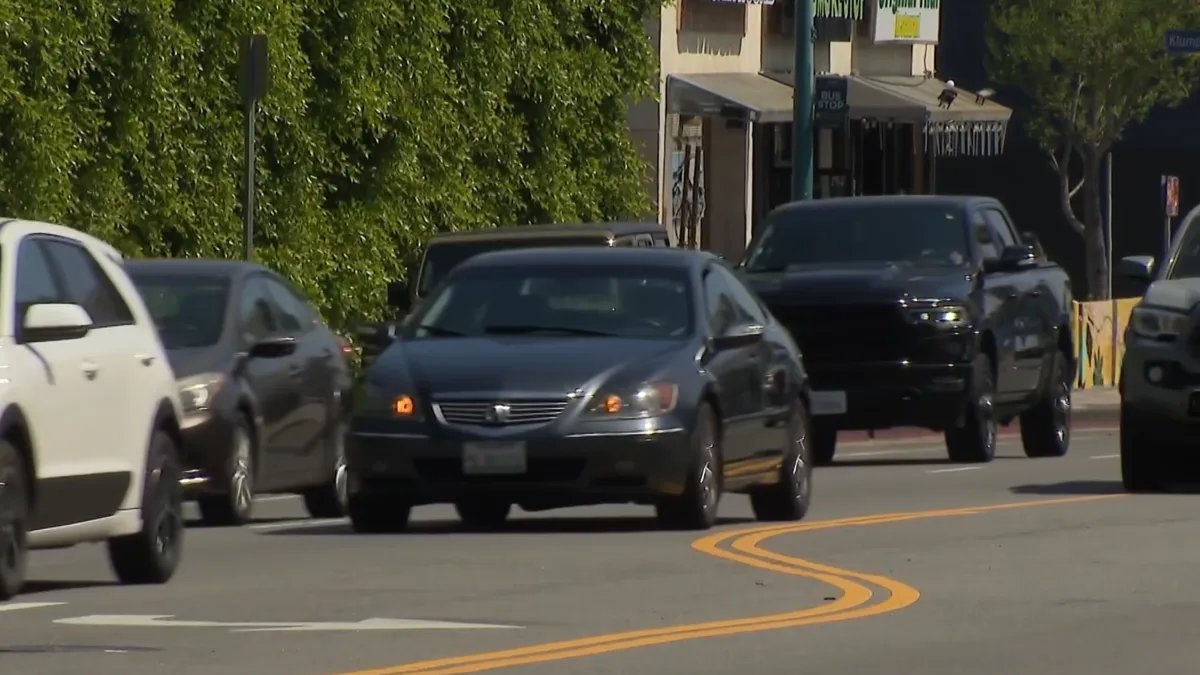
Los Angeles is set to introduce a network of speed-tracking cameras aimed at curbing traffic-related deaths, a move that could result in drivers receiving speeding tickets in the mail without being pulled over. City officials believe this initiative will enhance safety on city streets and reduce the incidence of speeding, particularly through intersections.
The Los Angeles City Council recently approved a pilot program to install 125 speed cameras in various neighborhoods, selected based on data from the Los Angeles Department of Transportation (LADOT) that pinpoint areas with high rates of speeding and traffic crashes. According to LADOT, the cameras will capture vehicles traveling at least 11 miles per hour over the posted speed limit.
“The fact is that for the last three years in a row, there have been more traffic fatalities than homicides in the city of Los Angeles,” noted Damian Kevitt, executive director of the advocacy group Streets Are For Everyone.
During the initial 60 days after the program launches, drivers caught by the cameras will receive warnings. Following this period, citations will be mailed to the registered owners of offending vehicles, starting at $50.
Los Angeles County Supervisor Lindsey Horvath Yaroslavsky emphasized the potential benefits of the program. “It’ll make our streets safer, it’s going to bring in tens, if not more, of millions of dollars a year for the very things that right now we can’t afford to fund,” she stated.
Legal experts assert that drivers can still be held responsible for citations generated by automated enforcement systems. Legal analyst Royal Oakes commented, “The legality of a citation where you weren’t actually stopped by a human officer is up in the air, but increasingly judges are saying okay, we get it.”
Residents near the proposed camera locations have expressed skepticism about the program’s efficacy in reducing speeding. Nicholas Cordeniz from North Hollywood remarked, “I think it’ll get people the first time, and then we’ll all know what streets not to go on.” Fellow resident Maria Valverde Guzman added that the cameras could deter visitors to the area, fearing fines.
Concerns about privacy have also emerged, with some local business owners worried that customers may avoid the neighborhood due to the perception of being under surveillance.
However, proponents of the initiative highlight positive results from similar programs in other cities. For instance, San Francisco has reported a 72% drop in speeding on roads with speed cameras and a 42% decrease in traffic fatalities last year.
Backers assert that Los Angeles’ system includes privacy protections that prevent police from accessing footage. “They’re not allowed to take a picture of the person’s face, they’re not allowed to record who’s inside the car, they can only record the license plate of that vehicle,” Kevitt explained.
The speed camera network is anticipated to become operational by this fall. City officials have yet to announce whether signage will be installed to inform drivers of camera enforcement. The Los Angeles Department of Transportation has not responded to inquiries for additional comments.