
Judge Carter’s Decision to Appoint a Monitor for Honest Conversations About Homelessness in LA
Federal Monitor Appointed to Oversee Los Angeles Homelessness Data Collection
In June, U.S. District Judge David O. Carter mandated the appointment of a court monitor to oversee data collection and performance reporting for the City of Los Angeles’ homelessness programs. This decision came following a critical audit conducted by the L.A. County Auditor/Controller, which revealed significant shortcomings in the City and LAHSA’s ability to provide reliable data regarding the homeless population served and the services offered.
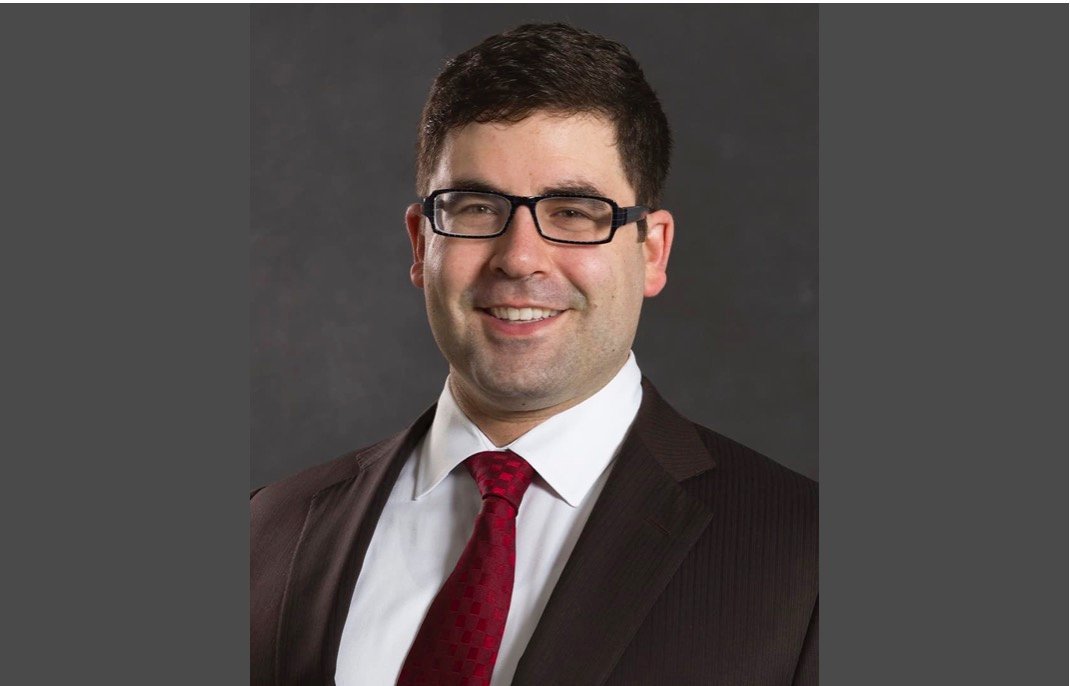
Initially, there was a consensus to appoint former City Controller Ron Galperin and data expert Daniel Garrie as joint monitors. However, the Los Angeles City Council delayed this approval multiple times in October. Eventually, the Alliance and the City agreed on Mr. Garrie as the sole monitor, with City Controller Kenneth Mejia designated as the primary contact for the City.
It’s important to note that while Mejia will facilitate information access, he is not responsible for deciding what data is required or how it will be utilized. According to a memo from Judge Carter’s Special Master Michele Martinez, Mejia is expected to assist Garrie as he collects and analyzes data.
The Special Master’s memo highlights the critical responsibilities of the monitor. This includes conducting real-time data audits, verifying the integrity of information, and ensuring that reported figures are substantiated by evidence. The document emphasizes that the monitor’s role is neither ceremonial nor advisory.
However, the memo also underscores ongoing resistance from the City regarding transparency in its homelessness programs. It reported that the City failed to deliver the initial data required by October 15, stating, "This Quarterly Report does not include information regarding the number of persons experiencing homelessness served by the current intervention opportunities." The absence of this data raises questions about the City’s previous claims of success in addressing homelessness.
Adding to the skepticism, the City recently appealed Judge Carter’s June ruling while opting not to disclose information that could substantiate its assertions of program success. The law firm Gibson, Dunn & Crutcher, representing the City, has already accrued a $6 million bill defending against requests for comprehensive performance data, with costs expected to rise as the legal proceedings continue.
As Mr. Garrie embarks on his role as the court-appointed monitor, he faces significant challenges. Even before beginning his work, the City failed to produce essential data mandated by the court. Compounding this issue is the presence of a Controller with a political agenda and a history of publicity efforts, which may influence the flow of information.
The decision by the City Council to approve a costly contract with outside counsel signals a preference for legal maneuvering over accountability in managing the $1 billion homelessness budget. Some Council members, such as Councilmember Rodriguez, express frustration with the lack of transparency, stating, “It appears the court’s frustration is no different than mine."
Mayor Bass and a majority of the City Council have maintained their support for the prevailing strategies despite the mounting evidence of systemic issues. As Mr. Garrie identifies data weaknesses and makes recommendations, it remains uncertain whether these will be acted upon. The onus now lies with Judge Carter to navigate the next steps—whether to appoint a receiver to oversee reforms or to compel compliance with Garrie’s findings.
The mandate for a federal monitor illustrates the deep-seated challenges the City faces in its homelessness response. As Mr. Garrie takes on this critical role, the implications for Los Angeles’ approach to homelessness are yet to unfold.