
Frederik Pleitgen Shares His Experiences Reporting in Iran During U.S.-Israeli Bombardment: A Week of Tension and Insight
CNN’s Frederik Pleitgen Reports from Iran Amid Escalating Strikes
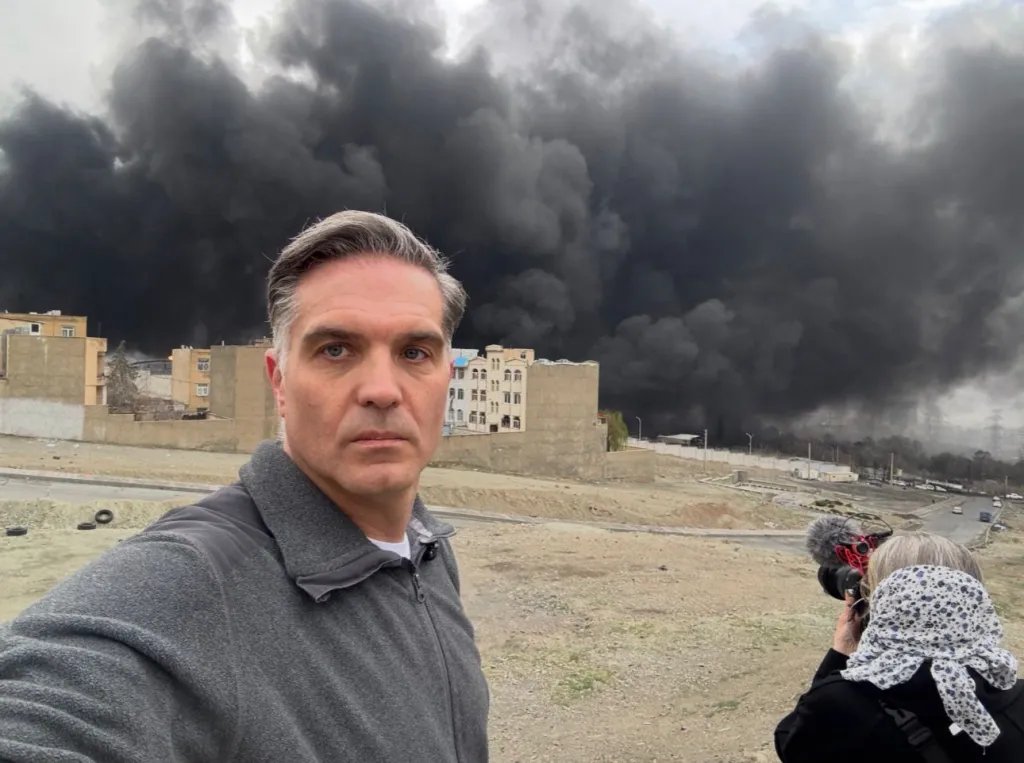
Frederik Pleitgen of CNN recently concluded a week-long assignment inside Iran, marking the first time an American network has reported from the country since the onset of U.S. and Israeli airstrikes. Accompanied by photojournalist and producer Claudia Otto, Pleitgen navigated through Tehran, documenting the impacts of ongoing military actions, including devastation in residential areas and pro-government demonstrations.
Despite the turmoil, Pleitgen noted glimpses of normalcy with some shops and restaurants operating. The duo lodged in a familiar apartment hotel, but heightened security concerns necessitated them to scout for nearby government buildings as potential targets.
Pleitgen observed a shift in the public’s mood, describing a more hostile environment compared to previous visits. “It wasn’t outright violence, but you could tell that these were very emotional [people], very angry,” he stated.
When asked about the challenge of conveying the realities of Tehran, Pleitgen highlighted the pervasive sense of danger. “You don’t ever have a moment when you feel totally safe,” he said, emphasizing the constant risk posed by airstrikes. He contrasted this visit with his previous experience during the 12-Day War, noting that while fewer people evacuated this time, the intensity and frequency of bombings had increased significantly. “The government feels they’re in an existential fight for their survival,” he remarked, pointing to the heightened presence of checkpoints and security forces.
Discussing operational logistics, Pleitgen revealed that their reporting was conducted with permission from the Iranian government, although CNN maintained full editorial control over the content produced. “We approached sensitive locations only after consulting the culture ministry,” he explained.
The drive from the Armenian border to Tehran was arduous, taking around 21 hours while navigating potential airstrike zones. Pleitgen recounted a close call when filming the aftermath of a previous airstrike in eastern Tehran. As they documented the scene, anti-aircraft fire erupted and jets flew overhead, prompting them to flee in response to an explosion nearby.
Despite the ongoing conflict, Pleitgen noted that some everyday life persisted in Tehran. He observed a mix of business activity and public gatherings, suggesting that while dissent exists, many residents appear cautious about expressing their views openly. “People are living in fear and want this to end one way or the other,” he added.
In terms of information access, he explained that while the Iranian government has nationalized the internet, residents still find ways to communicate and access news. Some even use Starlink technology, demonstrating a resilience in the face of censorship.
As for the future, Pleitgen suggested that the Iranian leadership feels increasingly secure. “They believe they have leverage in this conflict,” he noted, implying that the power structure is aiming to project stability despite the challenges they face. He concluded, “The leaders of Iran feel they are in a lot better position now than they were before.”