
Fashion Takes a Nostalgic Turn with X-Files Stars and Janet Jackson’s Hits from the ’90s
Paris
—
EDITOR’S NOTE: CNN Style is one of the official media partners of Paris Fashion Week. See all coverage here.
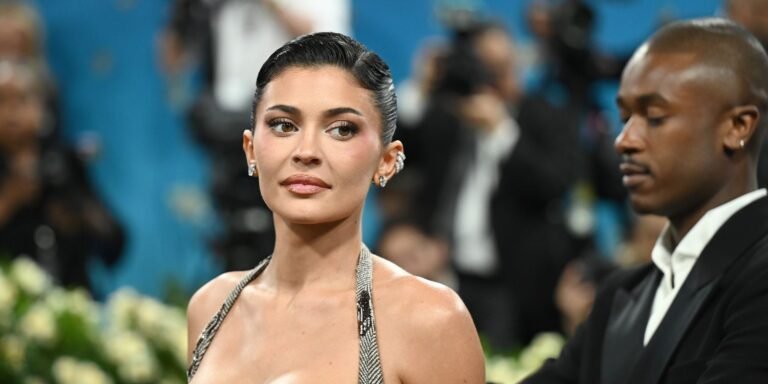
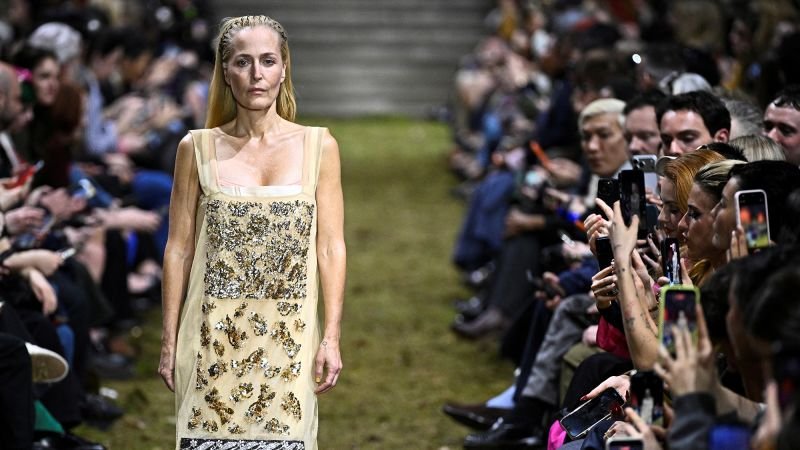
Paris Fashion Week came to a close this week, showcasing a blend of nostalgia and modernity. Designs included simple black dresses and coats reminiscent of Carolyn Bessette Kennedy’s style, alongside models who embraced theatricality with their runway presence. Among the highlights were Gen-X icons, such as actress Chloe Sevigny and supermodel Kristen McMenamy, both of whom graced the Miu Miu runway, along with a special appearance by Gillian Anderson, known for her role in the 1990s television series “X-Files.”
This year’s event felt like a throwback to Paris Fashion Week in 1998—reimagined for 2026.
While recent seasons leaned heavily on early 2000s aesthetics—think Miu Miu’s low-rise waistlines and Abercrombie’s prep—the current trend favors a resurgence of 1990s styles. Fashion designers are increasingly drawing inspiration from what many refer to as “The Last Great Decade,” a time before smartphones transformed daily life. This revival features projects like “Love Story,” which dramatizes the romance of John F. Kennedy Jr. and Carolyn Bessette, and highlights celebrity appearances, such as Gwyneth Paltrow in the Oscar-nominated film “Marty Supreme.” Meanwhile, discussions about “Sex and the City” continue to resonate.
Rather than simply replicating 1990s silhouettes like tank tops and pencil skirts, designers sought to encapsulate the essence of the decade on their runways. This era was characterized by a focus on runway presentations rather than the celebrity and influencer hype outside, emphasizing creativity over the pursuit of viral trends.
At Junya Watanabe, models embodied a sense of performance that recalls vintage couture shows from the 1990s, wearing dresses crafted from athletic materials and the flashy leopard and faux fur favored by Limited Too shoppers.
Other designers created packed venues reminiscent of the electric atmosphere in which attendees jostled for the best views—not for the perfect social media shot, but to experience exhilaration firsthand. Pieter Mulier’s final show as the designer for Alaïa featured guests seated exceptionally close to the garments, allowing them to appreciate the texture of the calf hair used in sumptuous coats. Schiaparelli’s Daniel Roseberry elevated the runway experience with a glossy platform and a soundtrack that included Janet Jackson’s hits. “I wanted to do a show,” he explained, “evocative of an era of glamour that was not referencing couture.”
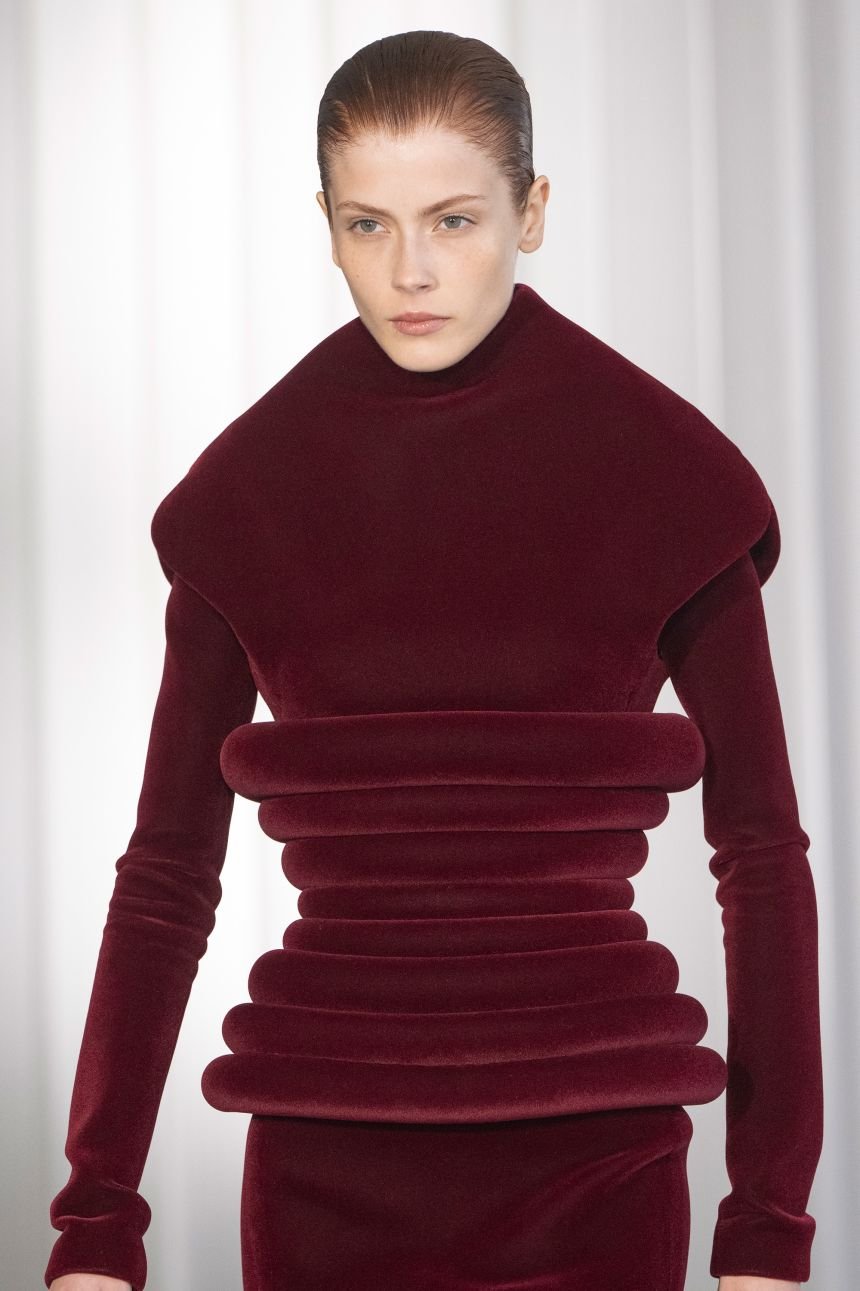
The muses of these shows felt gloriously out of reach, creating a stark contrast to many designers lamenting the need to dress “real” women while delivering unremarkable collections. “She is that bitch who is living that life,” Roseberry commented about the Schiaparelli customer. “She doesn’t want boring. She doesn’t want classic.”
The 1990s fostered a climate where women anticipated boldness and variety in their designs, prompting many in fashion today to channel that era’s spirit. The provocative brand Matières Fécales harkens back to the days of subversion with designs that challenge the status quo, including painted faces and striking accessories like oversized pearl ball gags. Jean Paul Gaultier’s second collection designed by Duran Lantink embraces the provocative essence of the brand, with looks that encapsulate the daring style popularized by Gaultier himself, showcased as he proudly occupied a front-row seat.
Against this backdrop of 1990s theatricality, the week’s most notable gesture was the restriction on phones. Yohji Yamamoto and The Row have consistently urged attendees to embrace the moment without digital distractions. Yamamoto’s invitation to the audience was to “let the moment, the movement and the clothing speak to you” as they are meant to be experienced rather than captured. The Row’s request initially appeared as an elitist effort to deter the TikTok generation, yet it serves to amplify the designers’ vision, inviting introspection over fleeting impressions.
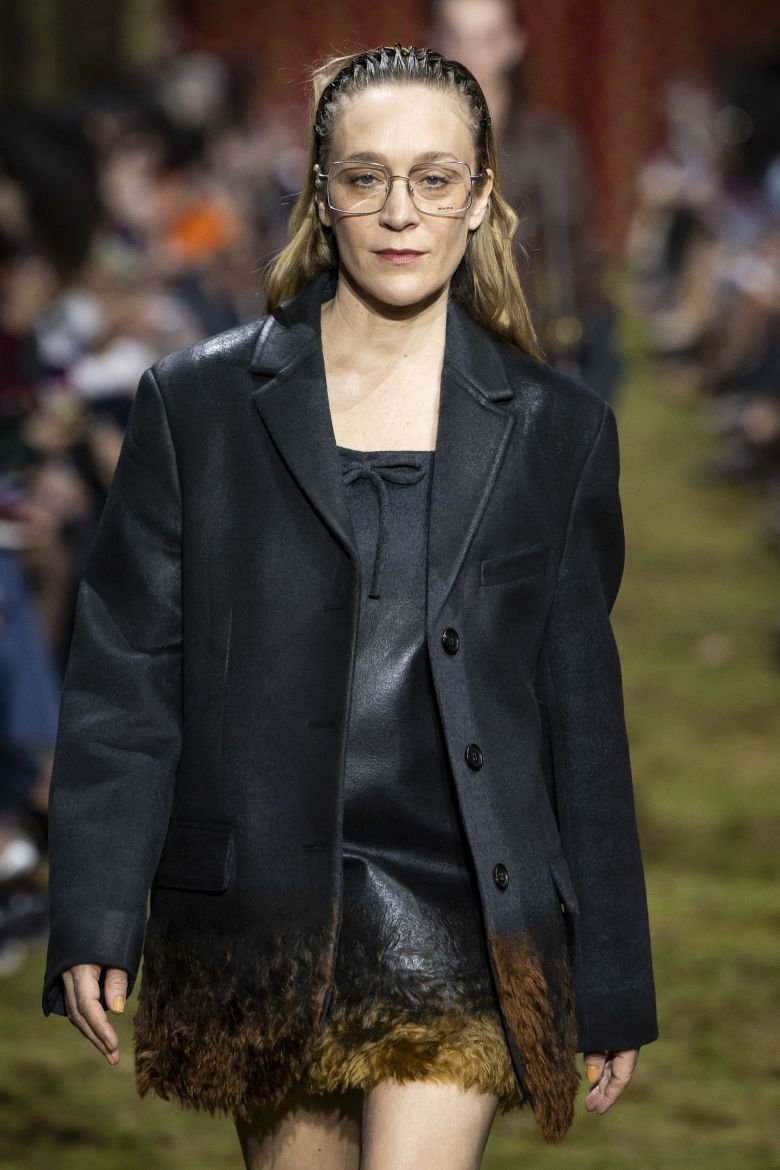
What do these nostalgic revivals signify? Closing the week, Miuccia Prada’s Miu Miu show offered a poignant answer. In addition to featuring Sevigny, one of Miu Miu’s original muses, Prada presented a minimalist collection that diverged from the extravagant styles of Bessette Kennedy. Instead, it reflected a straightforward, pragmatic approach that characterized the 1990s as optimism clashed with a disdain for excess. “It was the idea that a little is enough,” Prada articulated. “If you are not adorned, you are enough.”